Updated July 23, 2025 08:09AM
Now Is the Best Time to See the Perseid Meteor Shower. Here's How.
It's the top shooting-star show of the year, and in 2025, we have the rare chance to view four meteor showers in one night
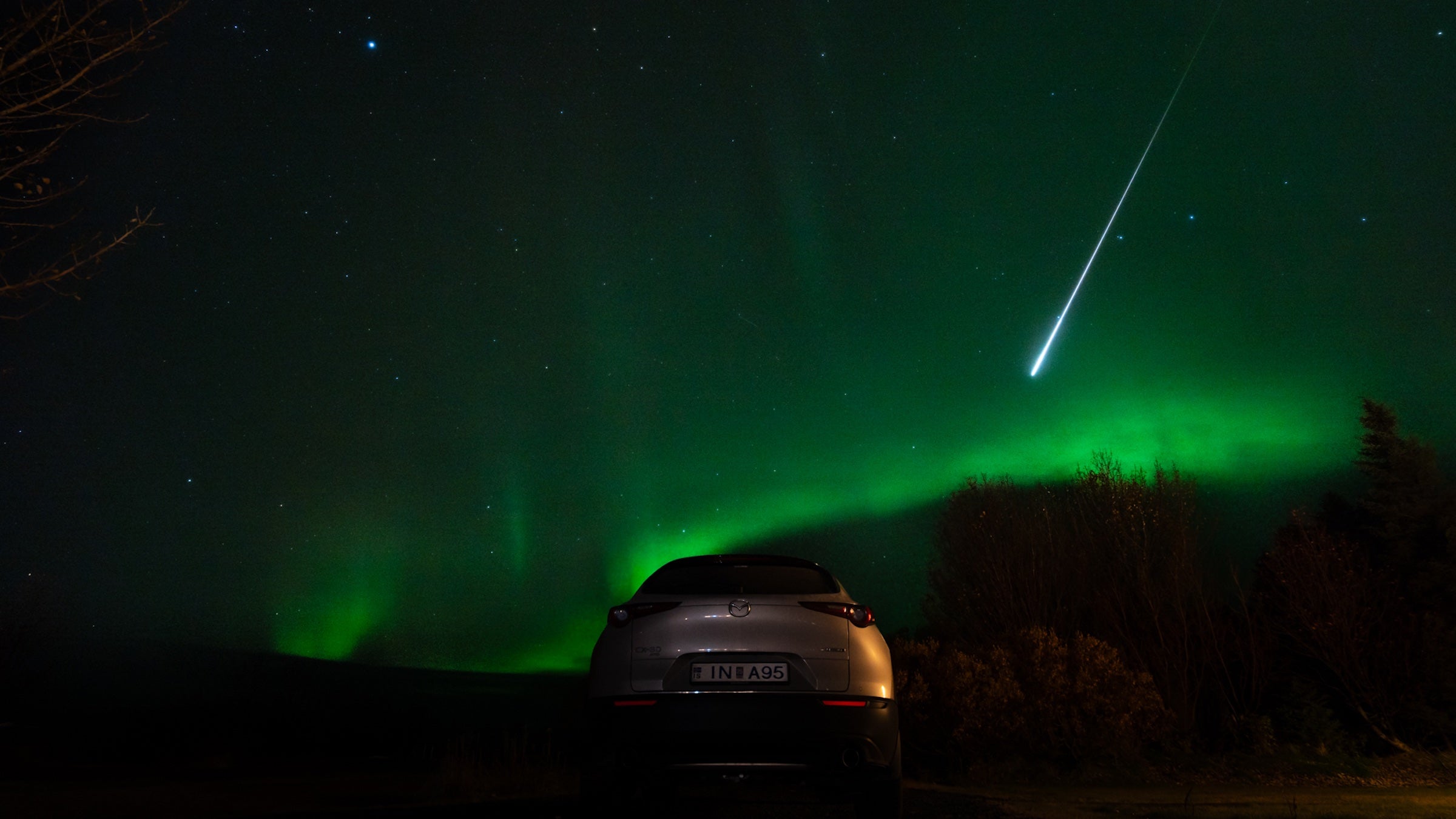
Fireball in Iceland (Photo: Stephanie Vermillion)
There’s a reason stargazers love the Perseids. The meteor shower can spark up to 100 shooting stars per hour at peak during prime viewing years, with numerous sightings of eye-popping fireballs—the name for especially vivid and colorful meteors that can reach the same luminosity as Venus.
The Perseids, which peak in August, do come with a slight hitch: the 86-percent illuminated moon will hinder the shower’s view. But that’s no reason to skip it. Instead, rethink your Perseid-viewing plan.
Read on for your 2025 strategy to catch the buzzed-about Perseids, along with other interstellar marvels that will join them, from concurrent meteor showers to the year’s best views of the Milky Way.
ADVERTISEMENT
What’s the Best Time to Watch the Perseid Meteor Shower in 2025?
This year’s Perseids runs from July 17 to August 23 and will peak overnight from August 12 to 13. Typically, it’s best to view a meteor shower during the stretch of highest activity, but that’s not the case this year. The meteor shower crescendos just three days after the full moon. Since lunar light pollution will hide the milder meteors, only the brightest shooting stars and fireballs will be visible.
That’s why many backyard astronomers are switching gears and watching the Perseids off-peak, in the nights and weeks leading up to that August 12 to 13 timeframe. July 29 into 30 is particularly promising, as the moon is only a quarter full, it sets around midnight (right when the Perseids action kicks into gear), and this coincides with other active meteor showers.
Improve Your Perseids View with Other Meteor Showers
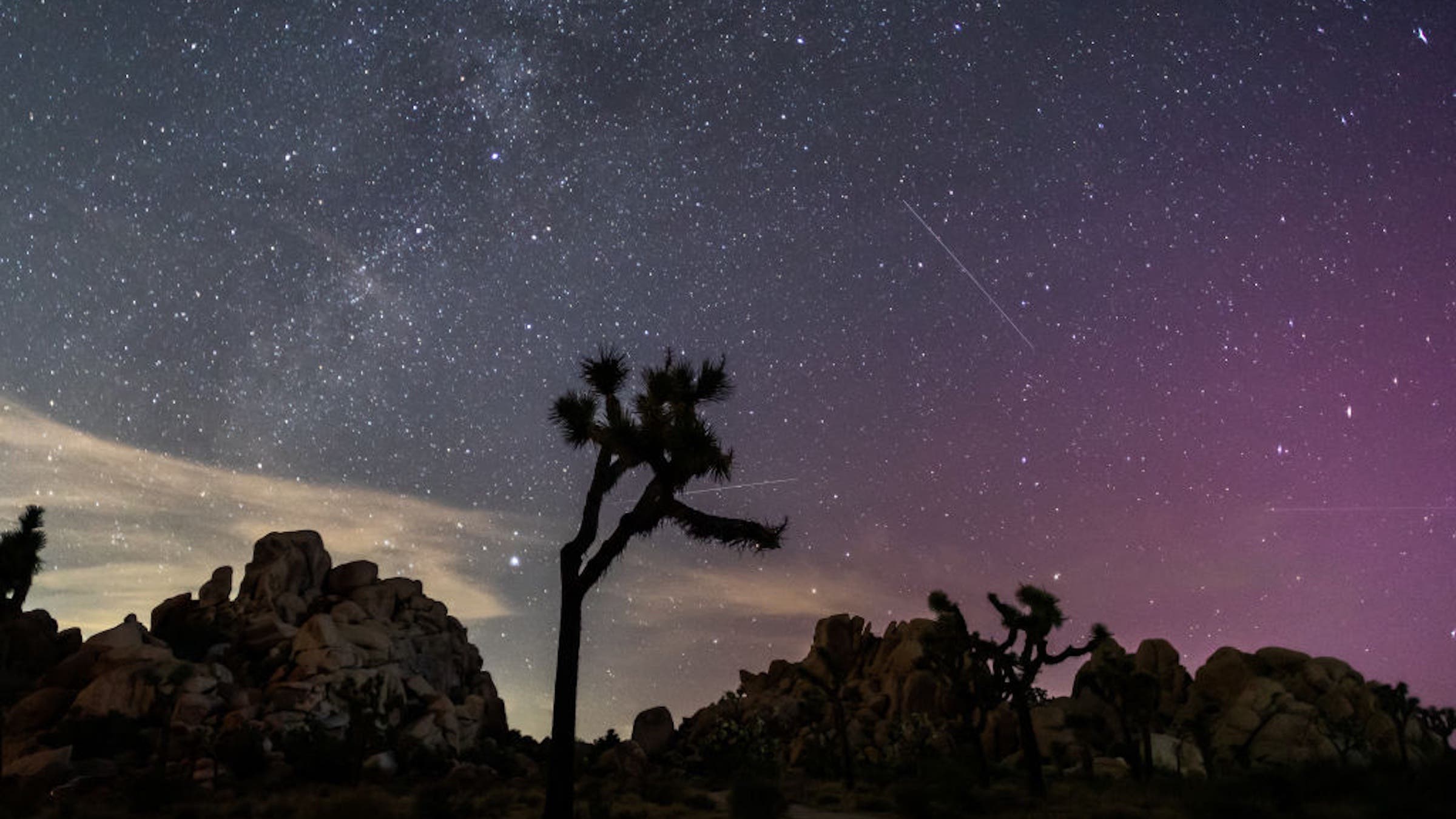
While the Perseids won’t produce a flurry of 50 to 100 shooting stars in late July and early August, the timing does provide the chance to watch for four meteor showers in one night, including two that will peak from July 29 to 30.
ADVERTISEMENT
Here are the four coinciding summer meteor showers, including when to watch, what to look for, and where you’ll see them in the sky (also known as the radiant). I recommend downloading a stargazing app for night-sky navigation.
- Alpha Capricornids: July 3 to August 15
- Peak: July 29 to 30
- Look near: Capricornus constellation low in the southeast sky
- You’ll see: A mild shower with only around five meteors per hour during peak, but the potential for some dramatic fireballs.
- Southern Delta Aquariids: July 18 to August 12
- Peak: July 29 to 30
- Look near: Aquarius constellation low in the southern sky
- You’ll see: Around seven meteors per hour under dark skies. To note: This one’s best viewed in the southern hemisphere and the southern part of the northern hemisphere.
- Perseids: July 17 to August 23
- Peak: Aug 12 to 13
- Look near: Perseus constellation in the northeast sky
- You’ll see: Up to 100 meteors per hour under pristine conditions, although fewer are expected in 2025 due to the bright moon. Watch for fireballs, too.
- Eta Eridanids: July 31 to Aug 19
- Peak: Aug 7 to 8
- Look near: Eridanus constellation low in the southeast sky
- You’ll see: A minor shower with about three fast meteors per hour at peak.
How to Watch a Meteor Shower: Tips and Tricks
Admiring a meteor shower requires a bit of planning, from choosing a strategic viewpoint to pinpointing red flags to avoid.
1. Avoid light pollution.
Just like with aurora hunting, you’ll want to avoid light pollution when chasing meteor showers. The show gets most active and brilliant under inky skies; that’s why I’m planning to watch the sky confetti from an inky lake in New York’s Adirondacks, followed by Quebec’s Mont-Mégantic, the first DarkSky Reserve in the world. Try a resource like this light pollution map to find a dark-sky viewing place close to home.
2. Shield the moon.
If you do choose to pursue the Perseids at peak, use something—your hand, a folder, a blanket—to shield your eyes from the moon. It won’t fix the situation, but it will help you retain your night vision.
ADVERTISEMENT
3. Use a red-light flashlight.
Speaking of night vision, it’s important to dim your phone (or use this red-screen trick) and either wrap your bright-white flashlight in red cellophane or invest in a red-light lamp. Red light is easier on our eyes at night; after exposure to white beams, or a full-glow smartphone screen, our eyes require around 30 minutes to readjust to the dark.
4. Look for wide-open vistas.
Since the shooting stars could appear all over the sky, it’s wise to choose a lookout point with minimal overhead obstructions. Instead of a thick forest, for example, scout for a hilltop, desert, or field with clear sky views.
5. Consider air quality.
Unfortunately, wildfires have wreaked havoc on the Southwest’s national parks this summer. The correlating smoke is bad for your health, and its haze can obscure your night-sky views. Keep an eye on air quality updates and consider another viewpoint if thick wildfire smoke is in the forecast.
ADVERTISEMENT
Where to See the Perseids
In most cases, like with the Perseids, the best viewing stretches from around midnight until dawn. That means you’ll be out and about into the wee hours of the morning—unless you strategize your sleep. I aim for campgrounds, glamping sites, and even low-light hotels located within an area with minimal light pollution.
And there are plenty of prime meteor-shower accommodations still available (as of publication) throughout North America, whether you’re heading out for the July 29 to 30 timing, the August 12 to 13 Perseids peak, or both.
1. ULUM Moab, Utah
In late 2023, light pollution authority DarkSky International launched a new program to certify accommodations that protect their pristine nightscapes. ULUM Moab, a glamping getaway set 40 miles south of Arches National Park, is one of the organization’s first DarkSky-certified lodges. This stamp-of-approval means you can catch the night sky marvels, from the Milky Way to the dimmer Perseids, right from camp. Or, watch the wonder nearby at Arches or Canyonlands National Parks. Suites run from $549 per night; for a less-expensive option, try Under Canvas Moab (from $199), another DarkSky-certified glamping location in Moab.
ADVERTISEMENT
2. Hébergement aux Cinq Sens, Quebec
In 2007, Quebec’s Mont-Mégantic National Park became the world’s first International Dark Sky Reserve, and it’s become one of Canada’s best-known astronomy spots. Hébergement aux Cinq Sens (from $98), a collection of tiny homes and yurts, lies in the heart of this pine-dotted park, which offers dozens of hiking trails for daytime adventure. It’s a great Perseids basecamp, with wide-open gathering spaces from the hotel grounds and quick access to the park’s sky-watching hub, the ASTROLab, just 16 miles away.
3. Hell Creek Campground, Montana
Nabbing a campsite in Glacier National Park may be trying, but out east, Montana’s remote and inky-sky campground options abound. Try Hell Creek Campground (from $37.50 per night), located in a scenic recreational area along angling haven Fort Peck Lake. The property offers dozens of campsites with virtually zero light pollution and wide-open sky views above the still water and distant peaks.
4. Bruneau Dunes State Park, Idaho
Camp in southern Idaho’s Bruneau Dunes State Park, a DarkSky-certified destination with an onsite public observatory and North America’s tallest single-structured sand dune. The park has two main campgrounds with unobstructed celestial views: Broken Wheel and Eagle Cove (from $25). Both have plenty of availability for the mid-August Perseids peak, with the chance to enjoy shooting stars by night and sandboarding under the sun.
ADVERTISEMENT
5. Buffalo National River, Arkansas
The Buffalo National River draws paddlers with 135 scenic miles of undammed water. Come dusk, this DarkSky Park is also a favorite among astronomy enthusiasts, with pristine nightscapes and plenty of camping options to admire the heavens. Thick oak and hickory forests do make it tough to watch for meteors in some overnight spots, but Tyler Bend Campground (from $20) is a smart option with relatively minimal forest cover and plenty of summer availability.
6. Beaver Island Retreat, Michigan
Last year, State Wildlife Research Area on Beaver Island became Michigan’s first International Dark Sky Sanctuary, and the Lake Michigan getaway has a host of potential sky sights on offer. Pass your pre-shower hours with birding, paddling, or lake snorkeling. When it’s time to catch the show, stay overnight just north of the sanctuary, at glamping hub Beaver Island Retreats (from $249), where guests have ample space to spot shooting stars, fireballs, and, on lucky nights, the northern lights.
