Published March 18, 2026 06:34PM
Sponsor Content: Ford Bronco
Teton County Is a Brutal Place for Backcountry Rescue. Volunteers Use a Ford Bronco® to Get It Done.
Steep slopes, harsh weather, and unforgiving terrain make Teton County one of the toughest places in the country to get rescued. But it just got a little easier thanks to this first-response vehicle.
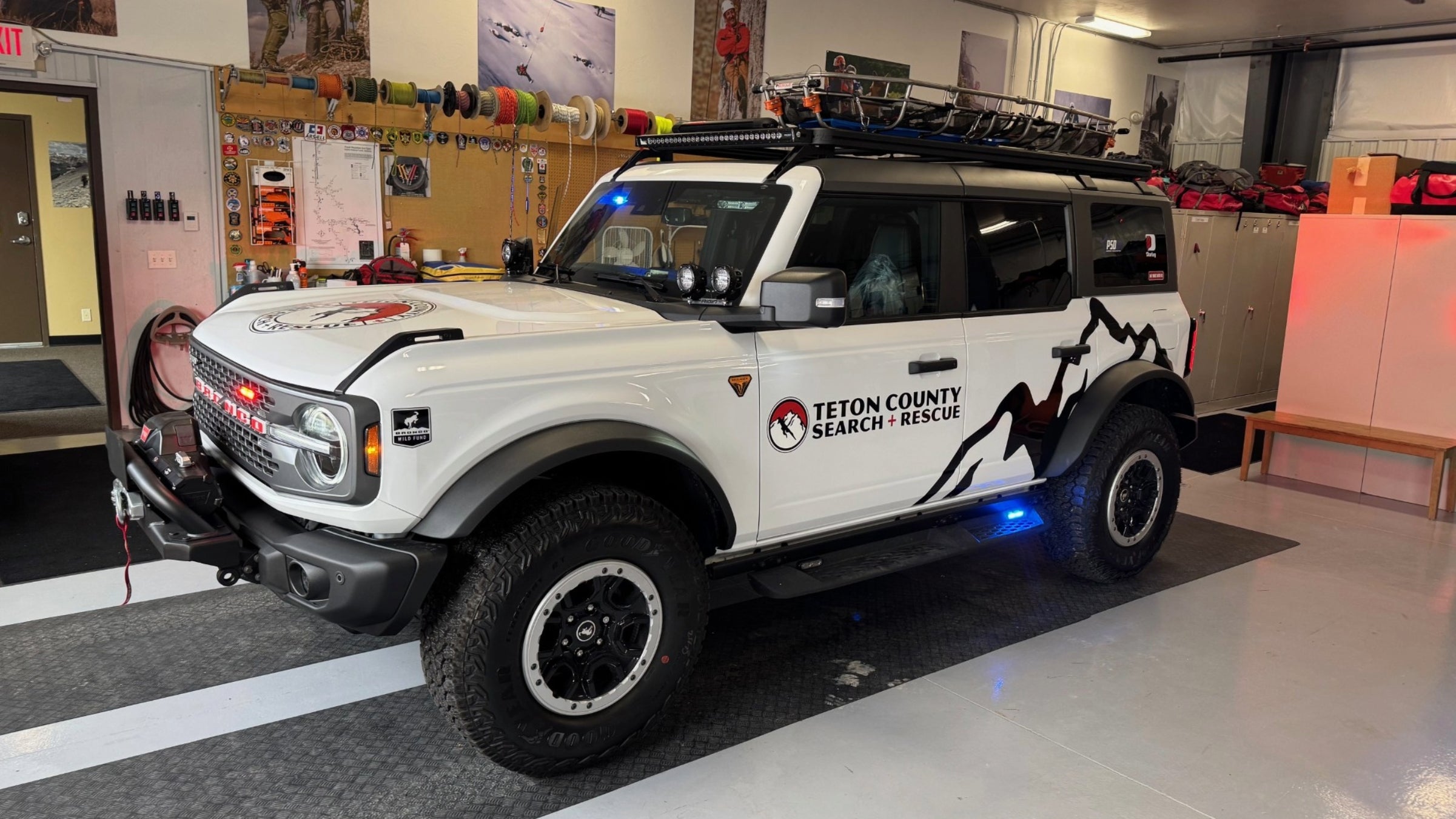
Teton County Search and Rescue's new Bronco®. (Photo: Ford)
Teton County was already one of the country’s most unforgiving places for search and rescue. The spectacular alpine terrain comes with sheer cliffs, gaping ravines, and avalanche-prone slopes. But recently, a hard job has gotten even harder. That’s because the number of backcountry accidents is skyrocketing while budgets are shrinking—leaving rescuers without the tools they need to reach recreationists in need.
“We’ve seen a huge uptick in rescues over the last 20 years, especially after Covid,” Teton County Sheriff Matt Carr says. During the pandemic, new residents and visitors alike flocked to Jackson, desperate for fresh air and easy recreation access. The result? A lot more emergencies.
“There was a huge spike, and our numbers are still above our pre-Covid levels,” Carr says. “It comes at a time when county budgets are getting tighter. Everyone in Wyoming is feeling it. As our revenue goes down and our costs go up, it’s getting harder to be able to provide these services.”
By “services,” he means life-saving rescues. For a hiker lost in the off-grid wilds of the Gros Ventre mountains or a climber with a traumatic brain injury, the county’s ability to respond could mean the difference between life and death.
To fill the gaps, Carr’s team increasingly relies on unpaid search and rescue volunteers. But manpower can only get you so far if you don’t have the tools to get folks where they need to go.
“A lot of the county is really remote,” Carr says. Think: dirt roads, singletrack trails, and rutted 4×4 tracks—routes that most volunteers’ personal vehicles aren’t equipped to handle. On top of that, cell service is rare, and the mountainous terrain interferes with radio signals. That makes large-scale rescue operations a nightmare to manage.
These were the problems Carr was juggling when Ford called in the fall of 2025.
“They reached out to us and asked if we wanted to partner up,” Carr says. It wasn’t the first time a sponsor had approached Teton County Search and Rescue (TCSAR). After all, the team’s extreme work environment basically makes them celebrities in the rescue world. TCSAR has turned down plenty of sponsor requests over the years. But this time, things felt different.
“It felt really genuine,” Carr says. “Ford’s CEO, Jim Farley, had a real connection with search and rescue and genuinely wanted to help our team. There weren’t a lot of deliverables on our end, either—it was truly a gift, and it seemed to come from the heart.”
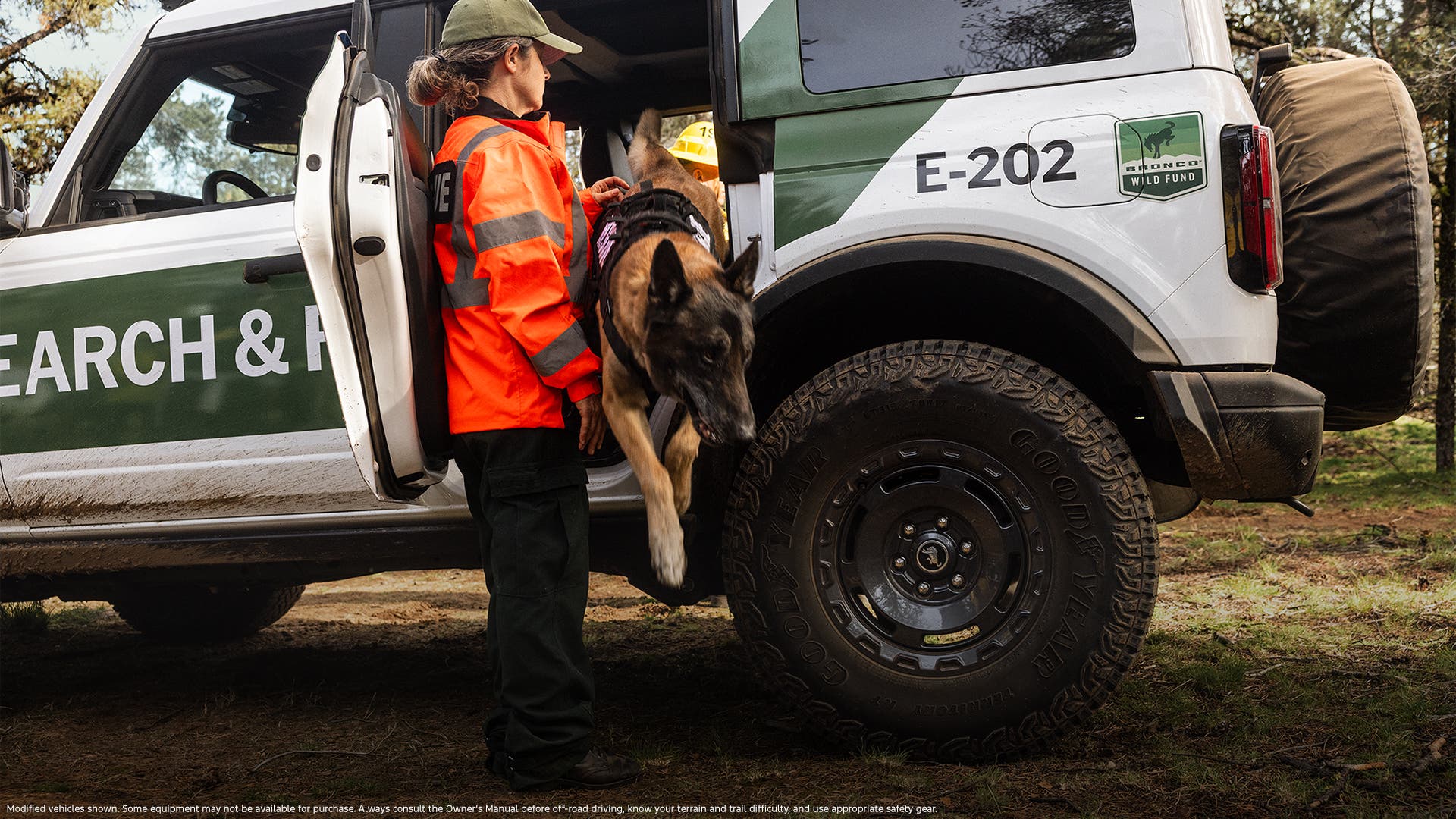
The donation comes from the Bronco® Answer the Call grant program. Ford launched the program after Farley witnessed just how effective a Bronco® could be in helping search and rescue teams—many of them staffed by volunteers—reach victims in need. SAR teams were able to apply for their own purpose-built Search & Rescue Bronco® Badlands® through the National Association for Search and Rescue, Ford’s partner in making Farley’s vision a reality.
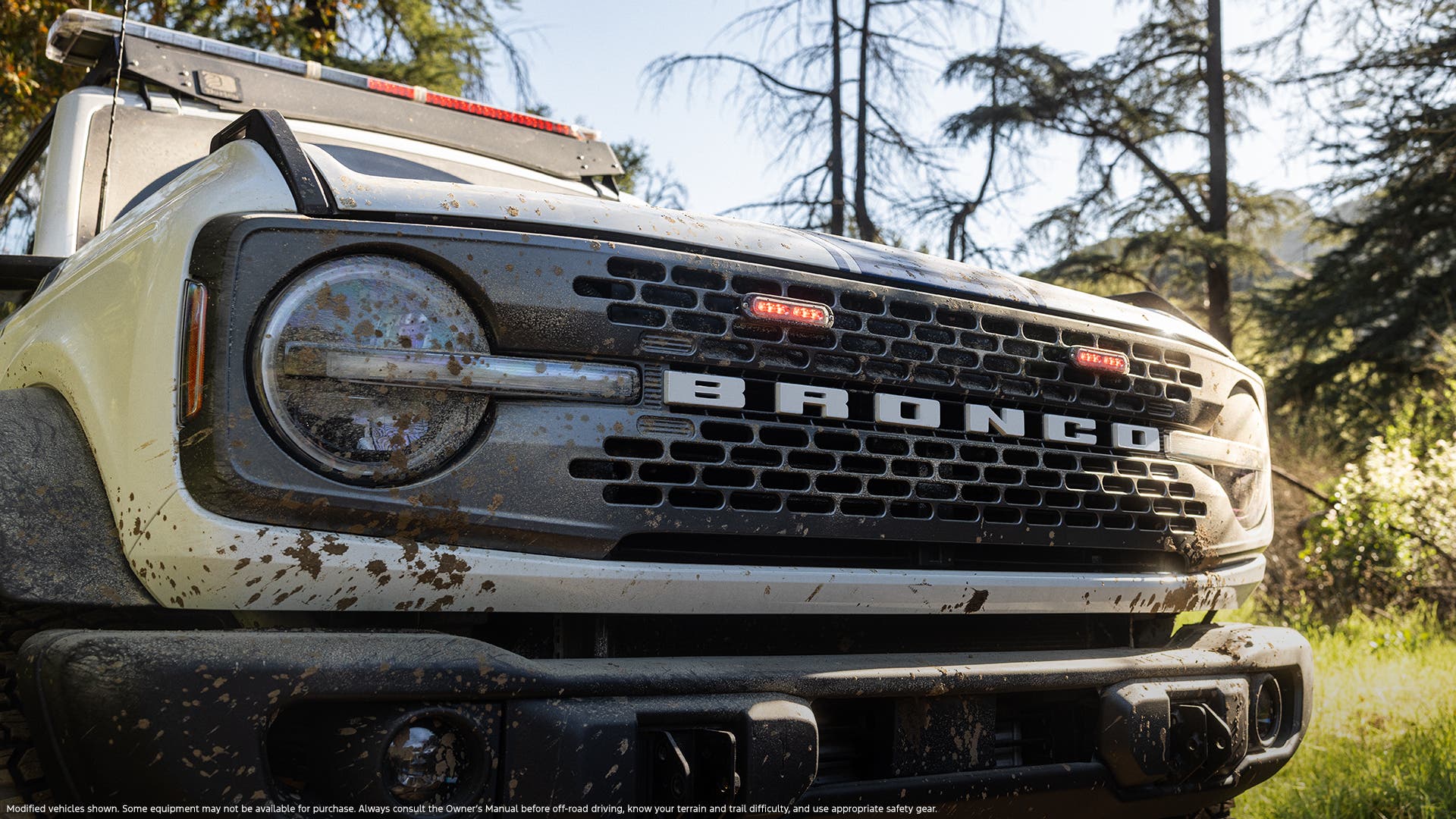
Here’s what that looked like for TCSAR. Ford worked with Carr and his team to customize a Bronco® to their needs, adding a roof mount for a rescue litter, mirror-mounted off-road lights, a massive auxiliary battery, and Starlink connectivity. The result is a nimble, backcountry-capable vehicle that also functions as a mobile command center.
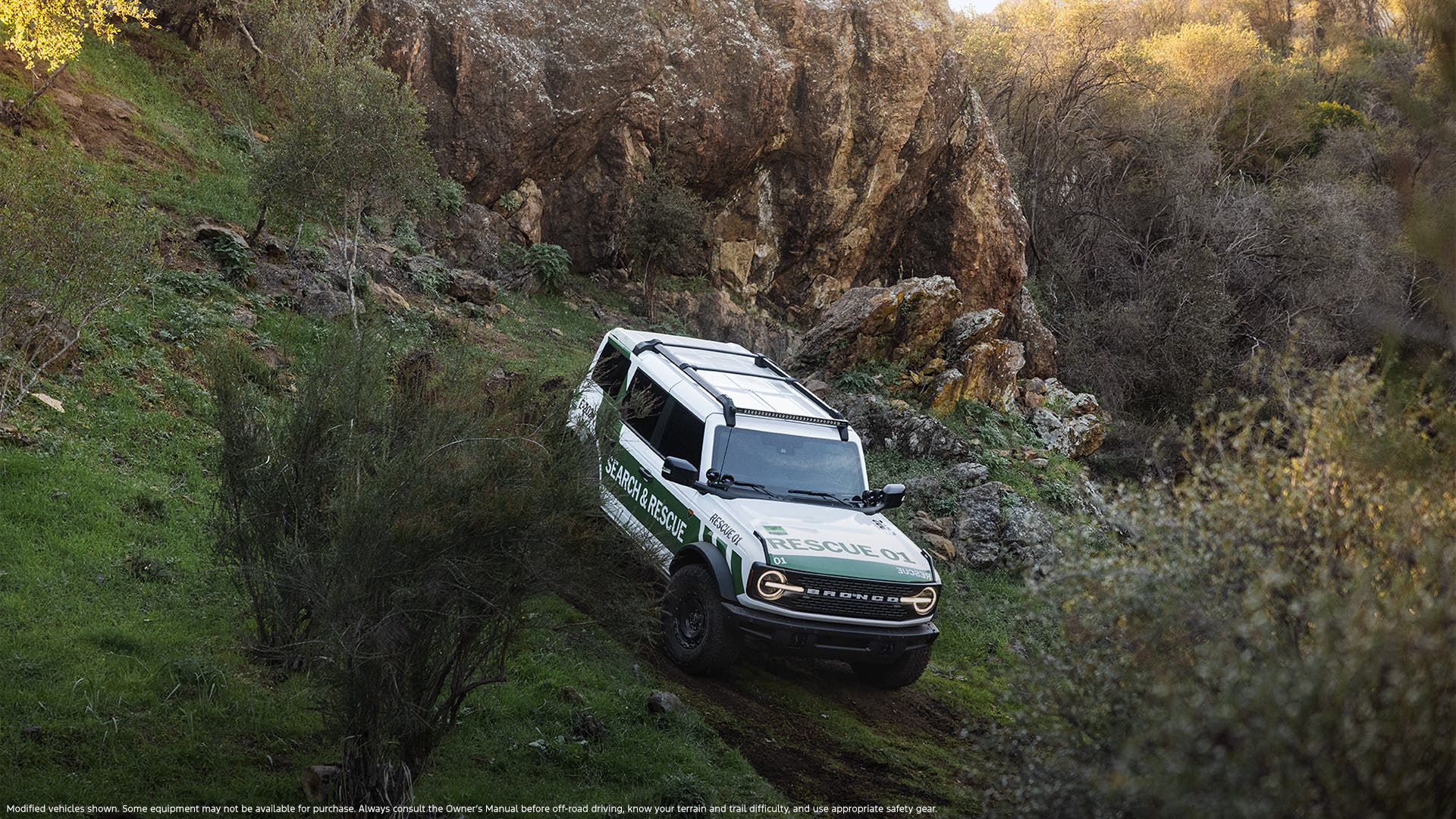
The new Bronco® arrived just a few months after that first call. It filled a critical gap in TCSAR’s rescue operations, and not just on the communications side. While the team often relies on helicopters to reach remote rescue sites, that approach becomes impossible during harsh Teton storm cycles. Now, rescuers finally have a way to access backcountry zones when bad weather grounds the choppers.
“The Bronco® is supercapable, and it has all the standard 4×4 features we need to get into these remote places,” Carr says. “The winch is also huge for us, whether we’re dragging trees out of the way, pulling swiftwater rescuers up a steep embankment, or belaying folks into a river bottom.”
Carr expects the new Bronco® to get a ton of use as soon as the snow melts and the summer busy season rolls around. With a purpose-built vehicle on standby, TCSAR will be able to respond to more rescues more quickly. They’ll be able to direct teams more efficiently, even in the deep backcountry, getting patients to safety faster and freeing up man hours to use elsewhere. In short, the Bronco® will allow the TCSAR team to maintain their stellar response record—even with fewer resources.
“We’re looking forward to using the vehicle to help keep our community safe,” Carr says. “It really couldn’t have come at a better time.”
Always consult the Owner’s Manual before off-road driving, know your terrain and trail difficulty, and use appropriate safety gear. Learn more at ford.com.
