Published March 28, 2019 12:39PM
How to Become a More Powerful Runner
Weight-lifting routines you should add to your training to get fast, and some to avoid.
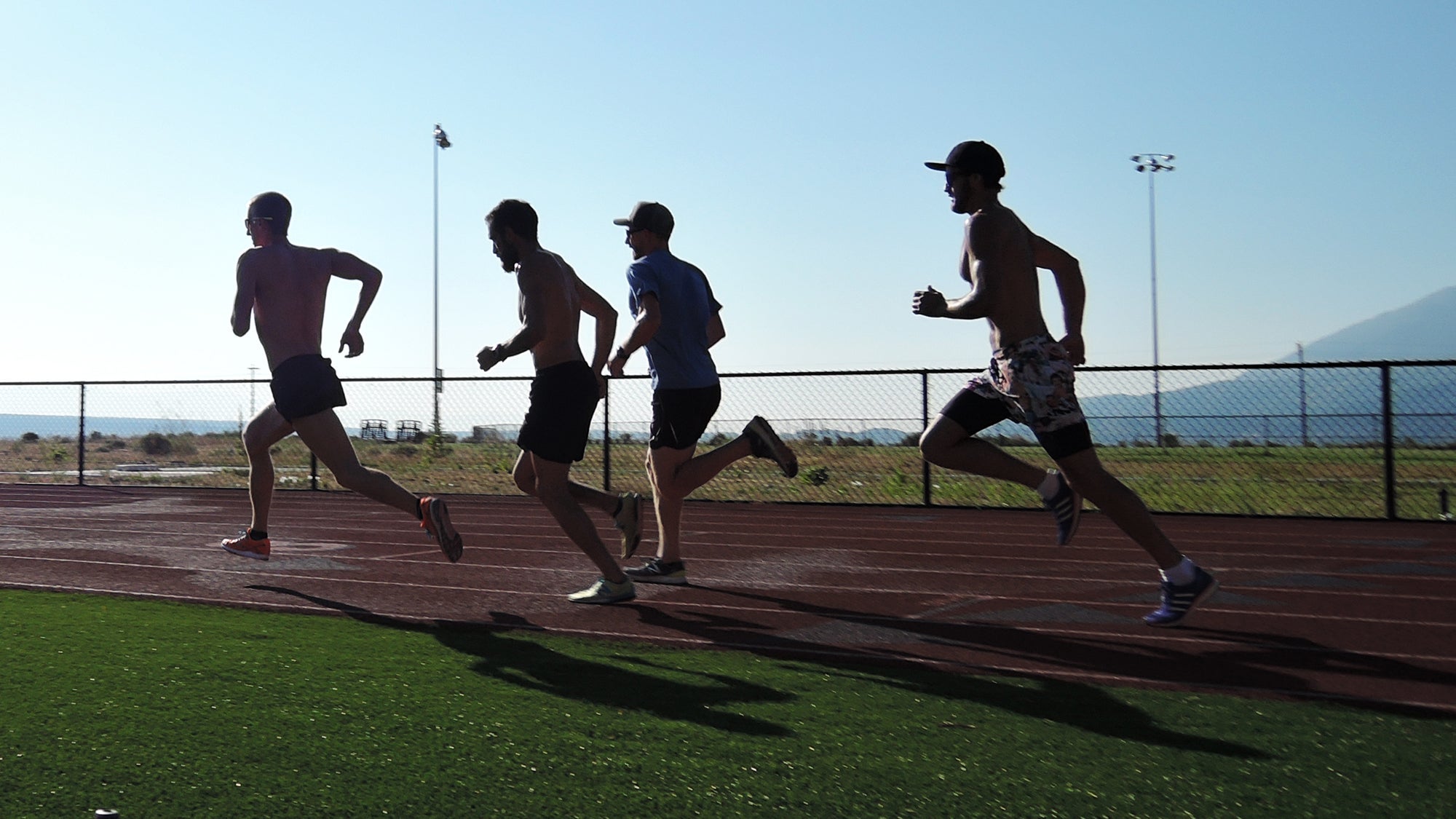
photo: 101 Degrees West
If you want your strength work to improve your speed, focus on power, not just stability, and avoid training that builds bulk or only enhances endurance.
Successful runners have long recognized that strength training is an integral piece of the training puzzle. In fact, as a coach I don’t like to describe it as “cross-training.” Strength work is just part of how runners train.
But most runners, even those bought-in to strength work, aren’t strength training for power. Instead, the focus is mostly on injury resilience because the type of strength work that runners engage in most often is ideal for stability. Many of the routines you’ll find on this site, such as the Gauntlet Plank Workout, are stability focused—and fantastic for preventing injuries.
Once you’re comfortable with bodyweight routines, however, the next step is to add some complexity with weightlifting in the gym. Just as you go faster and add more miles or interval reps as you get fitter throughout a training season, weightlifting needs progression in difficulty and complexity to keep advancing your strength and power. Plus, seeing progress in your skill and achieving new marks keeps it more interesting.
Adding explosive workouts that focus on power is a natural progression. Running fast, is, after all, an explosive activity, and you need the ability to contract muscles quickly. If you’re training for races at the half marathon distance or shorter, you’ll experience even more direct performance benefits since power is more important in the shorter distances.
ADVERTISEMENT
Why Focus on Power?
Simply put, focusing on power will make you a faster runner.
Your race performances will improve for two main reasons:
- You’ll run more economically (efficiently) and waste less energy at the same running speeds.
- Your muscle power—the ability to generate force quickly—will increase, making you faster and better able to kick at the end of a race.
Strength training has been exhaustively studied by scientists around the world and the conclusions are conclusive: Strength training improves your performance (as well as treat and prevent injuries).
ADVERTISEMENT
Consider this study that shows explosive strength training makes your 5k faster (by improved muscle power and running economy). Or this study that shows weight lifting improves speed, economy, and power.
Of course, you shouldn’t only rely on science. Study the training of elite distance runners and you’ll see that all of them incorporate power-building weightlifting sessions in the gym.
How to Focus on Power
The first step to becoming a more powerful runner is to spend some time in the gym lifting weights. While bodyweight strength training is great, runners have to take the next step to avoid a performance plateau.
Before pumping iron, however, note that runners don’t need many of the types of weight training others will be doing in the gym:
- Runners don’t need to lift low weight for high reps. That prioritizes endurance rather than power, and we get enough endurance while running.
- Runners don’t need long workouts 5-6 times per week. That is lifting for body-builders, and leads to hypertrophy or bulking up—we actually don’t want big muscles!
- Runners should avoid excessive exercises that focus on balance (like wobble-board and exercise ball exercises). These have their place in improving balance, which is important, but are counterproductive during power training because we can’t improve our force production on an unstable surface.
Instead, we should focus on lifting relatively heavy weight for a few times (2–10 reps). This ensures we’re lifting enough weight to get stronger and more powerful.
ADVERTISEMENT
Runners also don’t need to “max out” or lift to exhaustion regularly. A simple workout like 3 sets of 8 reps of the squat, deadlift, and push-press is an excellent power-building session. As long as the weight is challenging enough to make the final set very difficult, then it’s appropriate.
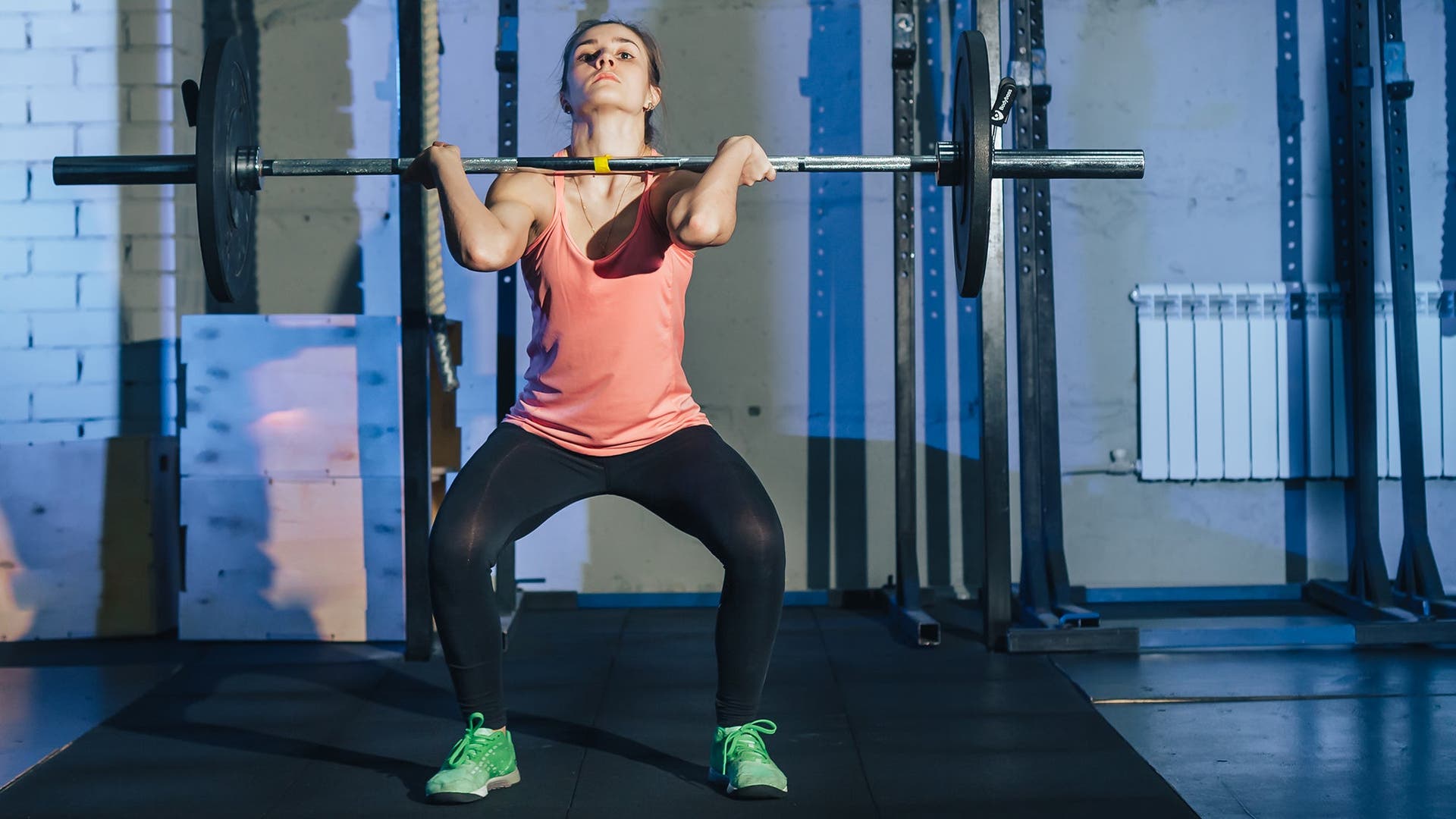
For even more power, Olympic exercises like the Power Clean, Jerk, or Snatch are also particularly helpful because they’re explosive movements; they’re designed to improve your ability to produce force. Keep the weight moderate and reps to the 2-8 range with full recovery.
A running-specific lifting program that prioritizes relatively heavy weight and then adds some explosive movements to prioritize poweris what I consider ideal strength training. It’s progressive, periodized, and runner-specific. The result is an injury resilient runner with a smooth, powerful stride who’s capable of faster racing and has a strong finishing kick.
