Published November 26, 2025 09:10AM
Originally posted onBackpacker
National Parks Will Hike Entry Fees by $100 Per Day for Some Visitors in 2026
Non-U.S. residents will pay up to $100 extra to enter some national parks and $250 for an annual pass in 2026 under a newly announced pricing structure approved by the federal government.
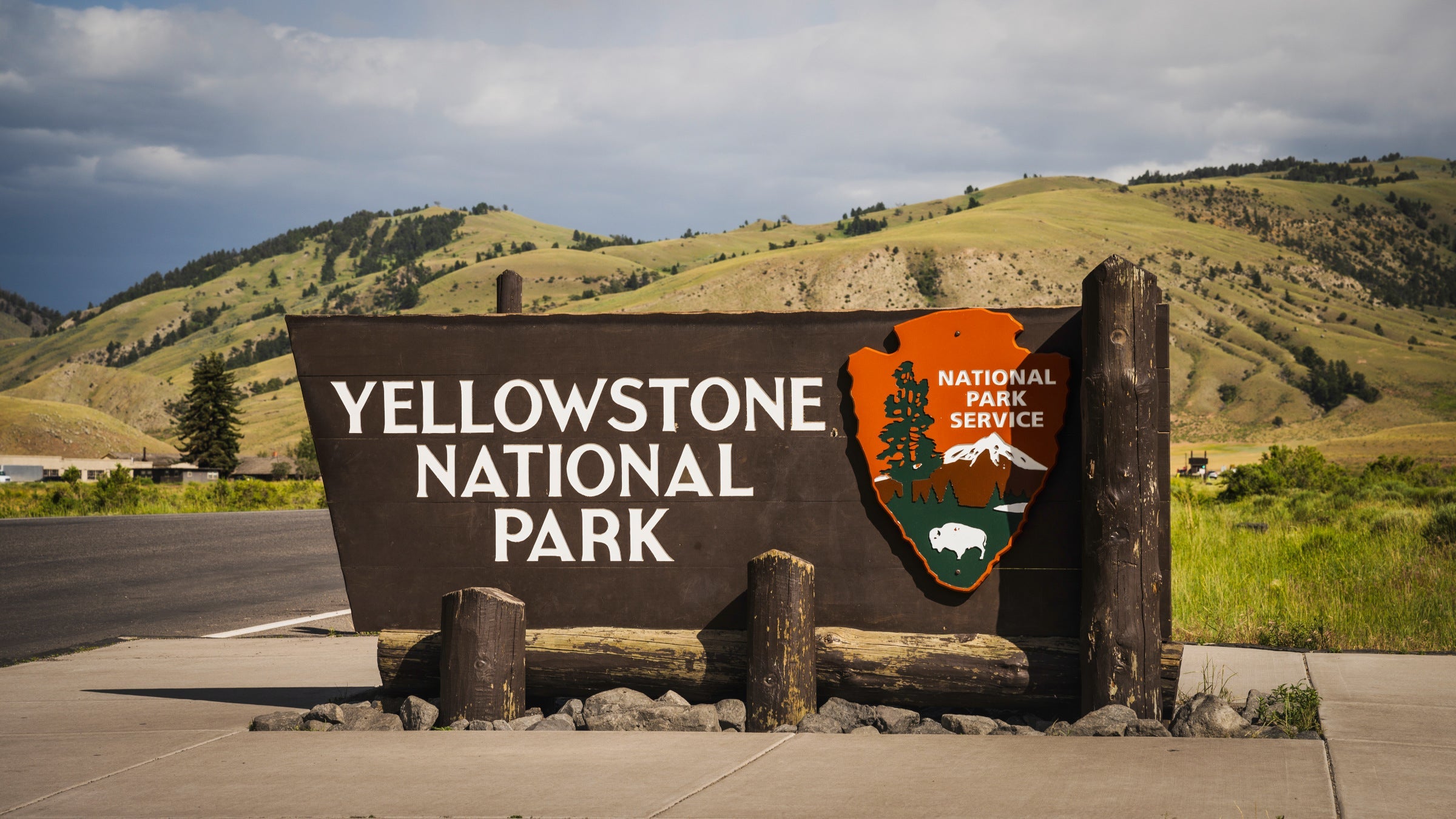
Yellowstone National Park's entrance (Photo: Sanghwan Kim / RF via Getty)
Non-U.S. residents will pay up to $100 extra to enter some national parks and $250 for an annual pass in 2026 under a new pricing structure announced by the Department of the Interior (DOI) this week.
According to the DOI, 11 of the most popular U.S. national parks will begin charging non-residents the new $100 fee, in addition to the standard entry fee, starting on January 1, 2026. The new fee will apply to Acadia, Bryce Canyon, Everglades, Glacier, Grand Canyon, Grand Teton, Rocky Mountain, Sequoia and Kings Canyon, Yellowstone, Yosemite, and Zion National Parks. Visitors who purchase an annual pass must enter their ZIP code and provide a photo ID to receive the U.S. resident price.
Fees for U.S. residents will stay the same, with an annual pass running $80. In addition, U.S. residents will be able to get into the parks for free on eight different “patriotic fee-free days” in 2026, which include Flag Day/President Donald Trump’s birthday on June 14. In the past, fee-free days allowed all visitors to enter without charge, regardless of residency status.
ADVERTISEMENT
The policy changes follow a July 3 executive order by Trump, titled “Making America Beautiful Again by Improving Our National Parks,” which directed the Secretary of the Interior to raise national park entry fees for international visitors.
“These policies ensure that U.S. taxpayers, who already support the National Park System, continue to enjoy affordable access, while international visitors contribute their fair share to maintaining and improving our parks for future generations,” Secretary of the Interior Doug Burgum wrote in the release.
In 2018, during Trump’s first term, then-Secretary of the Interior Ryan Zinke proposed steeply raising entry fees in a handful of popular national parks, including Zion and Arches. Under Zinke’s plan, entrance fees for those units would have more than doubled, rising from $25 per car to $70 for visitors without an annual pass. DOI backtracked on that plan amid strong public opposition.
ADVERTISEMENT
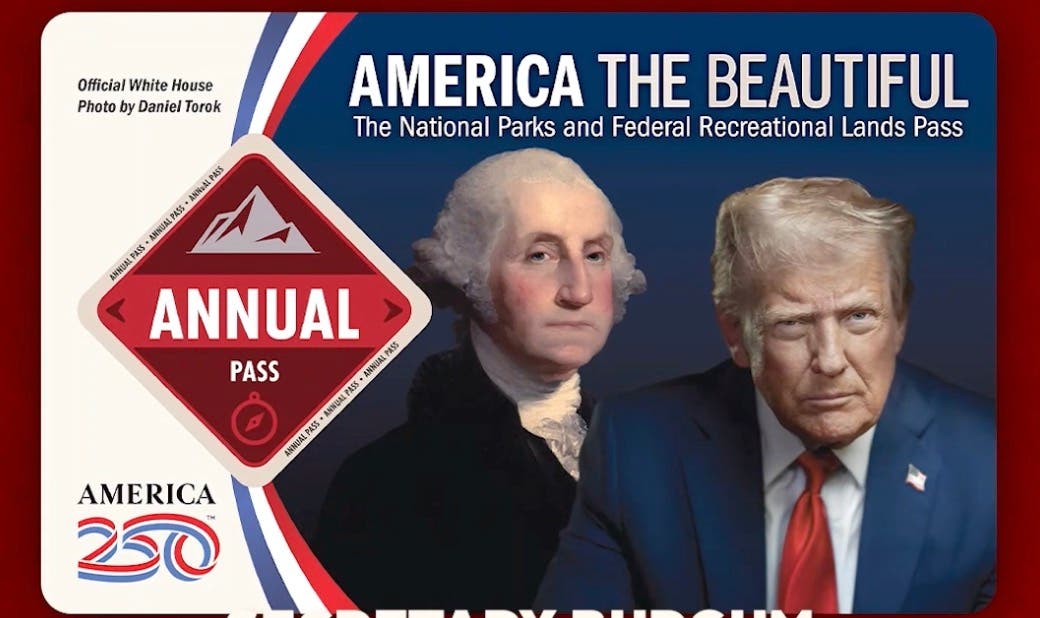
In addition to the fee hikes, DOI announced that all annual passes would now allow entry to two motorcycles instead of one. The agency also announced a new digital America the Beautiful Pass and unveiled a new design for physical cards featuring the faces of Trump and George Washington.
This year has seen a notable drop in international visitation to the United States, with Tourism Economics projecting an 8.2 percent decline in 2025.
