Published August 12, 2015 12:00AM
Perseid Meteor Shower Peaks Tonight
Brightest of the year
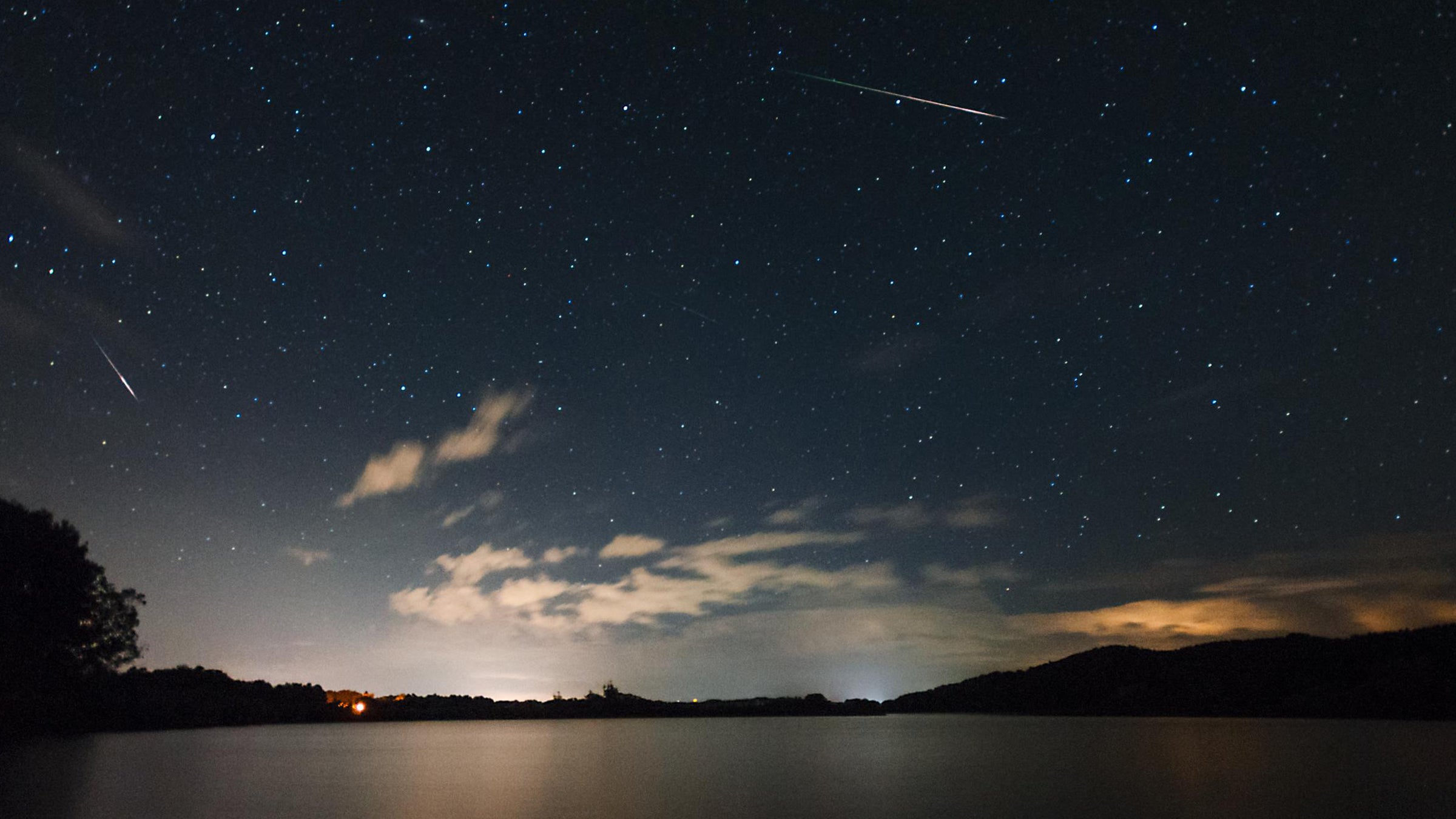
Up to 100 meteors per hour will cross the sky after 11 p.m. (local time) on Wednesday.
The Perseids—the most active and brightest annual meteor shower—began July 17 but will peak late Wednesday night and early Thursday morning, according to NASA. Up to 100 meteors per hour will cross the sky after 11 p.m. (local time) on Wednesday.
There will be virtually no moonlight during the peak of the shower, making for ideal viewing conditions.
“We’ll be able to see much fainter streaks, and the background stars will be even more brilliant,” Constantine Tsang, senior planetary scientist at the Southwest Research Institute and a field team member of the Antarctic Search for Meteorites, told Outside.
The Perseid meteor shower is caused by debris shed from the comet Swift-Tuttle, according to EarthSky. Swift-Tuttle is about 16 miles in diameter and orbits the sun once every 133 years. As Swift-Tuttle nears the sun, the extreme heat vaporizes ice particles on the comet and bits of debris break off, leaving a trail of dust in the comet’s wake. The meteors we see are those particles, most no larger than a pea, burning up in the atmosphere as Earth crosses Swift-Tuttle’s orbital path.
How to See the Most Meteors
- The best way to view the shower is to get away from artificial light and let your eyes adjust for 20 to 30 minutes, according to NASA. Look to the northeast for the constellation Perseus, from which the Perseid meteor shower takes its name.
- Avoid using flashlights while your eyes are adjusting. A telescope or binoculars are unnecessary and will limit your view of the sky, according to the Los Angeles Times.
- Meteors often come in clusters close together, and they fly by at about 133,000 miles per hour, so they can be easy to miss, according to Vox. Be patient and keep an eye on the sky. The most meteors will be visible around 2 a.m. MDT.