Published February 14, 2026 02:17AM
Picabo Street Still Loves to Ski Fast on a Snowy Slope
America’s downhill racing queen in the nineties, Street, 54, discusses what it’s like to explain her sport to the Olympic audience
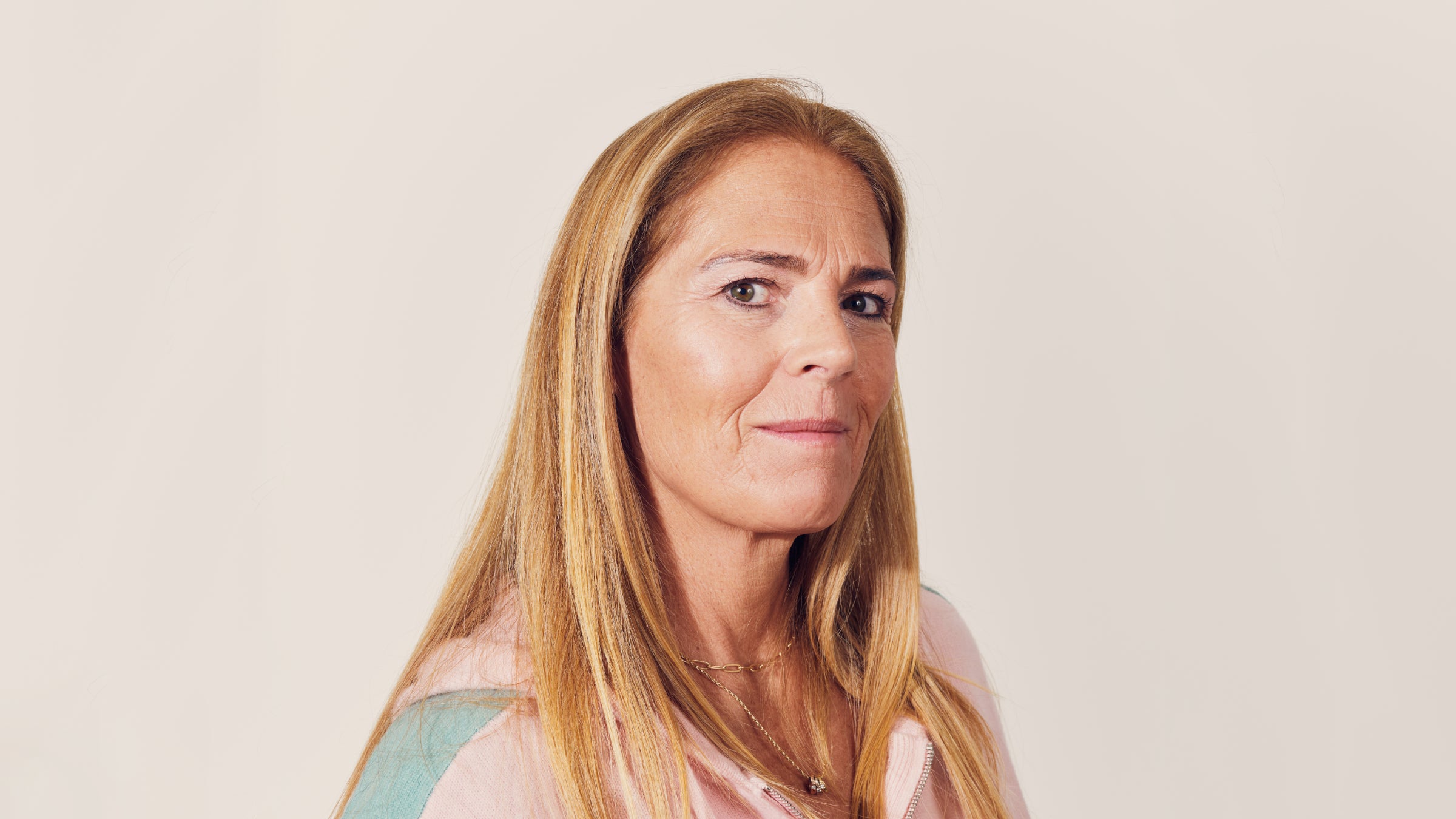
(Photo: McCade Gordon)
Before Lindsey Vonn and Mikaela Shiffrin, American women’s Alpine skiing revolved around one catchy name: Picabo (pronounced “peekaboo”). Picabo Street was the country’s greatest downhill racer in the nineties, notching 13 World Cup wins, two world titles, and a gold medal at the 1998 Olympics. She also suffered ACL tears, a snapped femur, and too many knee injuries to count.
In 2002, following an Olympic comeback after a crash, Street officially retired. She’s since worked as a TV analyst for NBC during the Winter Olympics and operated an academy for NCAA athletes.
On Why Ski Racers Retire
We quit when our bodies won’t give us what we ask of [them]. Because in order to simply be safe during our sport, while expecting a certain level of performance, our bodies need to be healthy. We could die out there.
The Moment She Knew Her Career Was Over
It happened in a doctor’s office in Utah. It became obvious that my body and my mind weren’t on the same page anymore. I was making my own comeback from breaking my femur and blowing out my right knee in the same crash. I wanted to ski one more Olympics in 2002, but it was just taking forever for my body to come around. I couldn’t do a single squat and here I am trying to hold 8G in a downhill turn. It was time.
ADVERTISEMENT
On Why She Still Came Back for One More
That feeling of going fast, of making those clean and precise and intentional turns across the terrain—it’s magical. You know that disaster is constantly looming, and that is part of the thrill. It’s hard to let go of. All of the self-help books I read say that part of personal evolution is doing something every day that scares you. In ski racing, it’s like, how about every single run?
Her Impression of Lindsey Vonn Amid Vonn’s Comeback
She’s peaceful in this kind of eerie way—it’s not a feeling of contentment or satisfaction—but rather she seems to have a high conviction for the comeback. For her, I don’t think it’s just about the outcome. People don’t realize that we’ve so rarely seen her ski at 100 percent, because she was always dealing with some injury. It took a lot for her to walk away, and toward the end she was dealing with so much pain and discomfort and mental hardship.
ADVERTISEMENT
Read more about Lindsey Vonn and her 2026 Olympic comeback here
What’s So Hard About Explaining Ski Racing to the Olympics Audience
When you walk in the sand on the beach, you know that the sand closer to the ocean is harder and more firm, and the sand farther away is soft. You have to make microadjustments with your feet and the way you walk over changing sand just to keep your balance and momentum. That’s like ski racing, only at 80 miles per hour, and through every turn on the course.
The snow conditions change on course throughout the race due to temperature, humidity, and elevation. Ski racers don’t know what the snow is like in a turn until they’ve already committed at full speed, so they make these microadjustments through each turn. They are so tuned in to the surface of snow and how it will respond to their skis. And this attention to detail and this micromanagement that goes on is really hard for people to understand.
What Skiing for Her Looks Like Now
My own skiing needs to be pleasant and fun and pleasurable. I’m all about quality and not quantity. I think last year I got 25 days in, but they were great days of skiing in cool places. My youngest skis bumps and trees and is faster than me now. But put us on a groomer and it’s a different story.
ADVERTISEMENT
On Whether She Still Pushes Herself on Skis
At the beginning of every season, after I’ve spent the summer staying in shape, I do have a few days where I’m like, “Let’s see what the ol’ gal’s got in the tank.” I will ski as fast as I’m able to physically and emotionally. I always try to quit with two good runs still in my legs. That way I can come back the next day feeling great.
This article is from the Winter 2025 issue of Outside magazine. To receive the print magazine, become an Outside+ member here.
