Published March 3, 2026 03:30AM
Outside's Most-Listened-to Stories
Outside recently launched a text-to-speech feature. Don't know where to start? Here are our most listened to articles so far.

(Photo: Getty/Emilee Coblentz)
Outside recently launched a text-to-speech feature, making it easier to stay caught up on the headlines—without spending more time in front of a screen, which has been linked to disease, mental health issues, anxiety, and depression.
If you’re like us, you have a dozen tabs open with stories you swear you’ll read later—right after you finish work, cook dinner, and log your daily workout. Now, thanks to the new audio feature on Outside, content is much easier to consume on the go. Listen to your favorite Outside classics, compelling essays, and breaking news while you hike, run, or walk the dog.
Don’t know where to start? Here are our most listened to articles so far, available only to O+ members.
1. There’s a New Crazy Avalanche Video. We Asked an Expert to Analyze It.
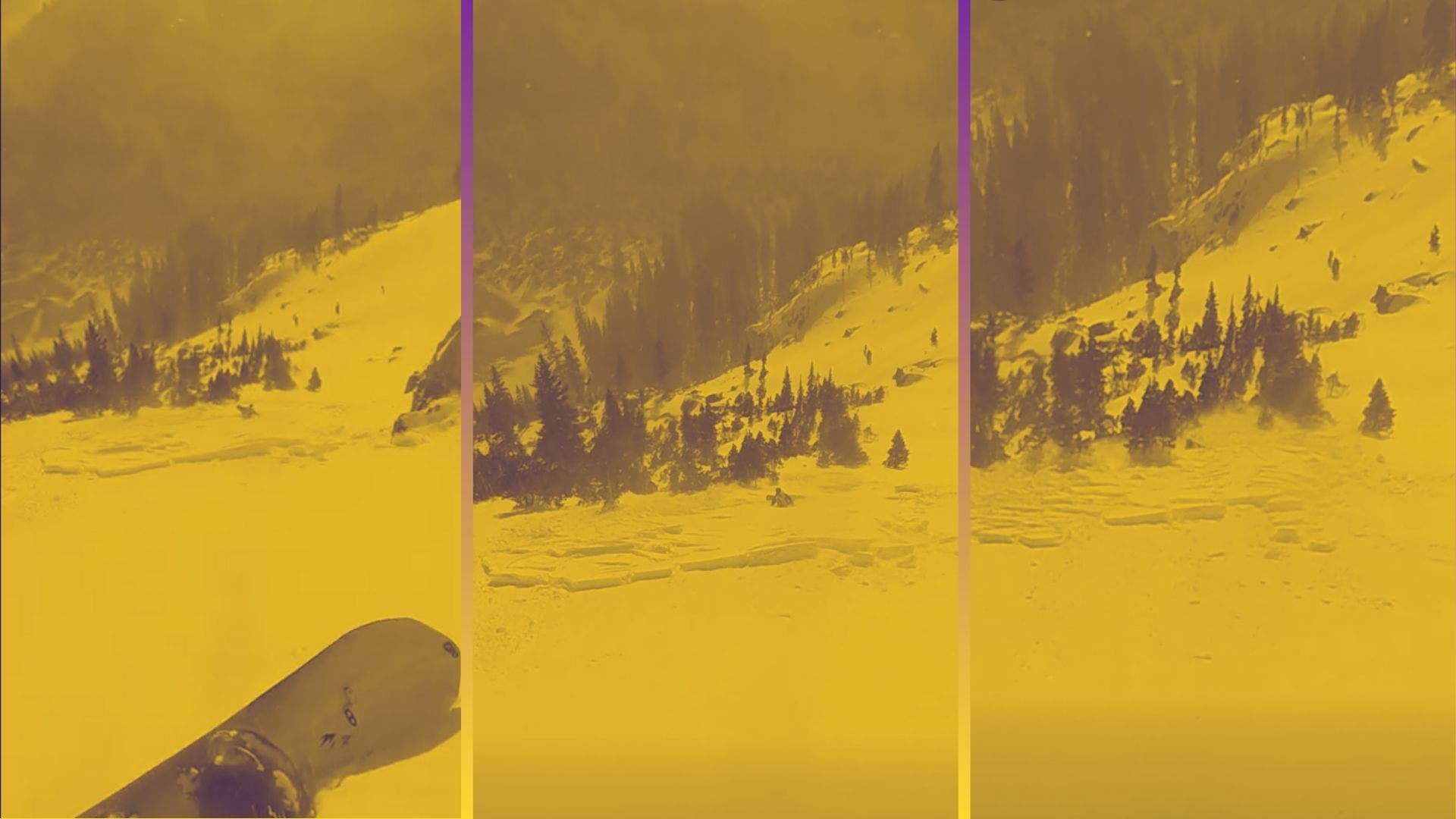
By now, you may have seen the heart-thumping video of three snowboarders who triggered an avalanche while shredding down a steep couloir in Rocky Mountain National Park. The video is all over Instagram, and has racked up more than 3 million views.
We reached out to Brian Lazar, CIAC deputy director, to better understand what’s happening in the avalanche clip. Lazar has been working in the mountains since the nineties. He told Outside that the avalanche was triggered in part by an error in group management, a mistake the snowboarders also acknowledged in their accident report.
Lazar provided Outside with an expert analysis of what happened in the video.
ADVERTISEMENT
2. A Viral Video Shows Three Bears Running Across a Tahoe Ski Mountain
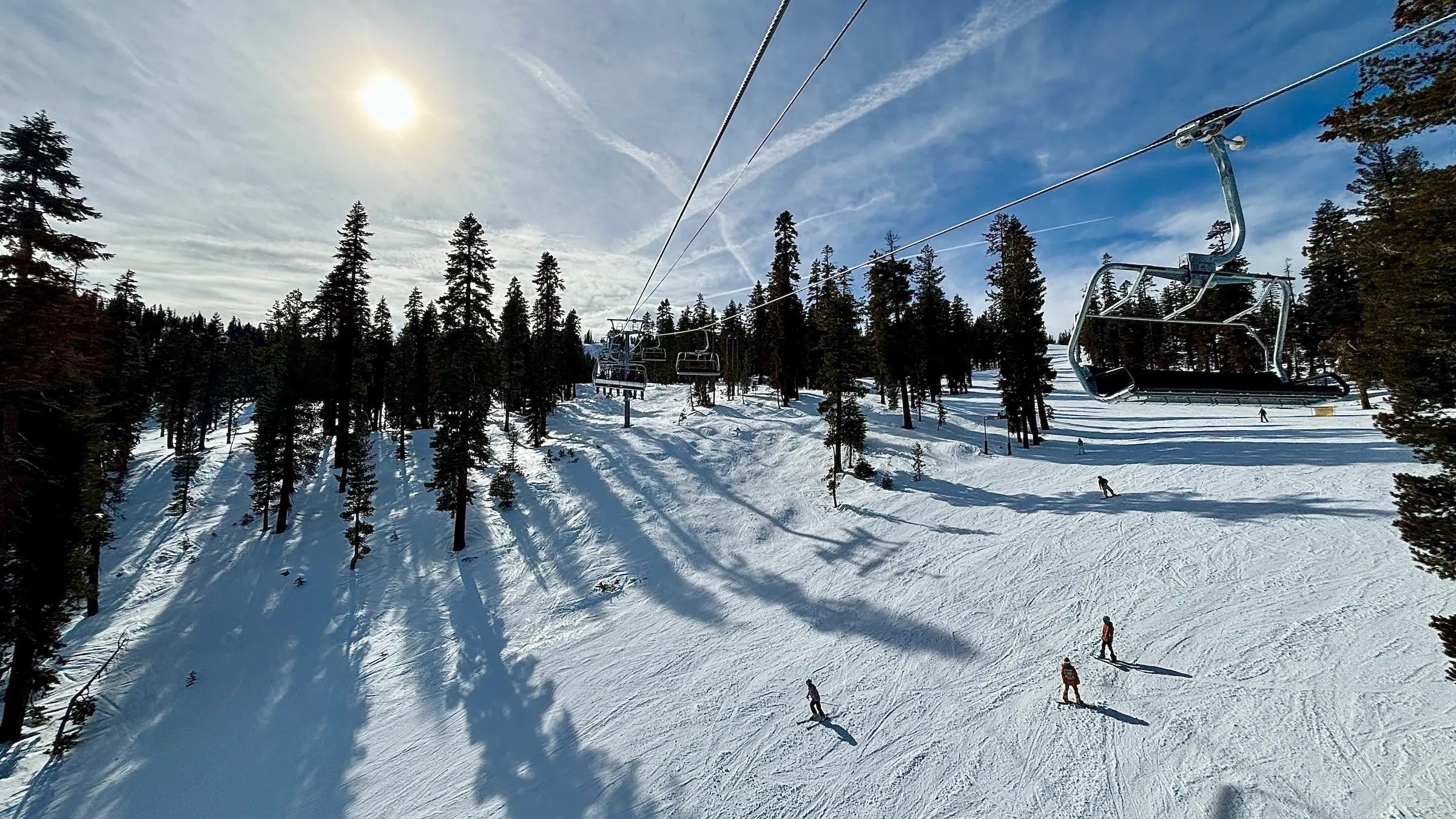
Skiers and snowboarders in California witnessed a rare bear sighting at Northstar Resort, as the North Lake Tahoe mountain recorded several feet of snow during a winter storm.
A video shared to Instagram on February 18 showed three bears—what look to be a sow and two cubs—running across a powdery groomer. Skiers strapped to boards and skis stopped uphill and across from the trio, taking in the unusual sight.
But shouldn’t the bears be hibernating?
ADVERTISEMENT
3. The Antidote to Cold, Dark, Lonely Winters? Sweating with Strangers at Seattle’s Inaugural Sauna Festival.
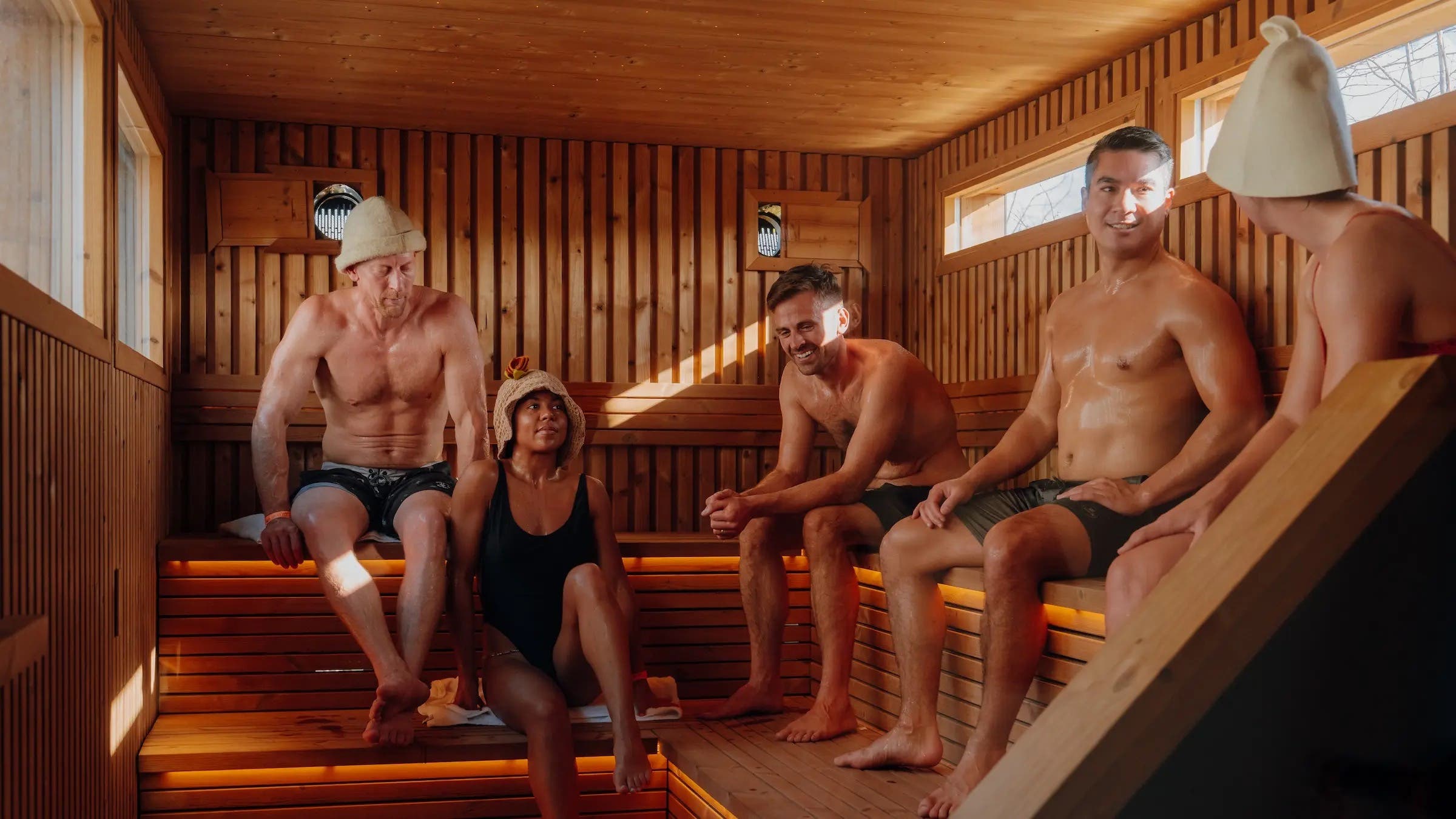
With a bundle of birch leaves as my pillow, I’m in my swimsuit, lying face down on a makeshift massage table in a 180-degree sauna tent. I hear the hiss of water on hot rocks before I feel boiling droplets hit my back. The dripping turns to brushing—someone’s gently sweeping me with oak leaves now—and then suddenly, they start whacking me. Back, butt, legs—nothing’s spared. My first thought: Is this supposed to be relaxing? My second: Because it feels kinda good.
My skin tingles. The steam grows hotter. After about ten minutes of this, Dustin tells me to turn onto my back and covers my face and head with the birch leaves that served as my pillow. He then goes through the ritual again: sweeping and slapping. At the end, when my skin is as red and raw as a ripe tomato, he pours cool water from a watering can over my body.
ADVERTISEMENT
But the experience is not quite over.
4. What the New Study on Exercise and Longevity Really Tells Us
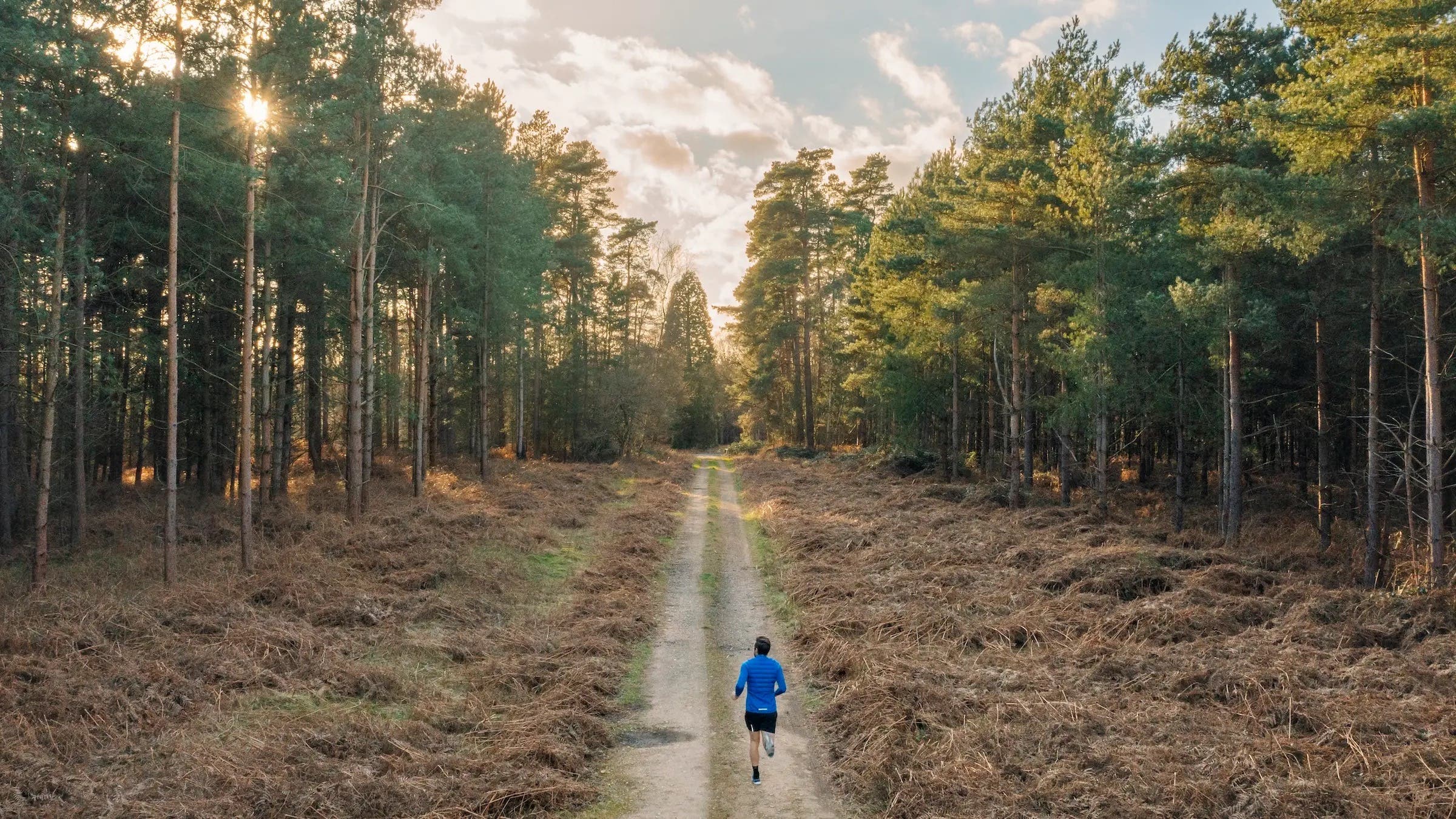
People often complain—and rightly so—that the typical exercise science study involves a half-dozen male undergraduates who follow some sort of workout routine for a couple of weeks. So you can imagine the enthusiasm that greeted a recent BMJ Medicine study that followed 70,000 women and 40,000 men for over three decades, looking for links between the various types of physical activities they engaged in and how long they lived.
Finally, definitive answers to our questions!
ADVERTISEMENT
5. In Search of Michelle Vanek
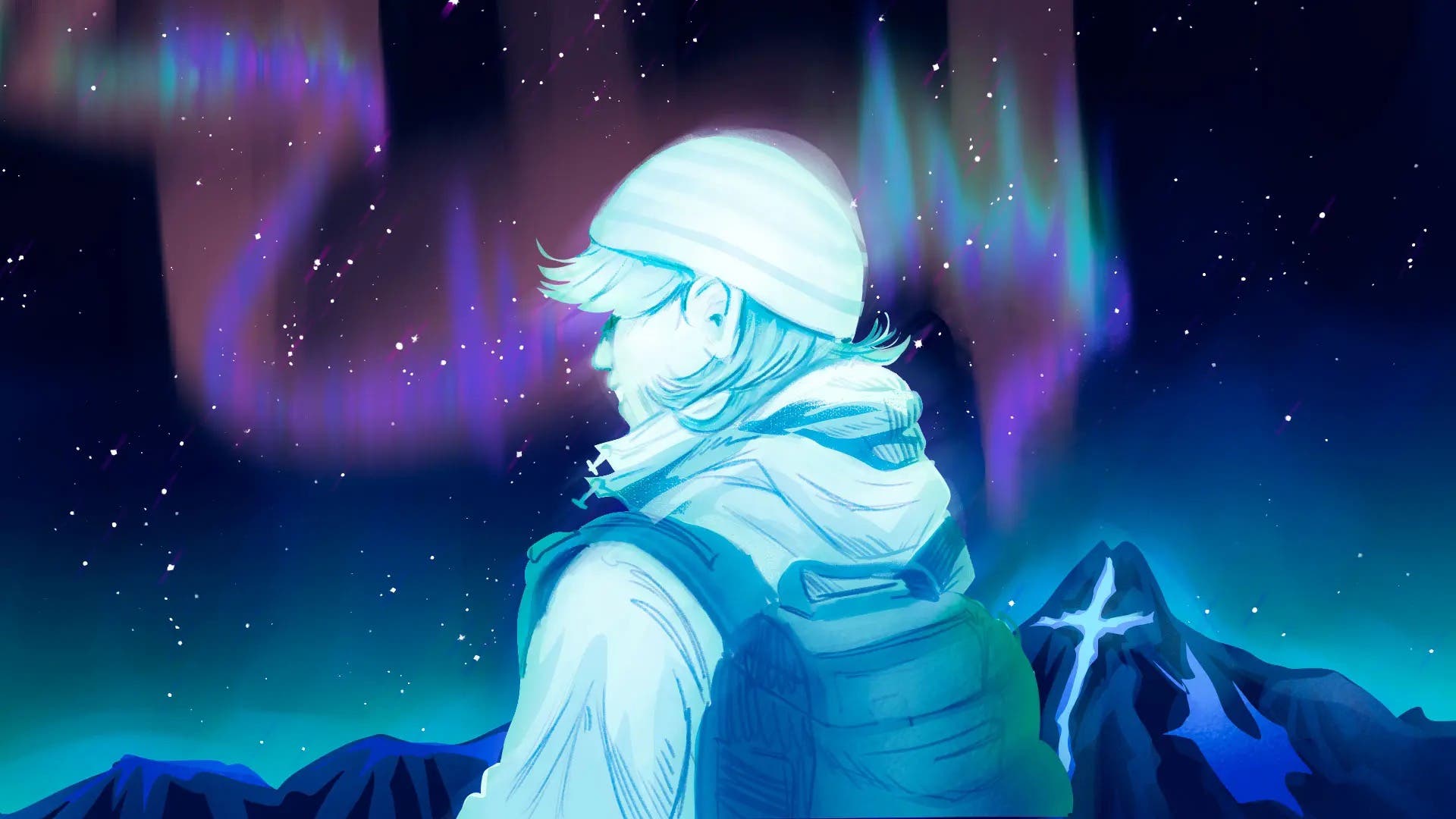
On September 14, the Eagle County Sheriff’s Office (ECSO) issued a press release (“A Glimmer of Closure: Personal Items Found Near Mount of the Holy Cross May Belong to Michelle Vanek”). It opened with these lines: “Almost 19 years ago, Michelle Vanek embarked on a hike up Mount of the Holy Cross and vanished without a trace. Today, we are filled with hope as a recent discovery in the area may finally bring her family, friends, and the entire community the closure they have long sought.”
What the press release didn’t say was that other than personal effects, the only actual biological evidence Erika and Zach recovered at the site was a right temporal lobe skull fragment about the size of a walnut, just one of 206 bones in the human body. At a press conference the county sheriff convened outside VMRG’s Edwards headquarters three days later—as Zach, Erika and others bathed uncomfortably in the lights of TV news reporters jockeying for interviews—I stood off to the side unnoticed, watching, thinking, planning. Because once Zach and Erika had found the place where we believe Michelle Vanek had died, as the team’s cadaver dog handler, it became my responsibility to lead an expedition into the high alpine that would finally bring Michelle home to her family.
ADVERTISEMENT