Published February 10, 2026 04:30PM
If you buy through our links, we may earn an affiliate commission. This supports our mission to get more people active and outside.Learn about Outside Online's affiliate link policy
For Wet, Sweaty Winter Adventures, These Are the Best Synthetic Jackets I’ve Tested
These outer layers keep me warm and dry, no matter the weather.
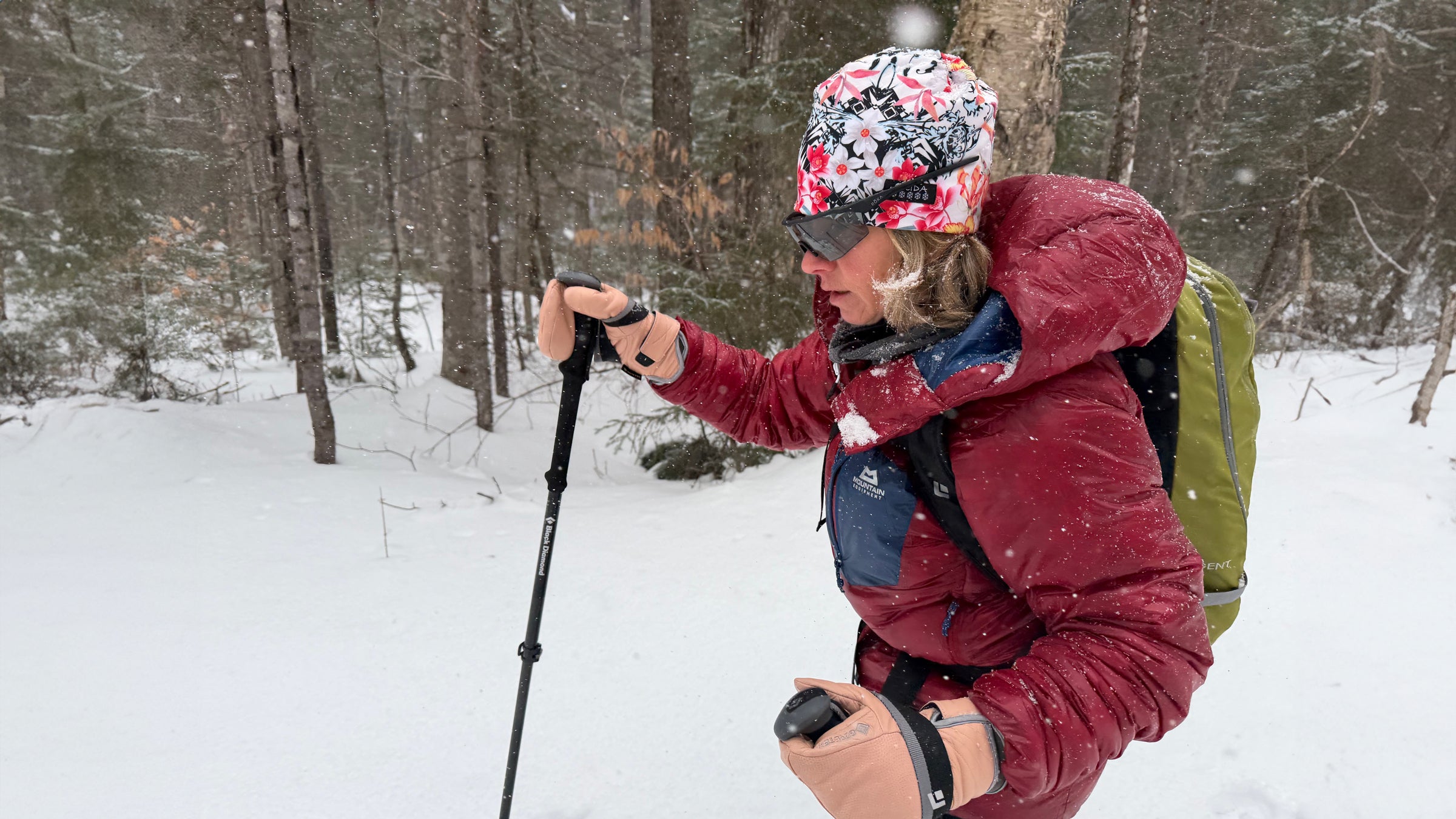
When the weather turns to a wet "wintry mix," synthetic insulated jackets are the superior choice for staying warm, dry, and mobile on the trail. (Photo: Kelly Bastone)
Some conditions simply call for synthetic insulation: Whenever the weather hurls down rain, sleet, or the dreaded “wintry mix” of waterlogged snow, I reach for the for fast-drying, anti-clumping synthetic insulated jackets. That’s because down jackets, another winter layer go-to, quickly lose their ability to loft when wet—a recipe for hypothermia in cold climates.
After several years of testing hundreds of the best synthetic jackets, evaluating moisture management, breathability, compressibility, fit and warmth, I’ve come away with a few personal favorites. These five, scored on warmth, weight, and compressability, are in constant rotation in my gear closet.
Best Synthetic Insulated Jackets: At a Glance
- Best Bargain: Backcountry Peale Primaloft Stitch-Free Baffle Stretch Jacket ($219)
- Warmest: Black Diamond Solution 4.0 Parka ($449)
- Most Compressible: Mountain Equipment Oreus Hooded Jacket ($450)
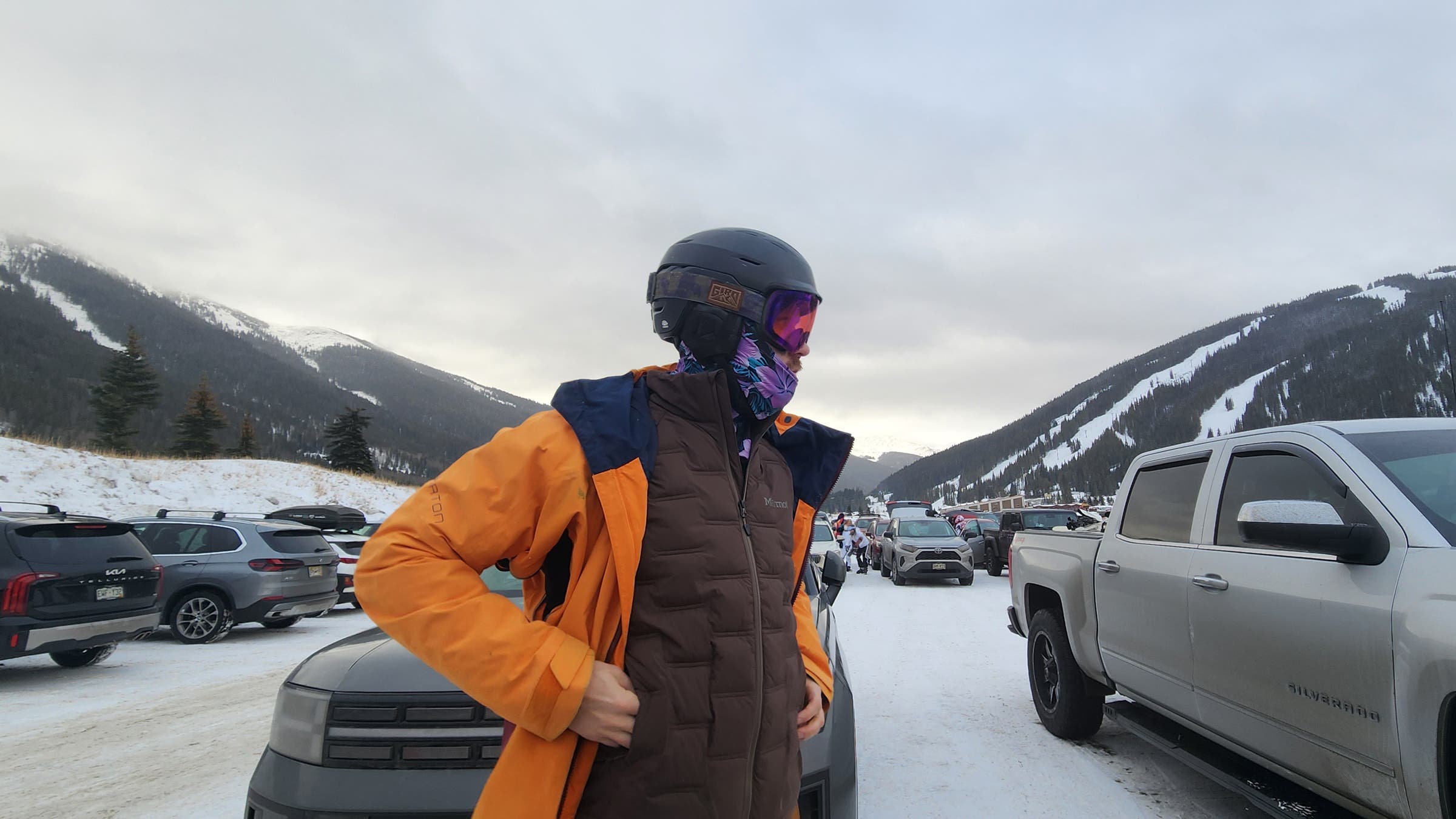
- Most Breathable: Marmot WarmCube Active Novus Insulated Jacket ($275)
- Best Lightweight: Patagonia Micro Puff Hoody ($345)
Best Bargain Synthetic Jacket
Backcountry Peale Primaloft Stitch-Free Baffle Stretch Jacket
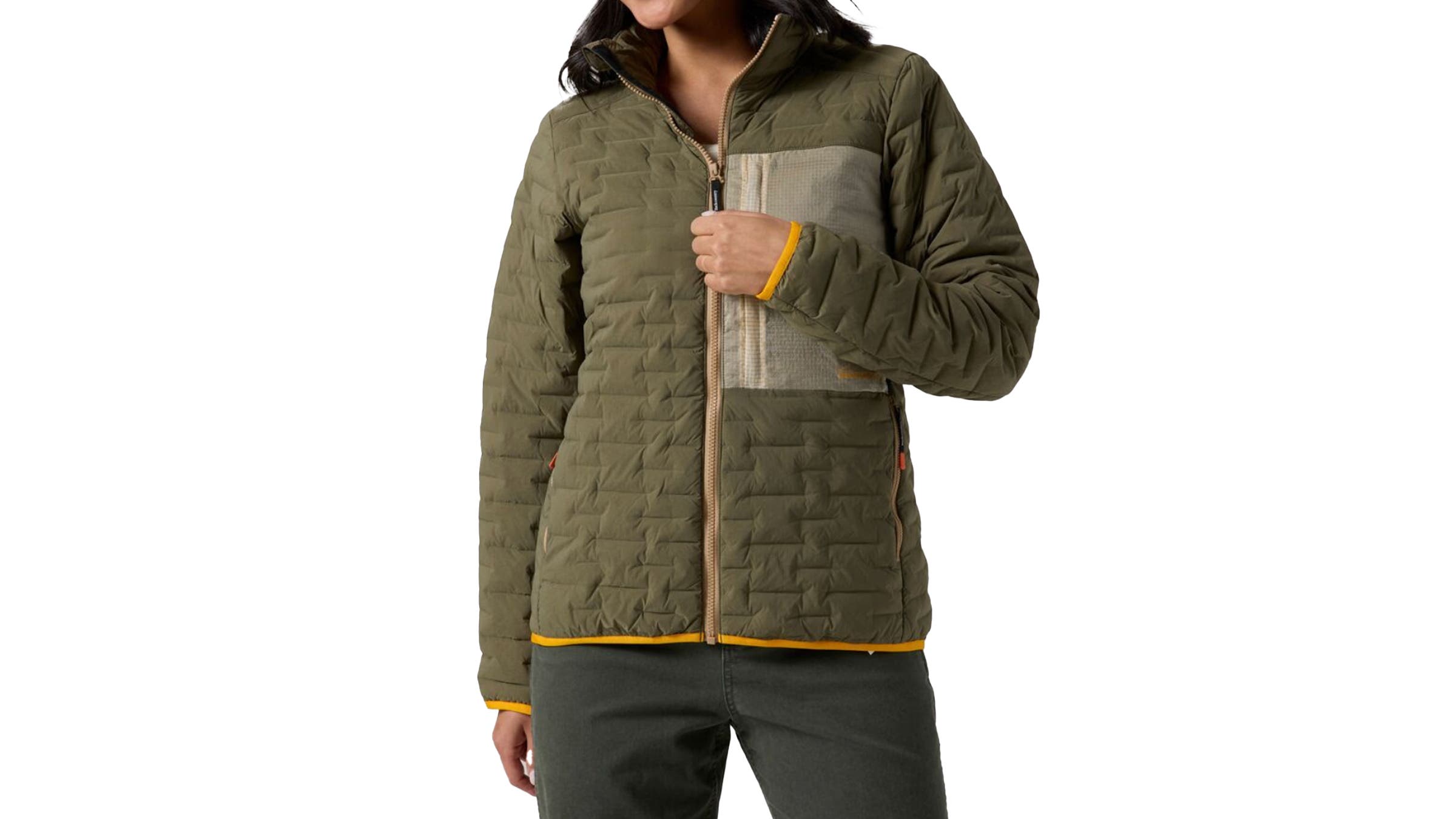
Approachable pricing isn’t this synthetic jacket’s sole appeal; it’s also stretchy thanks to stitch-free baffles and stretch-woven nylon with 13-percent Spandex. The loose-fill Primaloft Silver Thermoplume fibers are infused with aerogel (the NASA-developed super-insulator) for warmth without bulk. Its moderate warmth makes it an ideal midlayer for downhill skiing or low-exertion hiking in temperatures ranging from ten to 30 degrees.
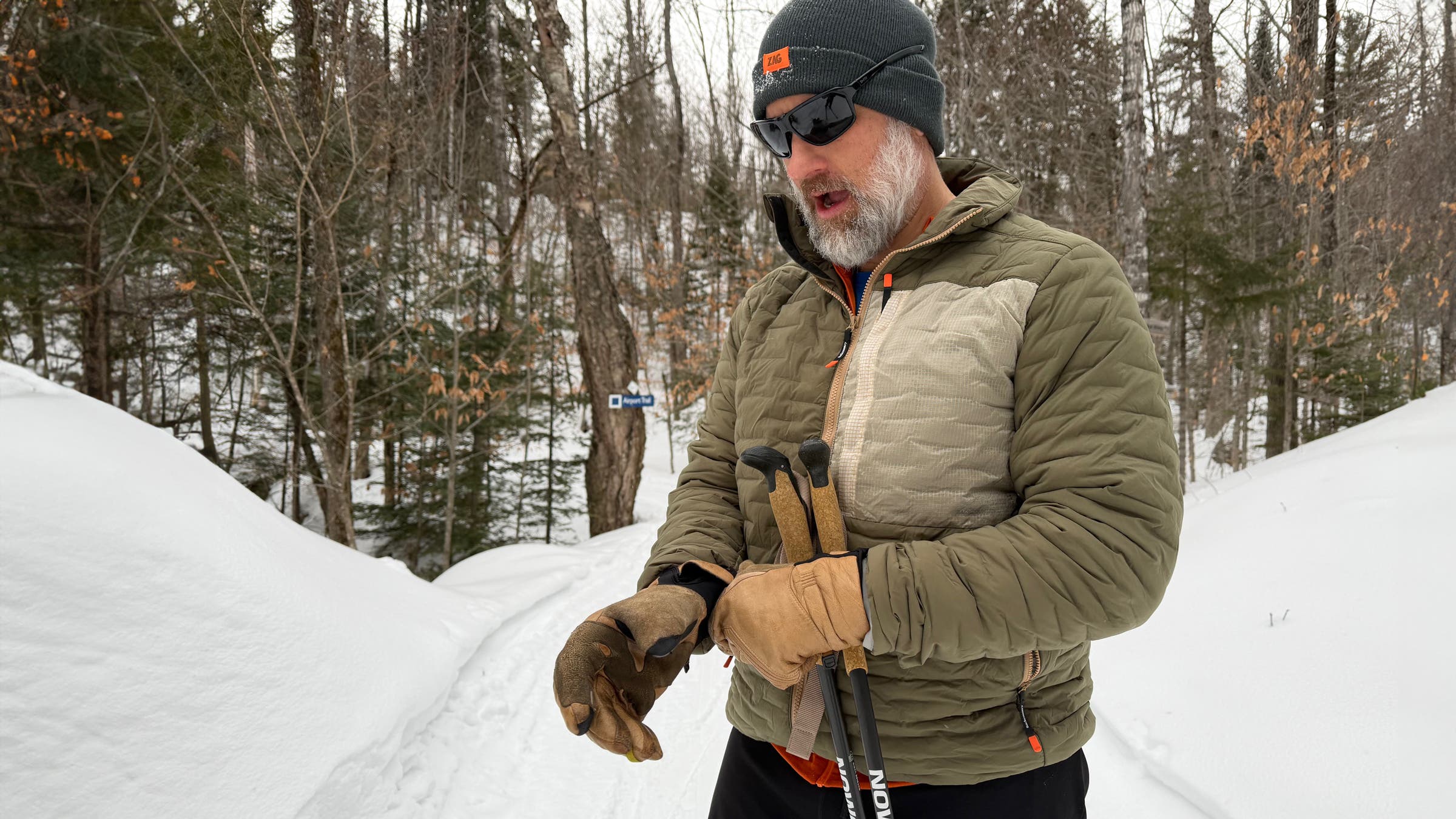
It’s not the most breathable synthetic jacket, however, owing to that down-like insulation, and it won’t dissipate copious amounts of sweat. Worn over base layers and beneath a shell at Vermont’s Sugarloaf ski area, its stretchy warmth let me reach for pole plants and twist to greet an incoming chair. The large zippered chest pocket holds an oversized smartphone—or serves as a stuff sack—and two zippered hand pockets secure a wallet or keys.
Warmest Synthetic Insulated Jacket
Black Diamond Solution 4.0 Parka
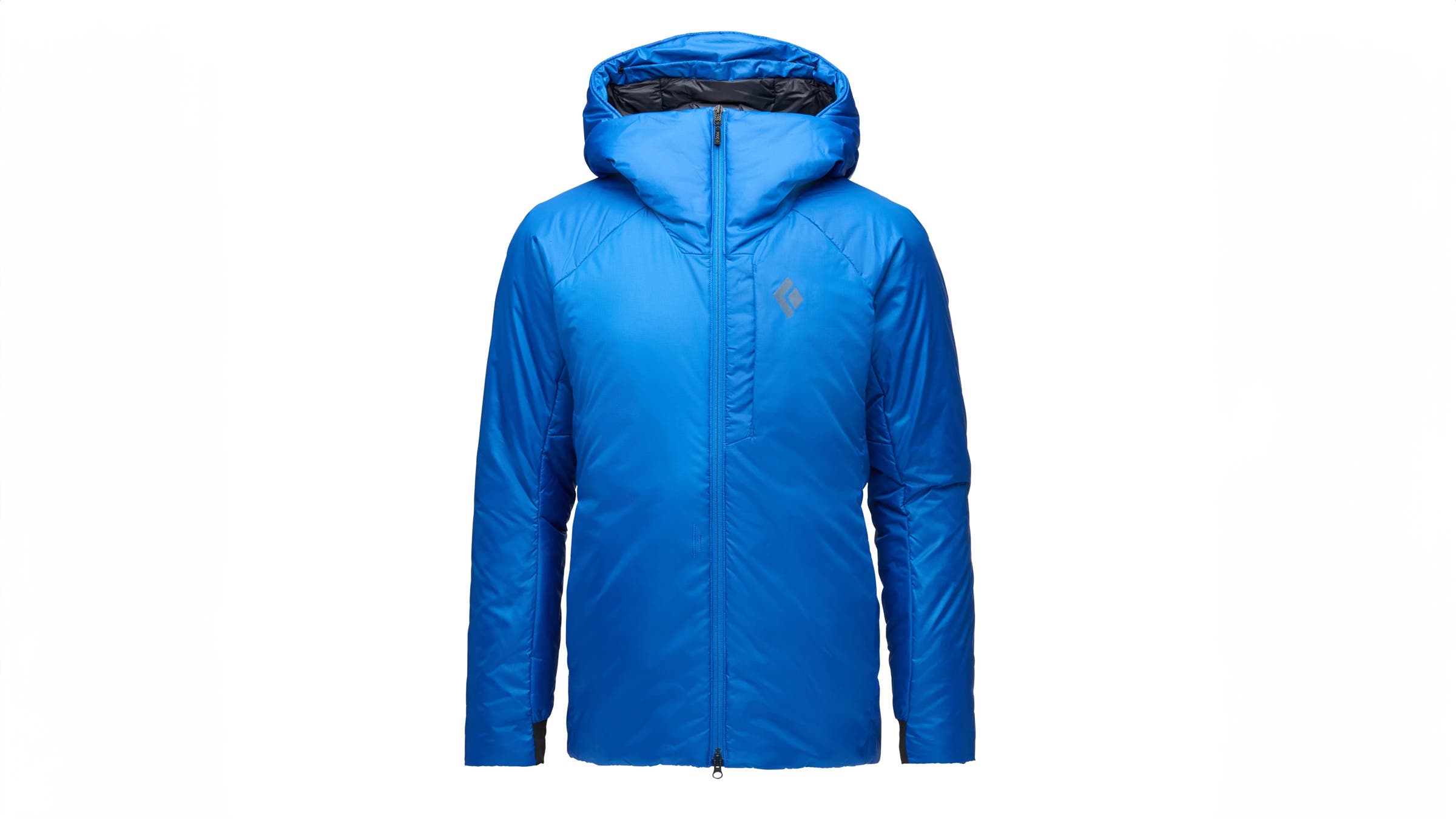
A super-puff that effectively seals out cold, wind, and sleet, this belay parka kept me warm through emergency repair stops in Colorado’s northern Front Range and while bike commuting through sleet on a 30-degree day in coastal Maine. Two Primaloft insulations (200-gram Rise and Gold Cross Core threaded with aerogel) are great for warmth retention, but not so great for weight savings.
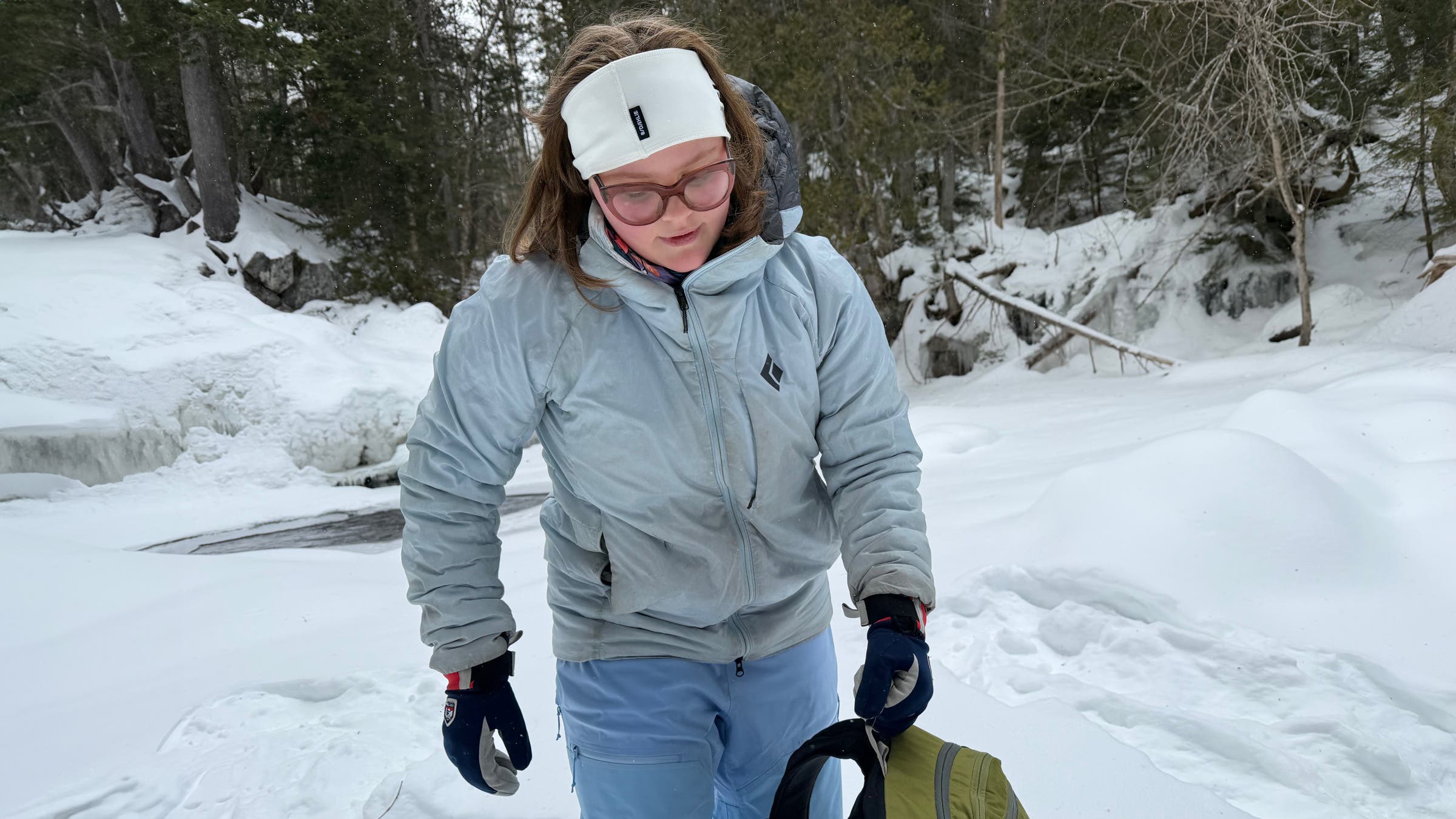
At 28 ounces, this isn’t the most lightweight synthetic jacket on the market. But the tradeoff is reliable comfort and durability. Over three years of hard use, my DWR-treated sample still sheds snow, and the 50-denier ripstop shell remains unscuffed. Bonus points for the cavernous hood and large internal drop pockets. And if you’re a climber or mountaineer, the Solution 4.0 is a true belay parka: a two way zip makes harness access easy.
Most Compressible Synthetic Jacket
Mountain Equipment Oreus Hooded Jacket
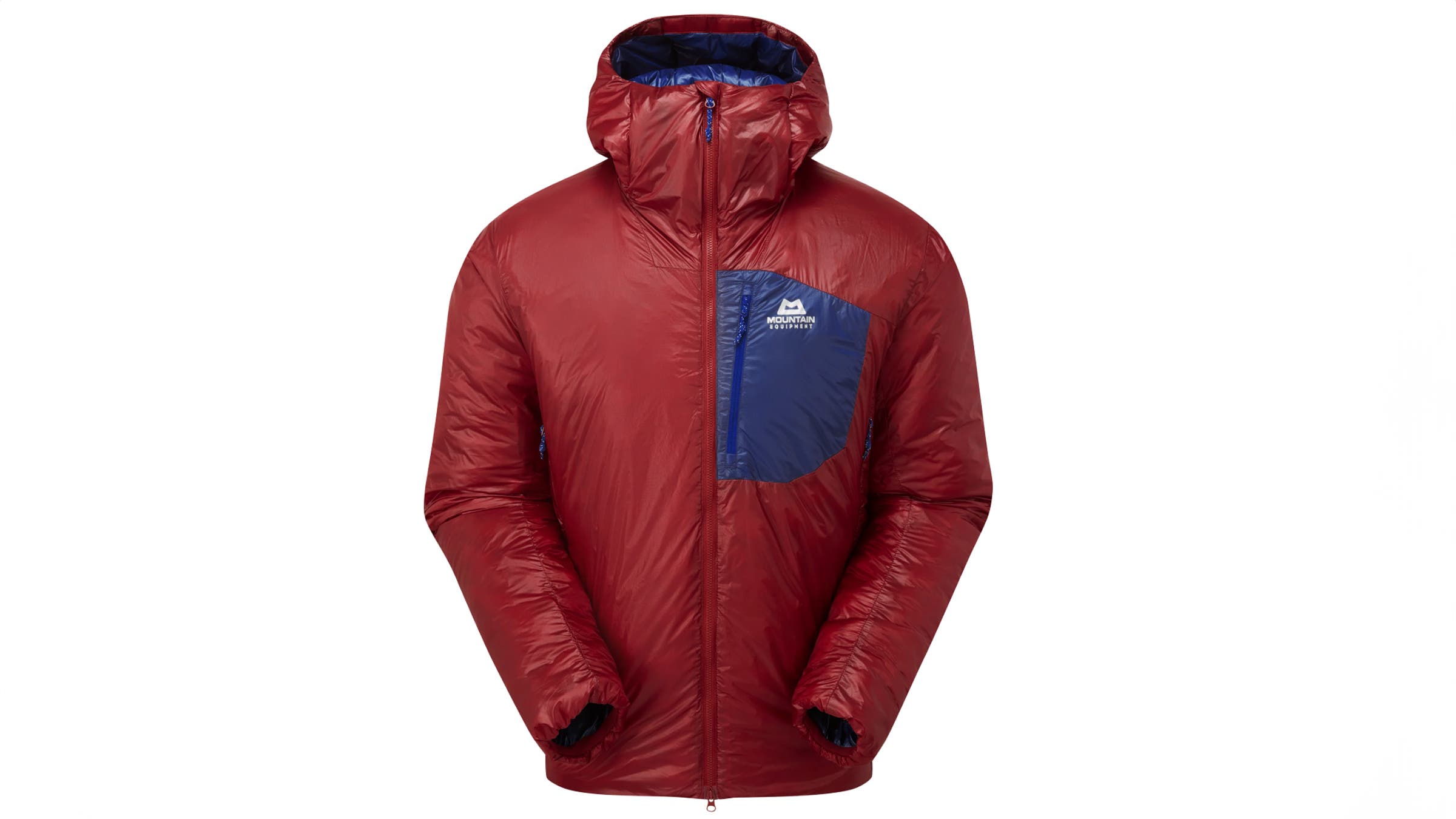
Think synthetic jackets aren’t packable? This 14-ounce jacket is able to compress down to the size of a papaya thanks to a novel, surprisingly warm insulation. Baffle-free sheets of proprietary recycled polyester insulation are interwoven with reflective fibers that retain body heat like a space blanket. But unlike a space blanket, this material is breathable, thanks to air pockets between the filaments.
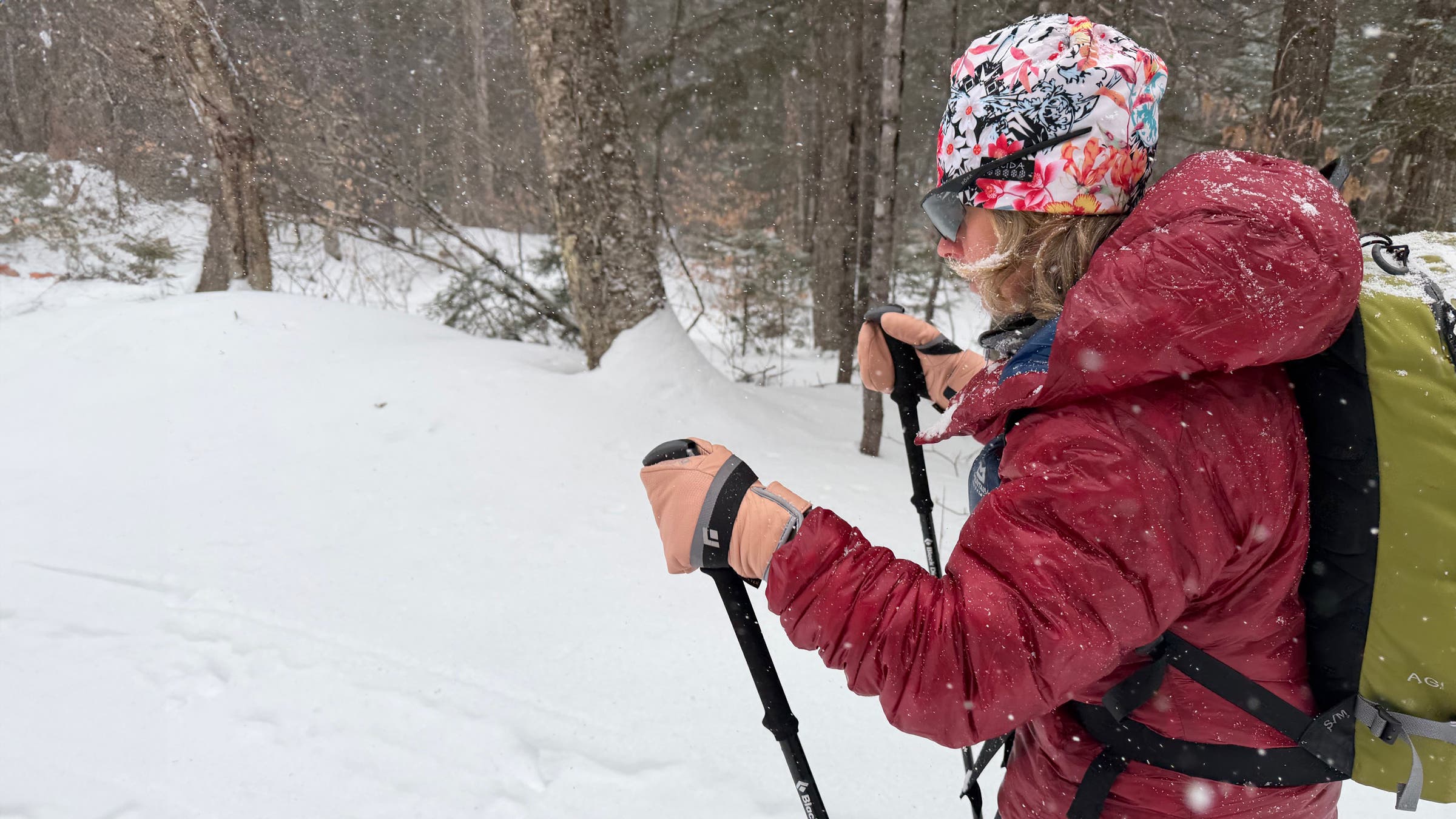
Less sweat-trapping than many synthetic jackets, the Oreus kept me from clamming up while ski-touring in five-degree temps and dissipated sweat quickly when worn after strenuous climbs. Silky and quiet, the 10-denier nylon (100 percent recycled) proved durable enough to resist snags or rips over two years of heavy use in Colorado’s high peaks. An interior drop pouch holds climbing skins, three zippered outer pockets swallow headlamps and sunscreen. The hood’s three-way adjustability and warmth is downright impressive.
Most Breathable Synthetic Jacket
Marmot WarmCube Active Novus Insulated Jacket
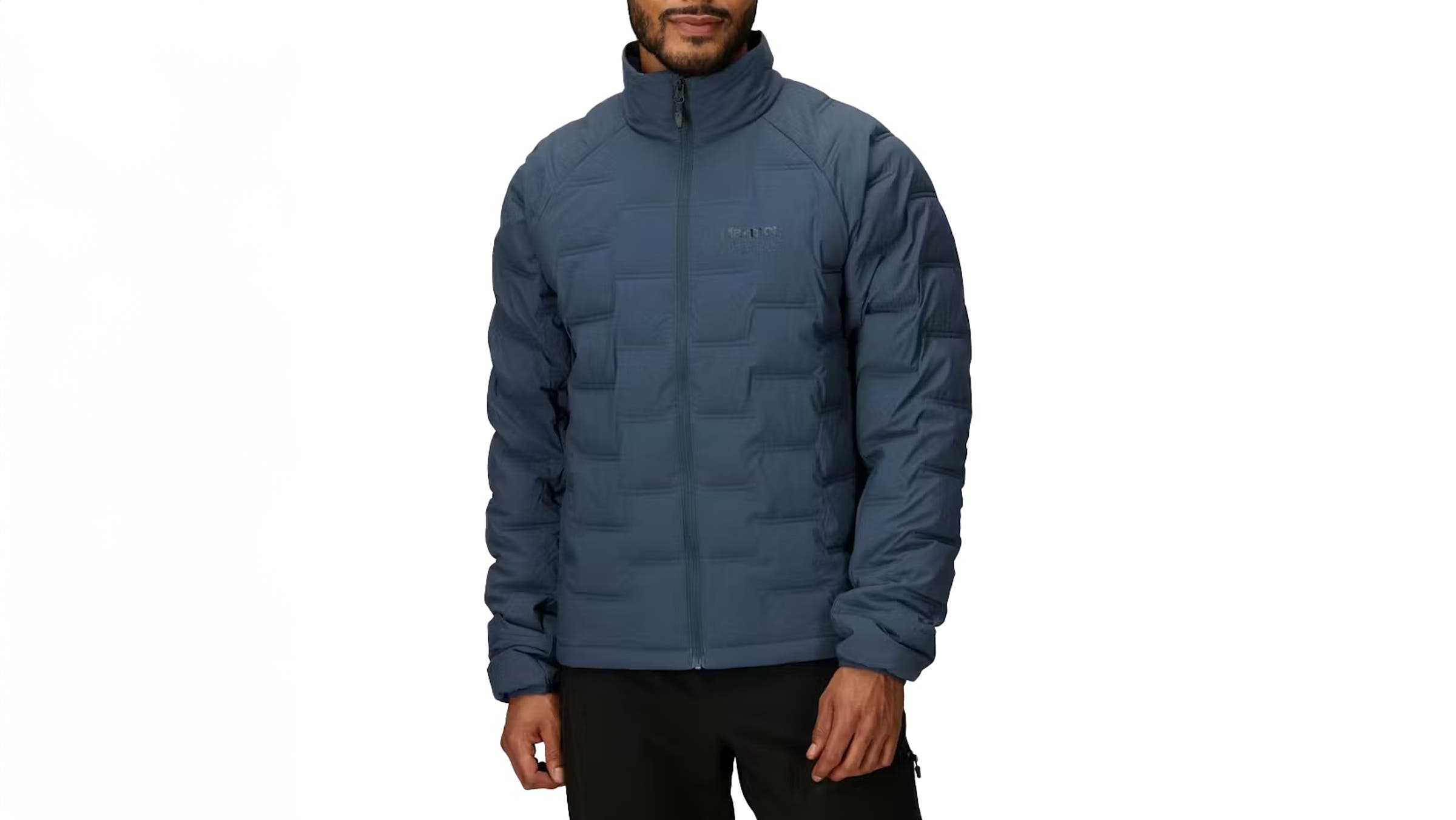
Most puffies (even synthetic ones) don’t effectively dissipate sweat produced during high-intensity exercise, but the WarmCube Novus is designed with gaps in the insulation that let heat and moisture escape. The 100 percent recycled nylon ripstop fabric is lined with staggered rows of synthetic-filled pillows that let air circulate around and behind the insulation.
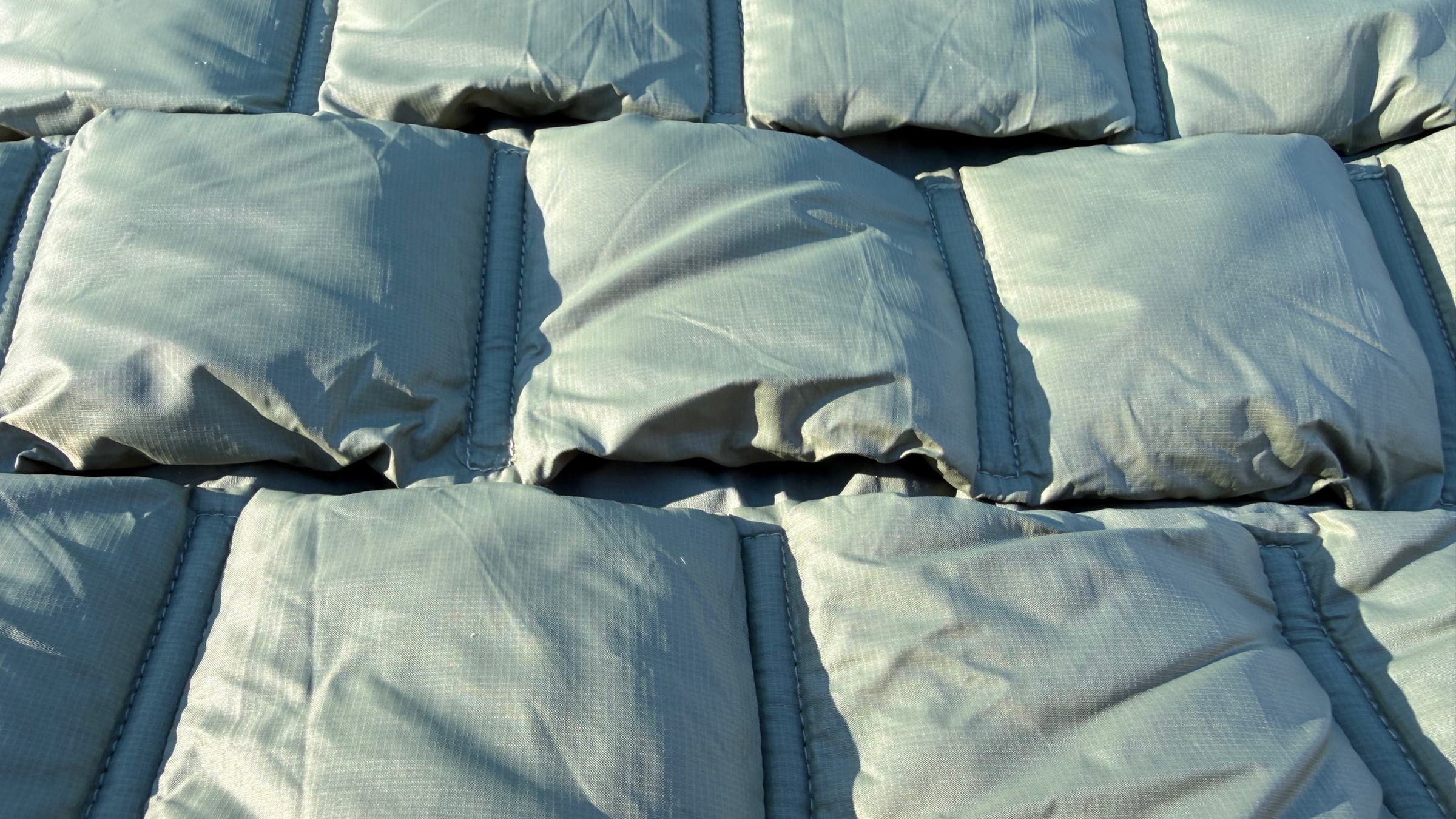
The design on this synthetic insulated jacket kept me dry and regulated while fat-biking in 12-degree weather. During powder laps at Vermont’s Jay Peak ski area, I wore this puffy beneath a waterproof shell and felt minimal moisture buildup. Two interior drop pockets and two zippered hand pockets store a PB&J and handwarmers. At 17 ounces and packing down to volleyball size, it’s still fairly packable for a synthetic jacket of this warmth.
Best Lightweight Synthetic Insulated Jacket
Patagonia Micro Puff Hoody
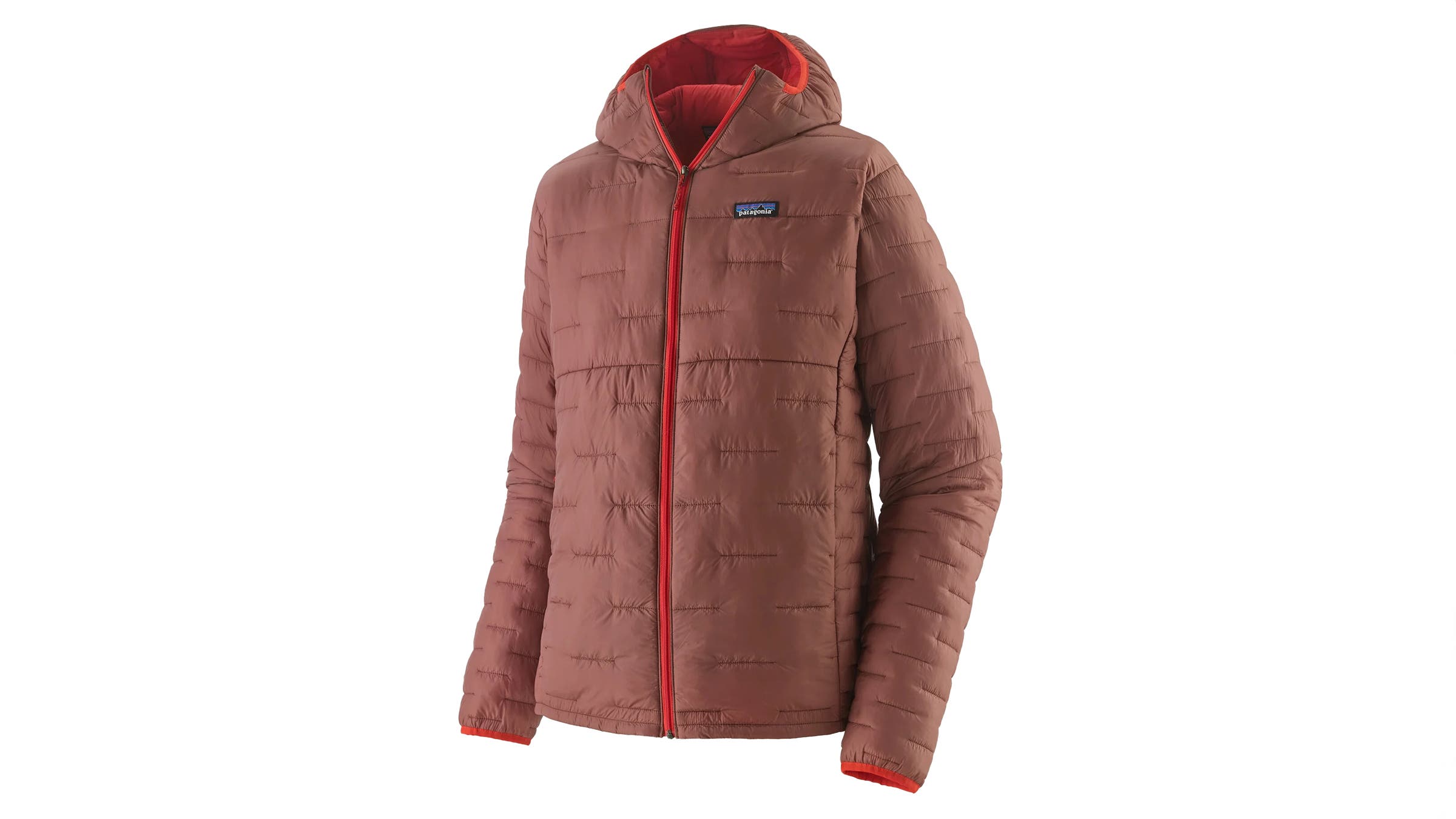
I had my doubts about this thin, low-bulk jacket. But after a zero-degree ski tour on Maine’s Burnt Mountain, I can safely say that the Micro Puff Hoody is sufficiently warm during moderate-output adventures. The thin, 10-denier recycled nylon shell fabric is windproof and light enough to allow maximum loft of the 65-gram PlumaFill insulation.
Patagonia’s proprietary synthetic fill imitates down’s structure by spinning air-trapping microfilaments around a central fiber and requires fewer stabilizing seams and baffles than down. Translation: No cold spots. And the PlumaFill proved impervious to moisture, too. Dampened by sleet while paddling in Maine’s Casco Bay, its insulating power stayed strong. Two large interior drop pockets secure gloves or tools for climbing, winter hiking, or forays on skis. This lightweight synthetic jacket packs down to the size of a liter water bottle and weighs about ten ounces—even with a storm-bunker of a collar and hood (cut snug to fit beneath a helmet).
