Updated March 4, 2026 11:29AM
If you buy through our links, we may earn an affiliate commission. This supports our mission to get more people active and outside.Learn about Outside Online's affiliate link policy
Best Men's Running Tights and Pants for Winter (2026)
After months of cold-weather testing, these are the tights and pants we wanted to keep wearing.
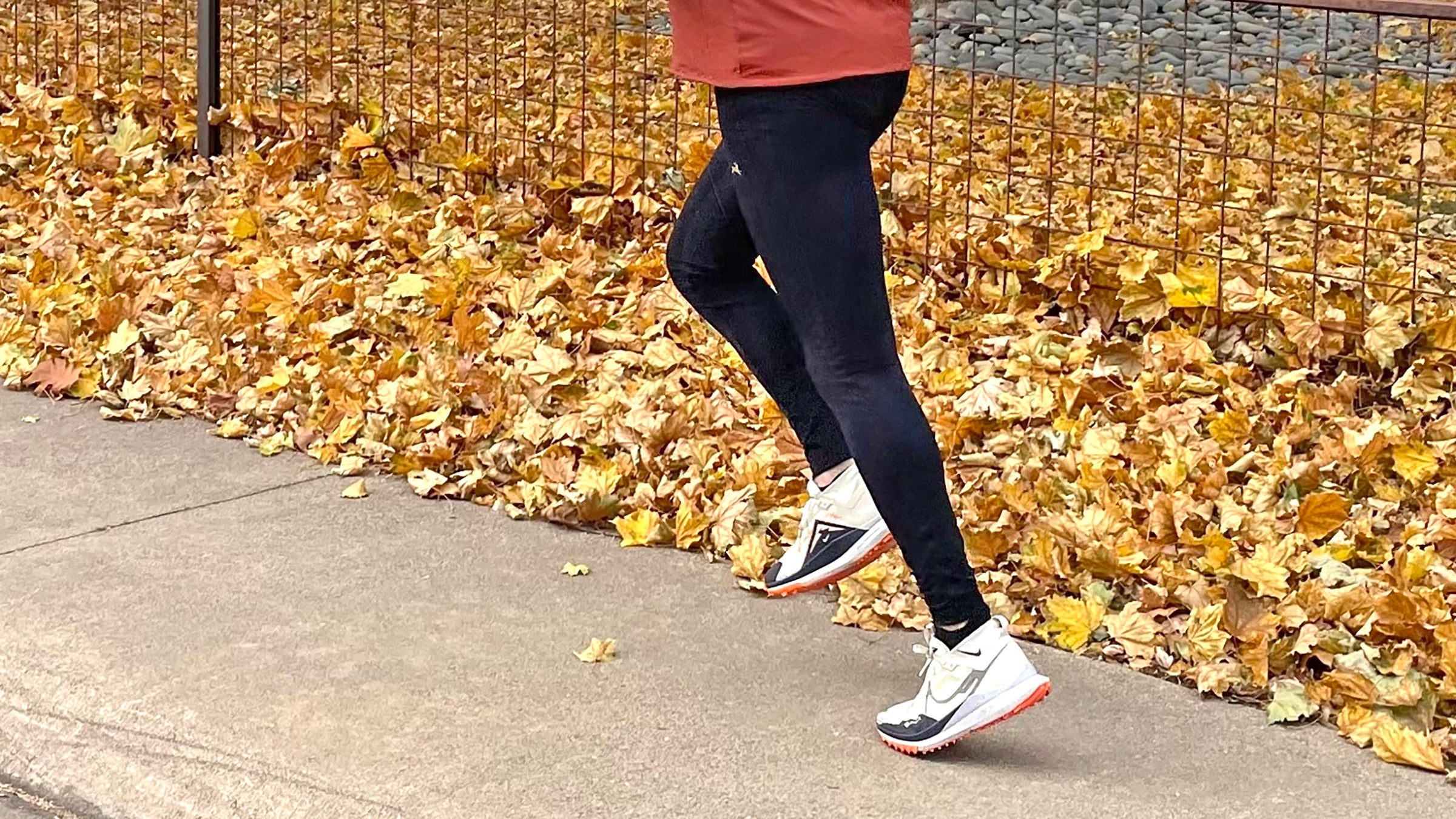
(Photo: Lisa Jhung)
Table of Contents
After months of winter testing, we named the On Running Performance Winter Tight the best all-around men’s running tight for its ultra-comfortable, buttery smooth, stretchy fabric, supportive fit, and effective wicking. Those looking for high performance in a good value should check out the $90 Salomon Shakout Core Tight.
Heart, lungs, and legs—these are the engines needed for running. The body’s built-in insulation protects the first two, but the gams present a lot of surface area that’s vulnerable to wind and cold. The best winter running tights and pants in this review effectively sheltered our testers from the elements, while providing muscle support, pockets for storing everything from fuel to phones, and reflective overlays for safety in low-light conditions. Winter running is noticeably better when you keep your engines and your (wink) chassis warm and protected.
March 2026: We updated this guide to reflect current availability and pricing (several have been discounted).
Best Men’s Running Tights and Pants: At a Glance
-
- Best All-Around: On Running Performance Winter Tight ($130)
- Best for Coldest Weather: Tracksmith Turnover Lined Tights ($140)
- Best Value: Salomon Shakout Core Tight ($90)
- Best for Winter Trail Running: Janji Trail Tight ($108)
- Best for Low-Light Conditions: Brooks Run Visible 2.0 Tight ($91)
- Most Versatile: Rabbit Victory Pants ($106)
Best Men’s Winter Tight All-Around
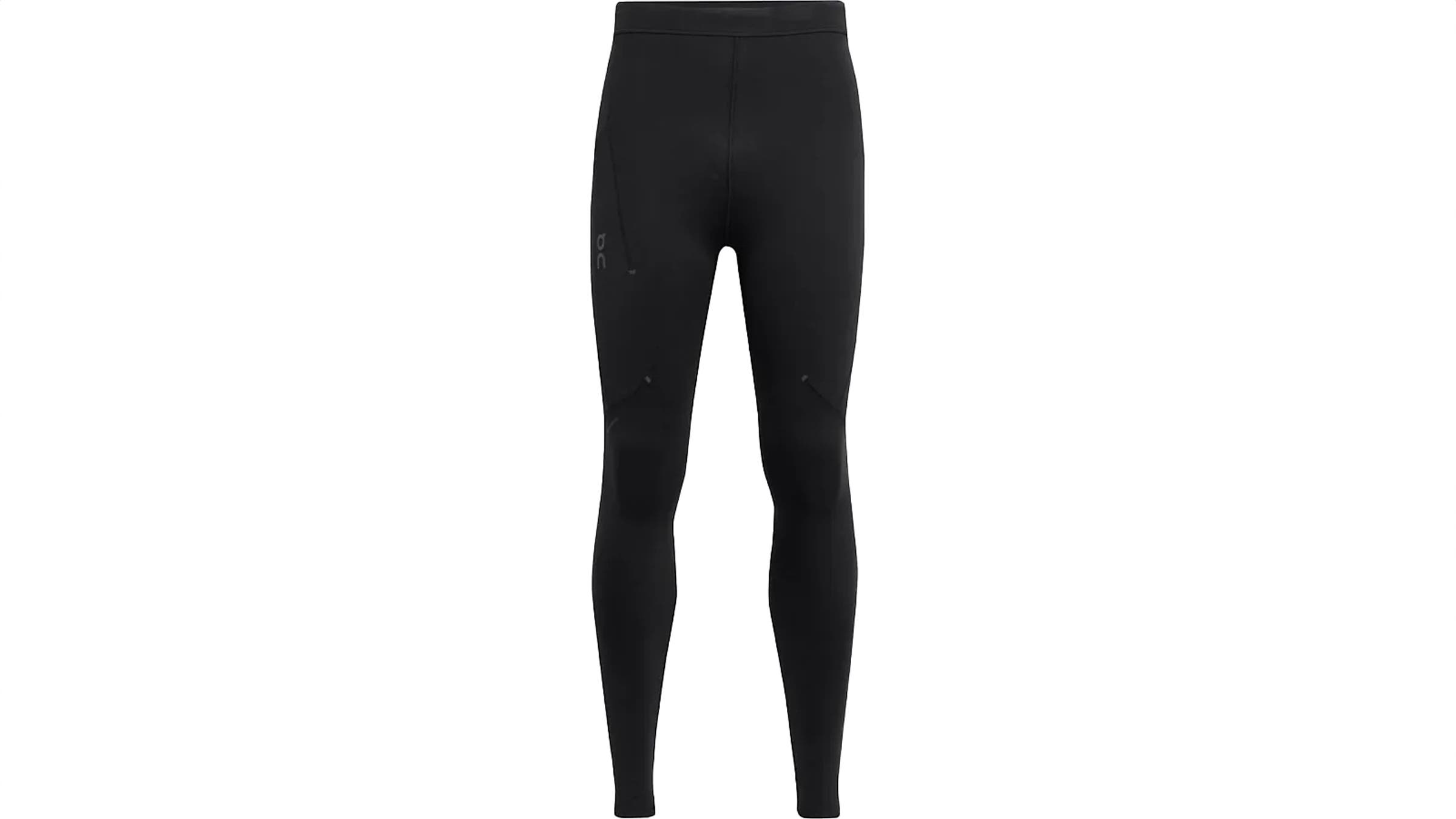
On Running Performance Winter Tights
Sizes: XS-XXL
Pros and Cons
+ Unmatched fabric comfort
+ Snug, supportive fit
– High compression feel is not for everyone
Unlike other tights that you want to pull off seconds after returning from a run, these On Running models were comfortable for extended post-workout stretching or even lounging. The 74 percent recycled polyester, 26 percent elastane fabric is buttery smooth, with reassuring muscle support that was especially noticeable when descending steep terrain. The fit is close, bordering on too tight for some testers’ liking, but the stretch was so great that everyone gave them high marks. The brushed fleece interior effectively wicks moisture, and details such as a comfortable flat drawstring, reflective patches, and abundant pockets also earned praise for these winter running tights.
Best Running Pants for Coldest Weather
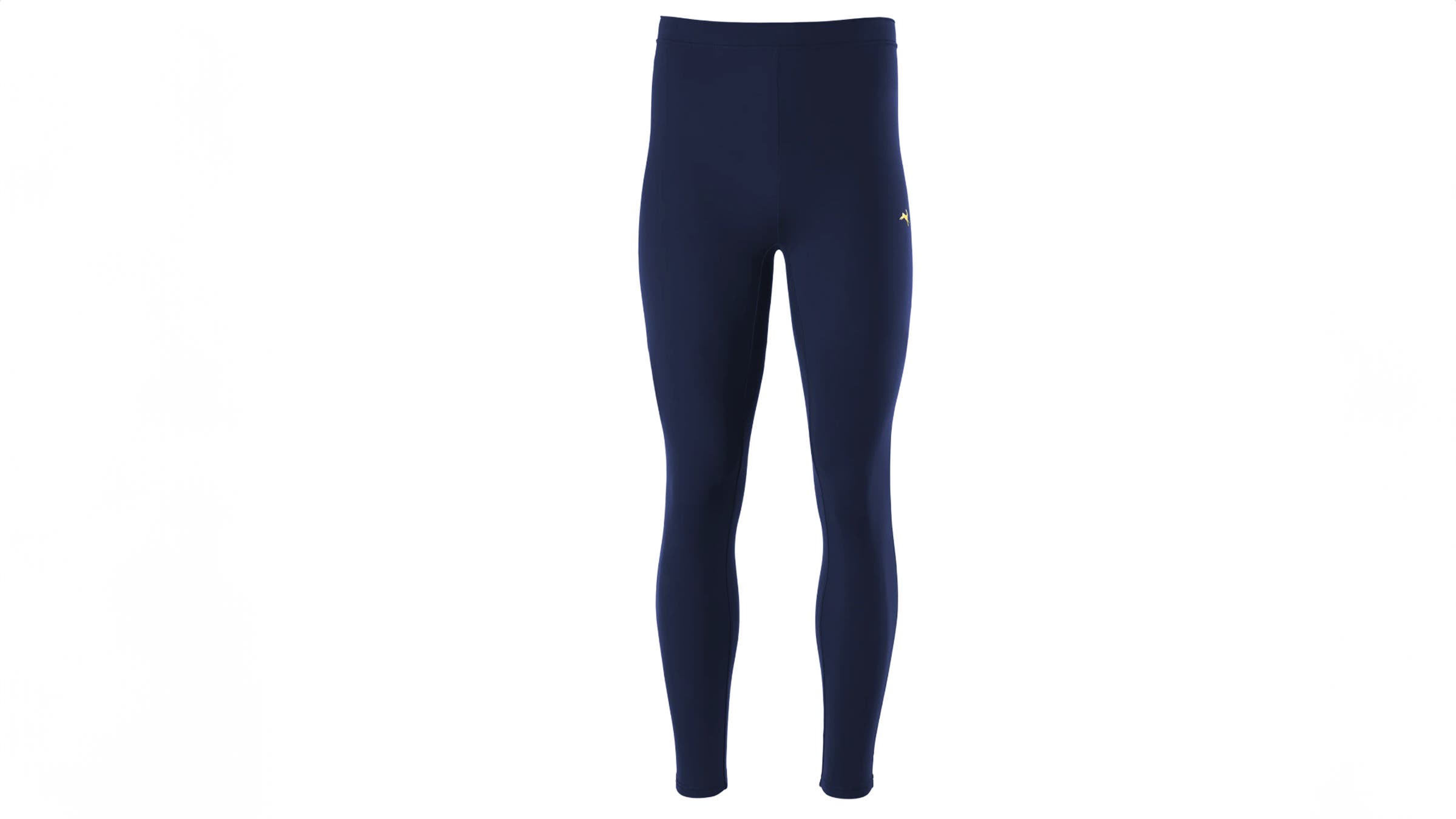
Tracksmith Turnover Lined Tights
Sizes: XS-XXL
Pros and Cons
+ Thick, soft, warm fabric
+ Lined and unlined options
– Phone pocket is a tight fit for most models
One tester wore the Tracksmith running tights for an hour-long, 40-degree run in steady rain and happily reported that they stayed comfortable throughout. The 80% Polyamide, 20% Elastane fabric, combined with a brushed inner layer, is a little heavier than most other tights, but with that heft comes outstanding weatherproofness, muscle support, and warmth. The three back pouches were easy to reach, but even the largest pocket didn’t accommodate large phones. The model we tested included a supportive liner that adds extra warmth where you need it most, but you might opt for the no-liner version if you prefer to wear running shorts underneath.
Best Value Running Tights for Winter
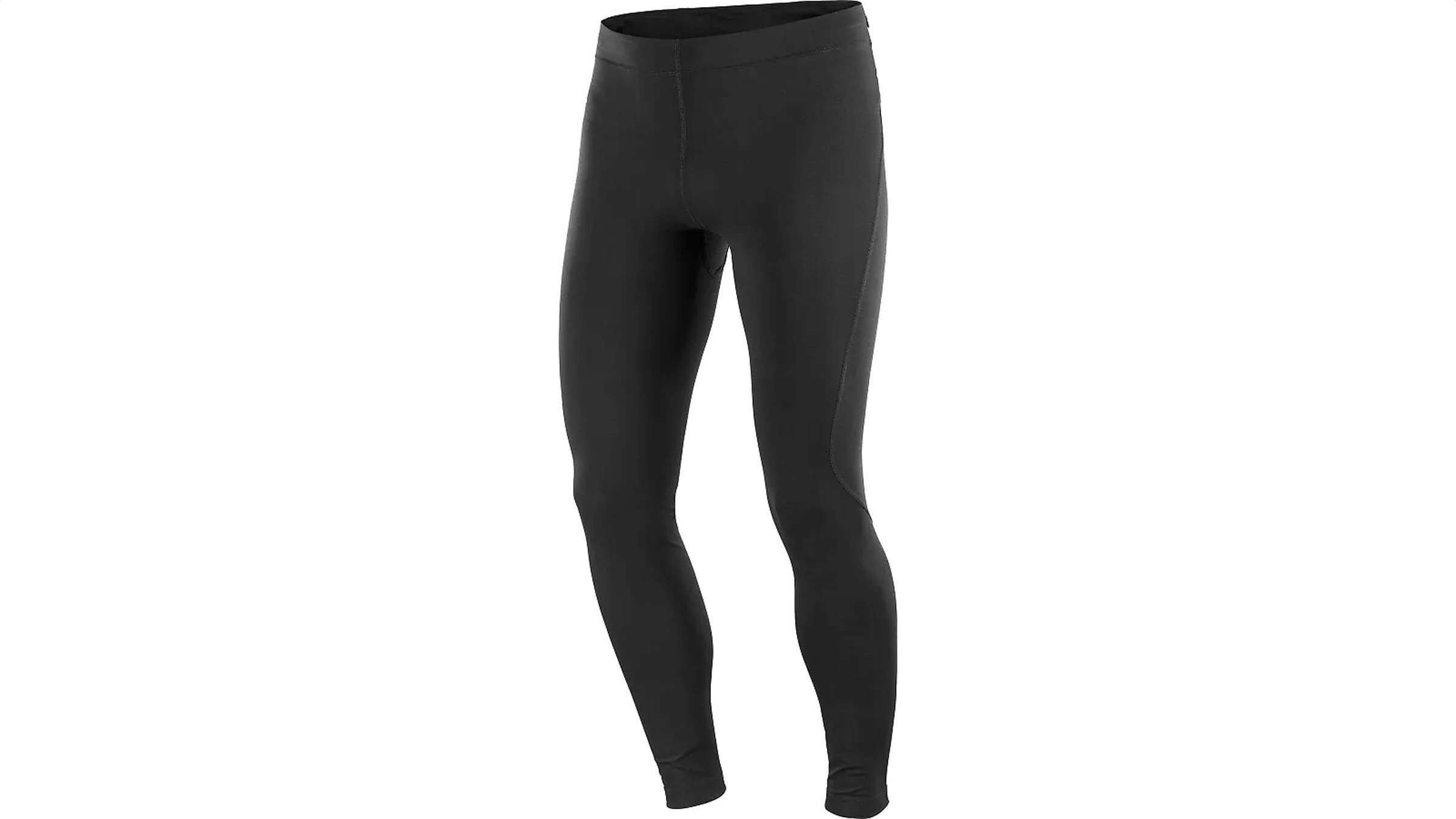
Salomon Shakout Core Tights
Sizes: S-2XL
Pros and Cons
+ Zippered and unzippered pockets
+ Reflective overlays
– No liner
Whispery light, with small waist pockets (one with a zipper) and a straightforward flat waist tie, these basic running tights offer everything you need and nothing you don’t, and provided more than adequate comfort and protection for most runs. The four-way stretch fabric felt good against bare skin and kept testers warm on mildly cold runs, but did not provide enough insulation for comfort at temperatures below about 30 degrees Fahrenheit. There’s no place to stash fuel, water, or a phone, but pair these with a pocketed running jacket or running vest and you won’t miss the storage on the running pants.
Best Running Tights for Winter Trail Running
Janji Trail Tight
Sizes: S-XL
Pros and Cons
+ Ample no-bounce pockets
+ Unrestricted movement
– No liner
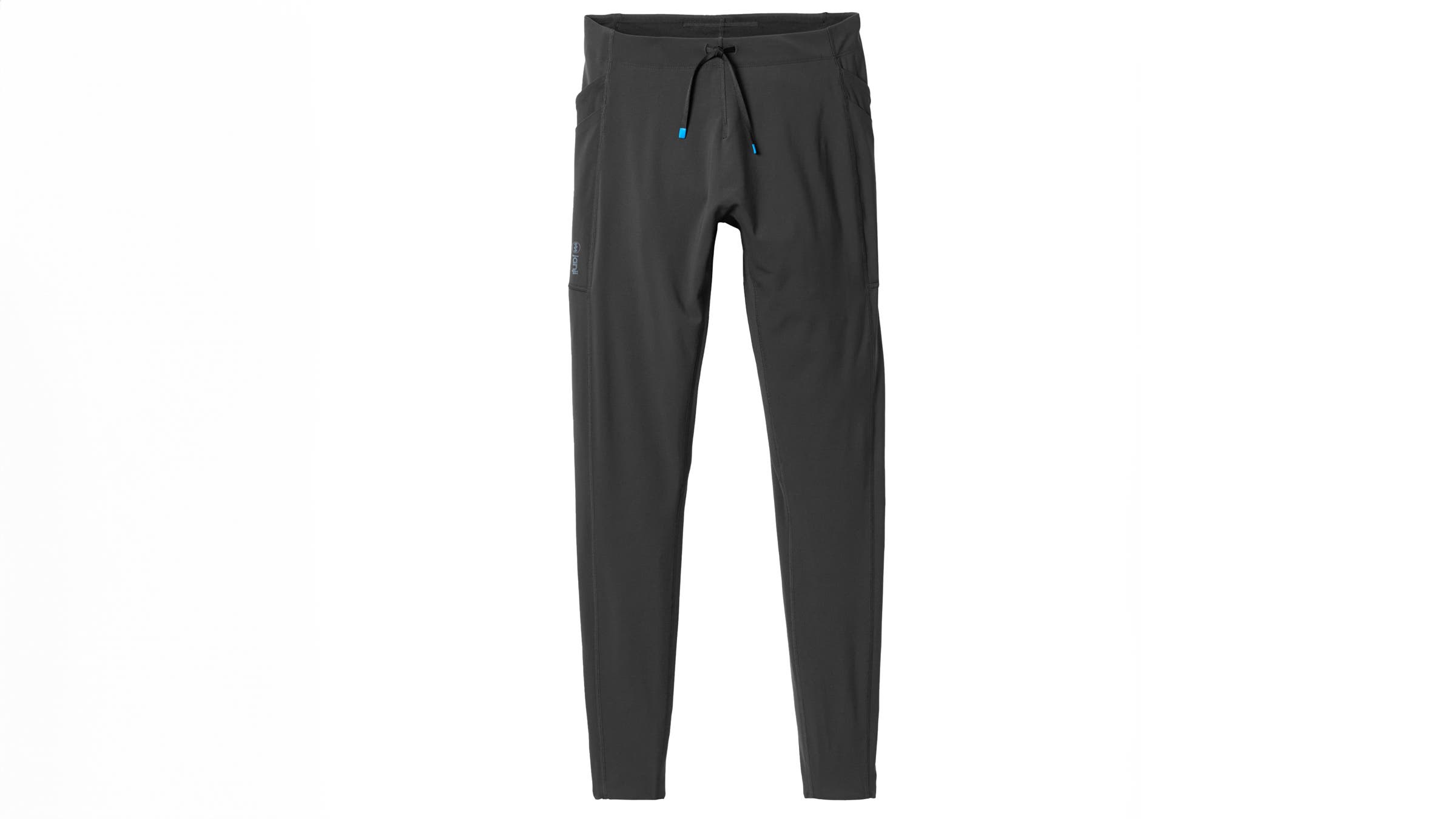
With two small interior pockets, four side pockets, and a back pocket, you might expect these running tights to feel bulky—but they never did. The unlined (save for a double layer of fabric up front) and high-stretch fabric provided unrestricted movement and enough warmth for temperatures down to freezing. In frigid weather, the Janji tights offered a little less protection than we hoped, but, on the flip side, they stayed comfortable when temps climbed into the 50s. The flat drawstring ties on the outside, so you can load all those pockets and still snug the waist up comfortably.
Best Running Pants for Low-light Conditions
Brooks Run Visible Tight 2.0
Sizes: XS-XXL
Pros and Cons
+ Zippered and unzippered pockets
+ Reflective overlays
– No liner
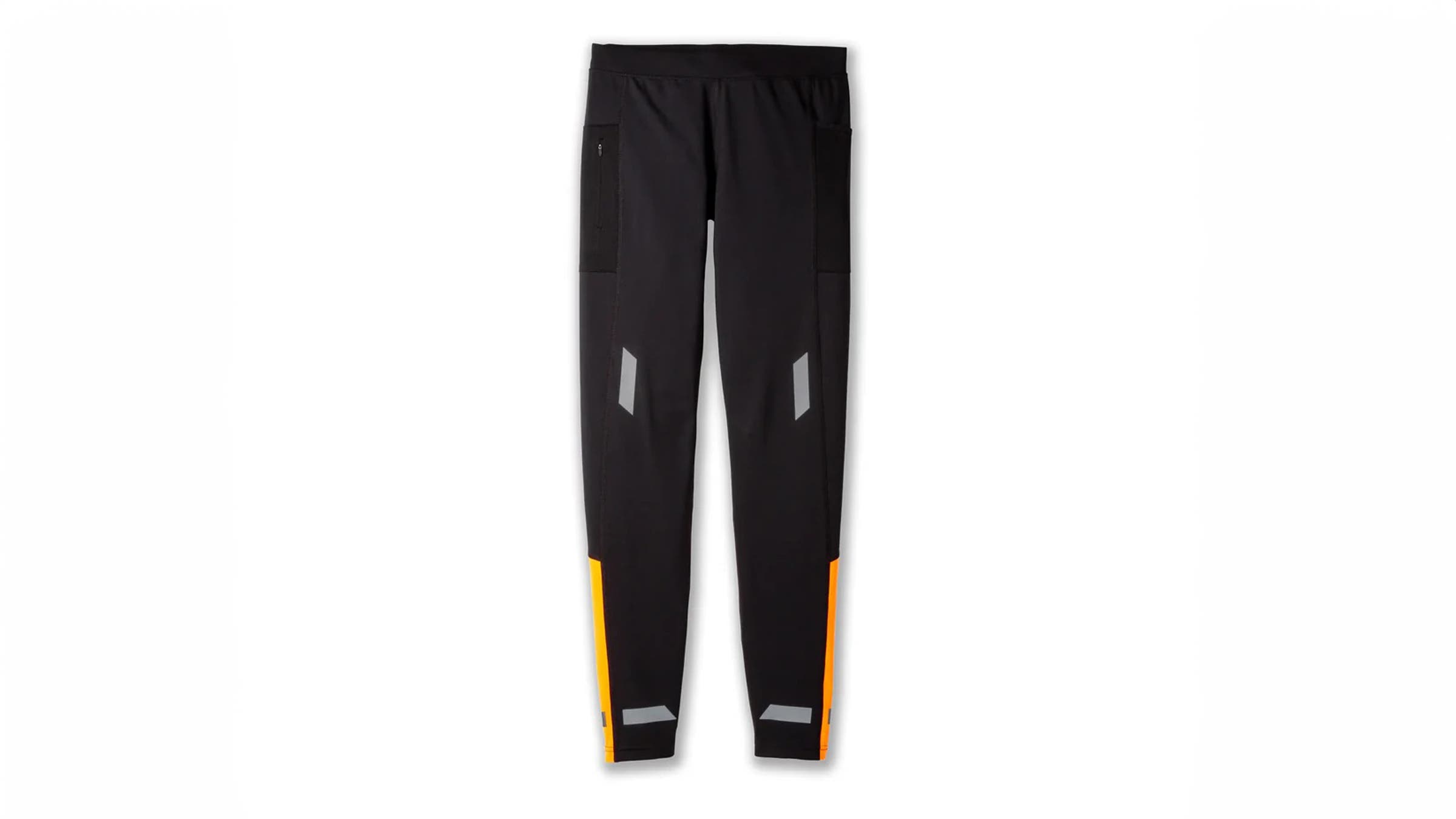
Reduced daylight in the winter months means more time running in dark and semi-dark conditions, which is when the DayGlo orange color panel and abundant reflective features on these tights added reassuring visibility. With dark comes cold, and the tight’s soft, medium-weight fabric was up to the task of keeping us warm after the sun set. The smooth waistband and flat drawstring were always comfortable, and a small zippered pocket, plus another for larger items, carried our keys and phones securely.
Most Versatile Men’s Winter Running Pants
Rabbit Victory Pants
Sizes: XS-XL
Pros and Cons
+ Relaxed fit
+ Tester favorites pre- and post-run
– Too loose-fitting for some tastes
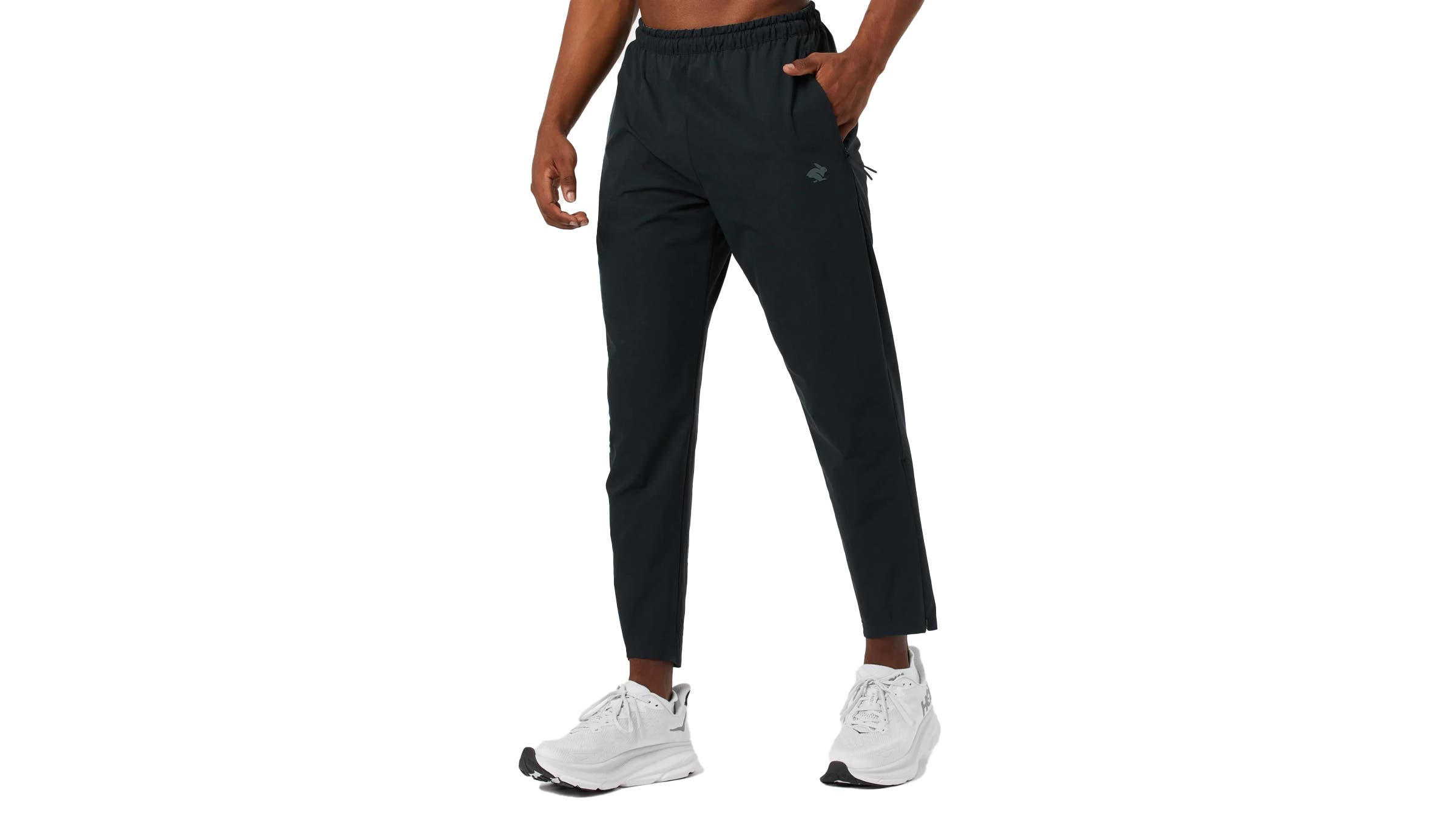
“These pants were comfortable during workouts, and I liked them even more for stopping at the donut store afterwards,” said one tester. Others were less enthusiastic about the roomy fit, with one tester suggesting he’d only wear them when he takes up yoga classes. The lightweight fabric provided enough warmth on cool to cold days, and felt smooth against bare skin, but the protection was too skimpy for frigid or windy conditions. Still, the Victory Pants earned high overall scores for their deep, zippered pockets, ankle zips that extend almost to knee height, a soft waistband, and a good-looking embroidered logo.
How to Choose Men’s Running Tights or Pants
Consider the relative advantages of close-fitting tights and looser-fitting running pants. Stretchy tights do more than just insulate—they also provide muscle support and can help improve circulation. In moderate temperatures, typically down to the low 20s Fahrenheit, tights work fine on their own. When temperatures dip below that, they’re easily combined with wind pants or a heavier outer layer, creating a highly protective combination.
ADVERTISEMENT
On the other hand (leg?), a pair of lightweight or midweight running pants offers improved modesty, comfort, ease of getting on and off, and freedom of motion. A downside is that the extra bulk means pants do not work as well for use as base layers. Running pants often provide roomier pockets, but what you place in them will bounce around more than whatever you can wedge into the pockets of tights. Pants also have the edge for non-running versatility—unless you’re cool with hanging it all out in the post-run coffee shop.
Once you know your style, fit and heat regulation top the list of priorities. Make sure the pants or tights neither constrict anywhere nor are too loose so that they get in the way or fail to stay up. The amount of insulation you need varies significantly from person to person. Consider the conditions you’ll be running in most often and whether you tend to run hot or cold. The best running tights keep you from freezing while you’re warming up then breathe and vent well enough that you don’t overheat when you’re working hard.
How We Test Running Pants and Tights
Mark Eller led the test crew for this review of running tights and pants. Based in Boulder, Colorado, he pursues running, cross-country skiing, snowshoeing, and other outdoor activities that keep him away from treadmills when the snow flies. He coordinated a team of testers in the High Plains and the Rocky Mountains who wore the gear in this review in a variety of cold conditions for many months before making their picks for the best running pants and writing their comments.
Meet Our Testers
Lead reviewer Mark Eller trains through the winter on the roads and trails near his hometown of Boulder, Colorado. He’s a three-time Boston Marathon veteran, a hack Nordic skier, and a competitive racer in on-water rowing events.
Brian Metzler is a freelance writer and the founding editor of Trail Runner. A former walk-on Division I track athlete, he mostly runs on mountainous trails nowadays in Boulder and Leadville, Colorado.
Kurt Actenhagen enjoys trail running, mountain biking, and exploring mountain ranges from the High Sierra to Colorado’s most remote peaks. He’s set Fastest Known Times and achieved ultra-distance milestones, but he also enjoys a leisurely hike.
Jonathan Beverly is no stranger to winter weather. He began running in high school on the Maine coast, trained for marathons for years in New York, and now can be found chasing windmills in the western Nebraska Sandhills, accompanied by his two dogs. He is the senior running gear editor for Outside.
