Published February 7, 2026 04:00AM
If you buy through our links, we may earn an affiliate commission. This supports our mission to get more people active and outside.Learn about Outside Online's affiliate link policy
New to Winter Hiking? Start With This Gear.
Here are the winter staples we recommend, from ways to illuminate your path, to the layers and boots that will save you.
I have to admit, I’m no extreme sport guru or an athlete in any sense, but I am trail-obsessed, especially through the winter months.
Hiking is my way to stay outside, push and increase my limits, and maintain a connection to my body and the earth. I love spring and summer months on the trail in the beautiful PNW where I live, but there’s something especially enchanting about winter hiking.
The catch: gear. When the temps drop and the windchill bites, your winter hiking gear has to be taken more seriously than it does in temperate, pleasant climates. I learned the hard way last winter, specifically when it came to footwear (more on this later). Frozen, wet feet? No bueno.
As you know, here at Outside, we spend thousands of hours field-testing pieces. Here are the winter hiking staples we recommend, from ways to illuminate your path, to the layers and boots that will save you from cold, dark, unpredictable winter conditions.
Winter Hiking Clothing
I still remember the moment I learned my lesson on the importance of layers when hiking in winter. It was in the dead of winter in a tent on a lake near my house, one of the first times I tried outdoor rec in the winter. I thought a basic layer, button up coat, and blanket would be enough, since there wasn’t snow (as if that’s the indicator). It wasn’t, and I ended up retreating to the safety of my car. I now know how crucial it is to keep your core well-insulated to regulate and maintain heat. Base layers are designed to draw out sweat in order to keep your core as dry as possible. The mid layer locks in your body heat. And the outer layer shields against the harsher elements.
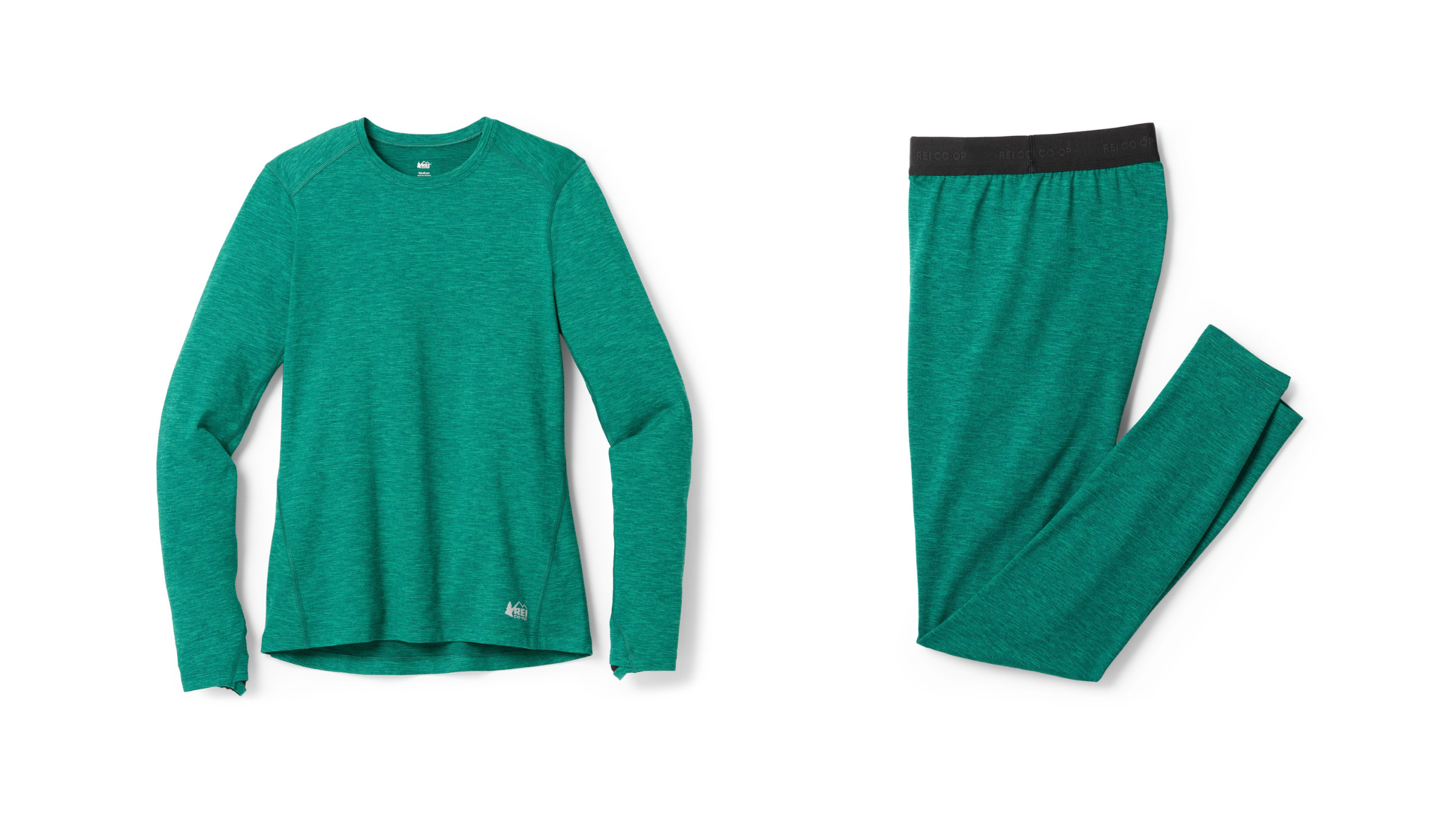
For base layers, Outside editors love the REI Midweight Long-Sleeve Base Layer Tights ($55) and the Midnight Long-Sleeve Base Layer Top ($55). My favorite thing about this set is how stretchy the items are. They’re easy to adjust through outer layers, which I find is important while hiking.
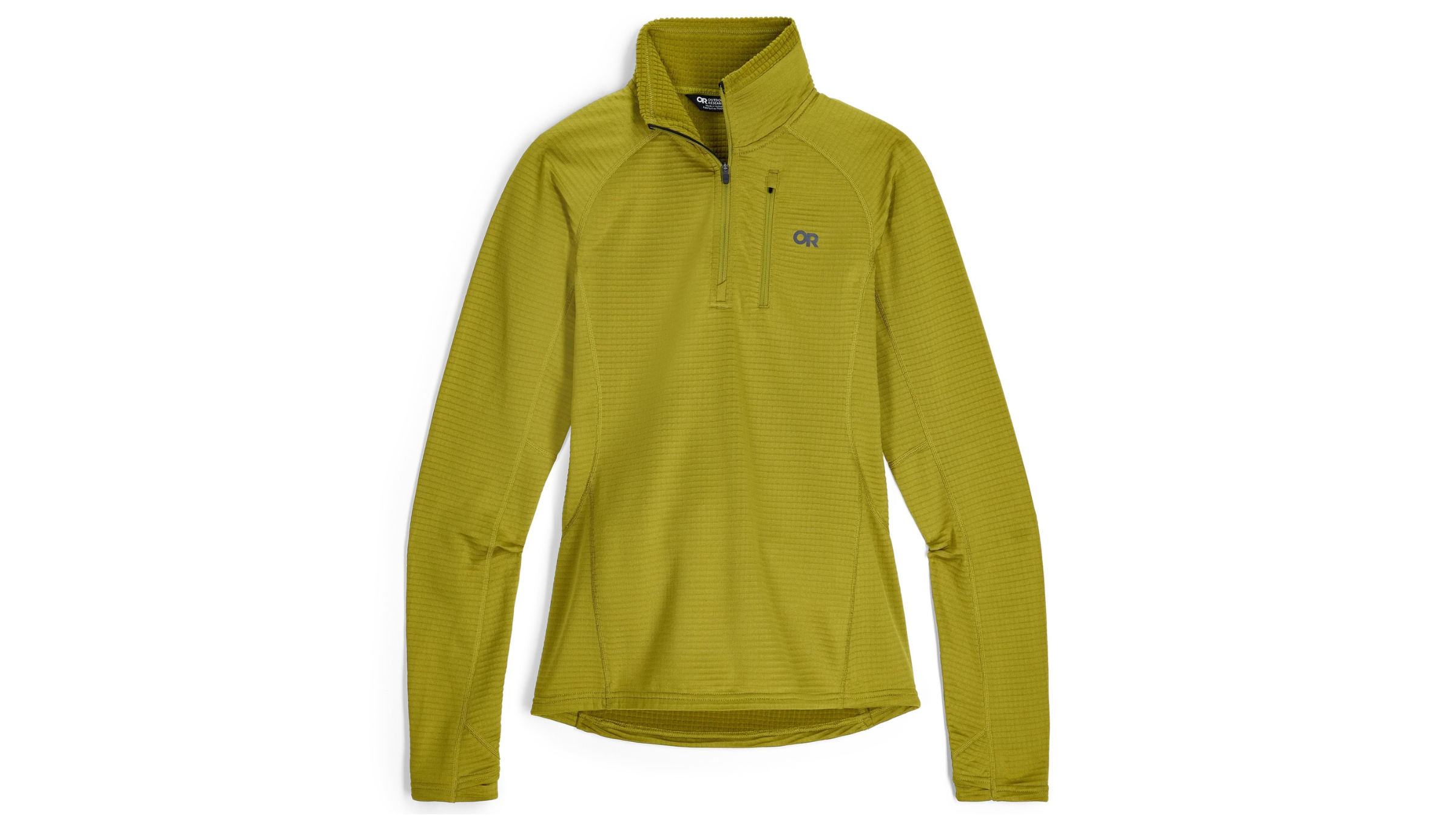
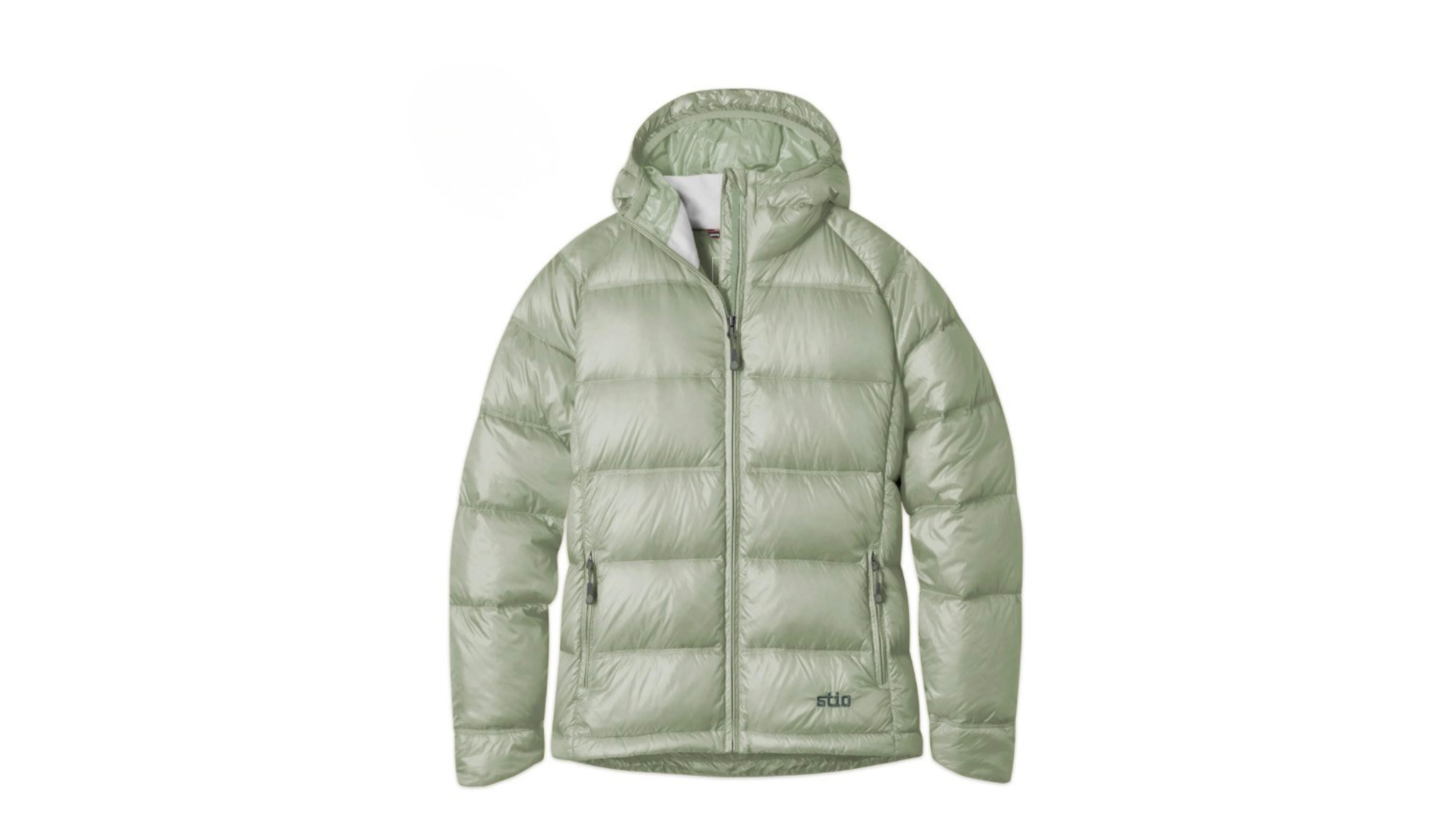
For a midlayer, our editors love the Outdoor Research Vigor Grid Fleece Quarter-Zip Pullover ($110) that features thermoregulating ActiveTemp™ fabric treatment great for keeping you at the right temp through high-exertion activities. Lastly, I recommend the Stio Hometown Downed Hoodie ($350) for a jacket. My Stio has keep me warm through many winter hikes, even when the temperatures are hanging around 20 degrees. Mine is a size up so I can fit layers underneath, but you can get it fitted to provide space for an outer layer, which is good for extreme winter weather.
REI Midweight Base Layer Set
Vigor Grid Fleece Quarter-Zip Pullover
Stio Hometown Downed Hooded Jacket
Winter Hiking Footwear
Remember that faux pas I mentioned earlier about finding myself stuck in harsh elements in the wrong shoes? Classic noob mistake that I’ll never make again. Just because a shoe is marketed to hikers, doesn’t mean it’ll survive the wet, icy trails. There are winter hiking boots out there specifically designed to provide critical protection and better traction for hikers. And there are even accessories you can add to your boots, imperative for elevated climbs.
ADVERTISEMENT
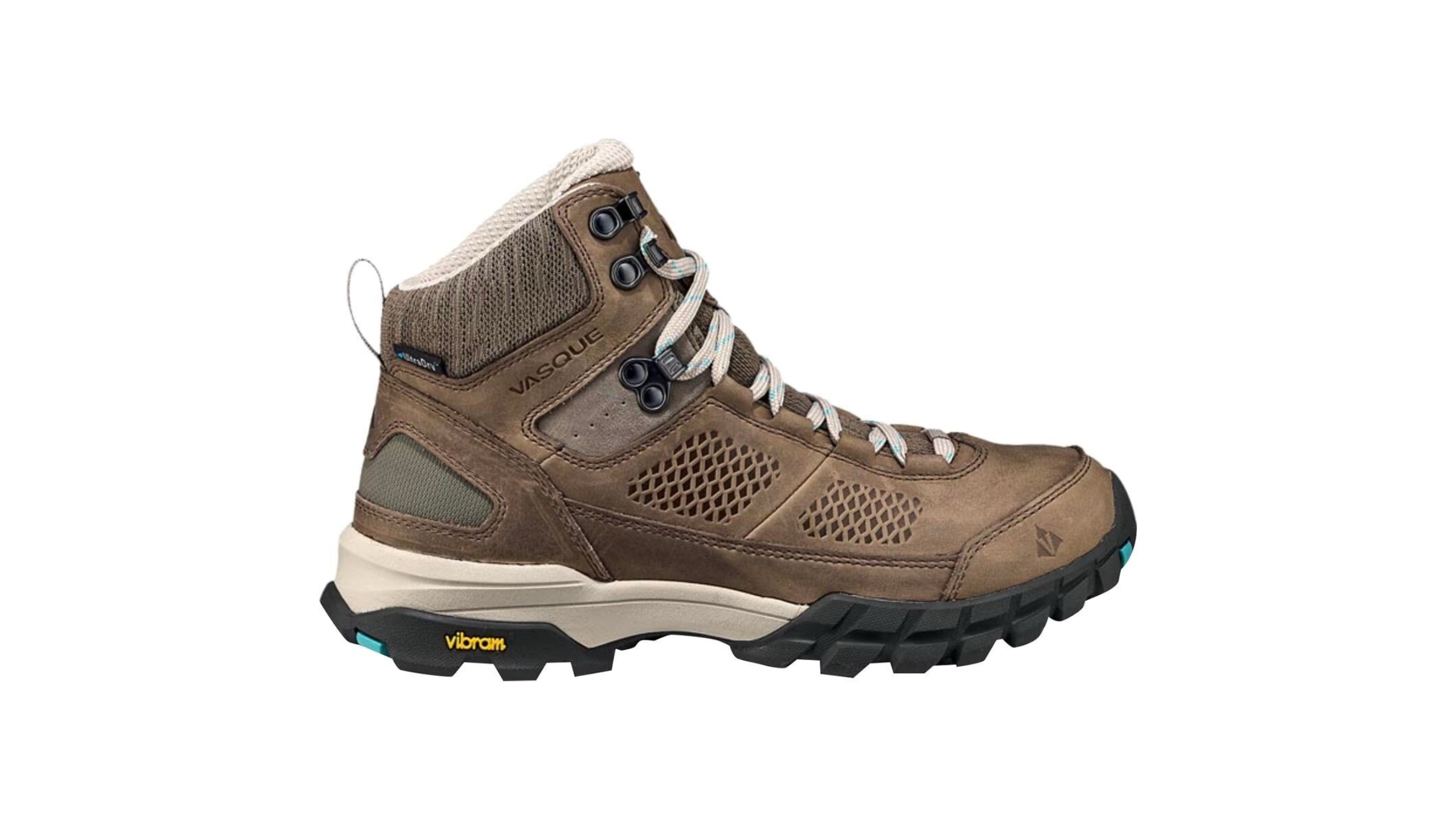
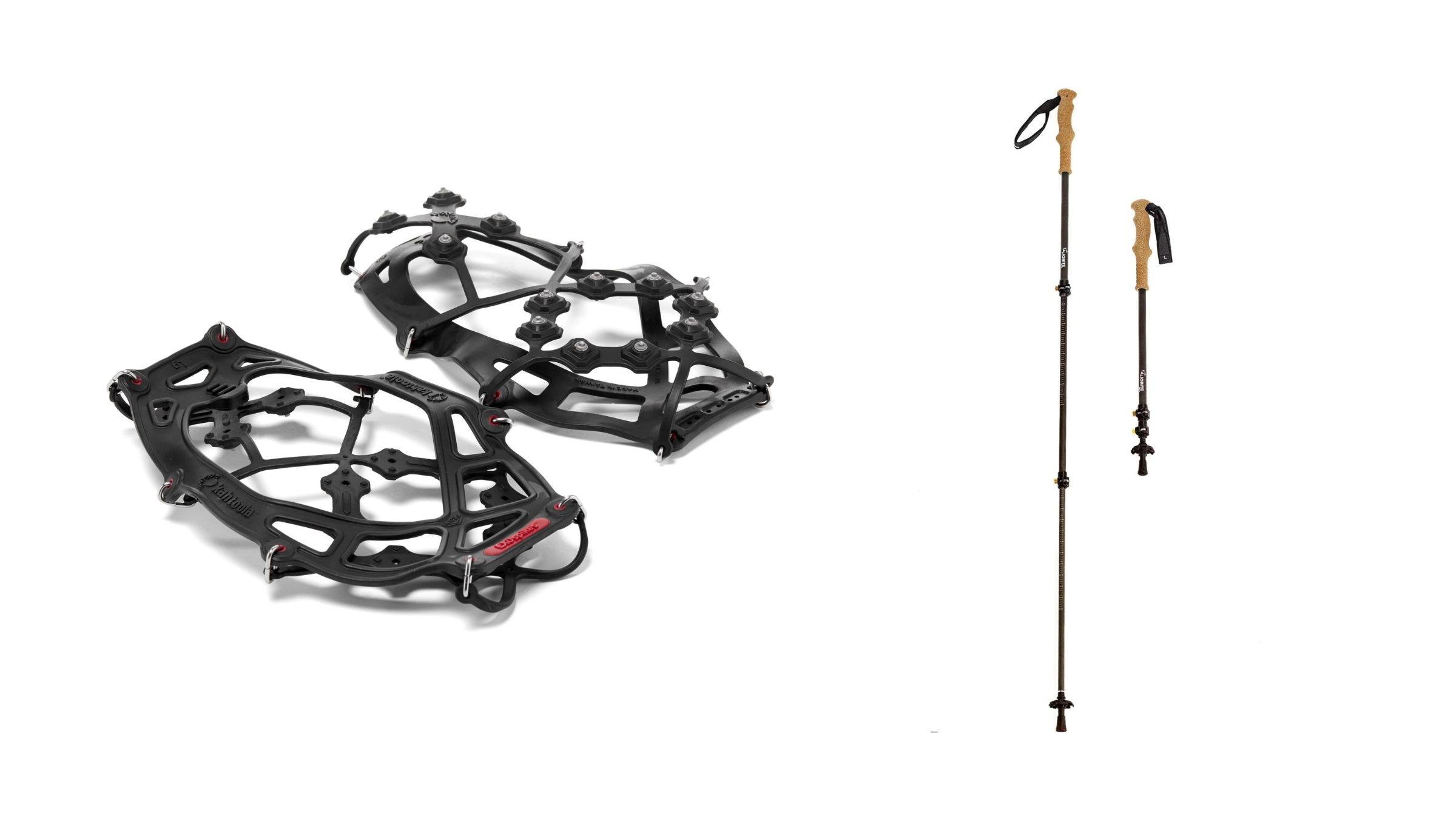
According to our editors, the best winter hiking boot that will do its job through the cold-weather months is the Talus AT UltraDry Hiking Boot (retails for $170; currently discounted to $43). Talus UltraDrys protect the ankles from harsh weather conditions, provide traction with sharp lugs on the soles, and feature materials that keep the feet warm and dry. If you’re going to add a microspike, we recommend throwing in some EXOspikes ($75). If you’re planning on a more uphill climb, the most durable trekking poles out there are the Diorite Telescopic Carbon Fiber Poles ($190).
Talus AT UltraDry Hiking Boot
Microspikes and Poles
Winter Hiking Accessories
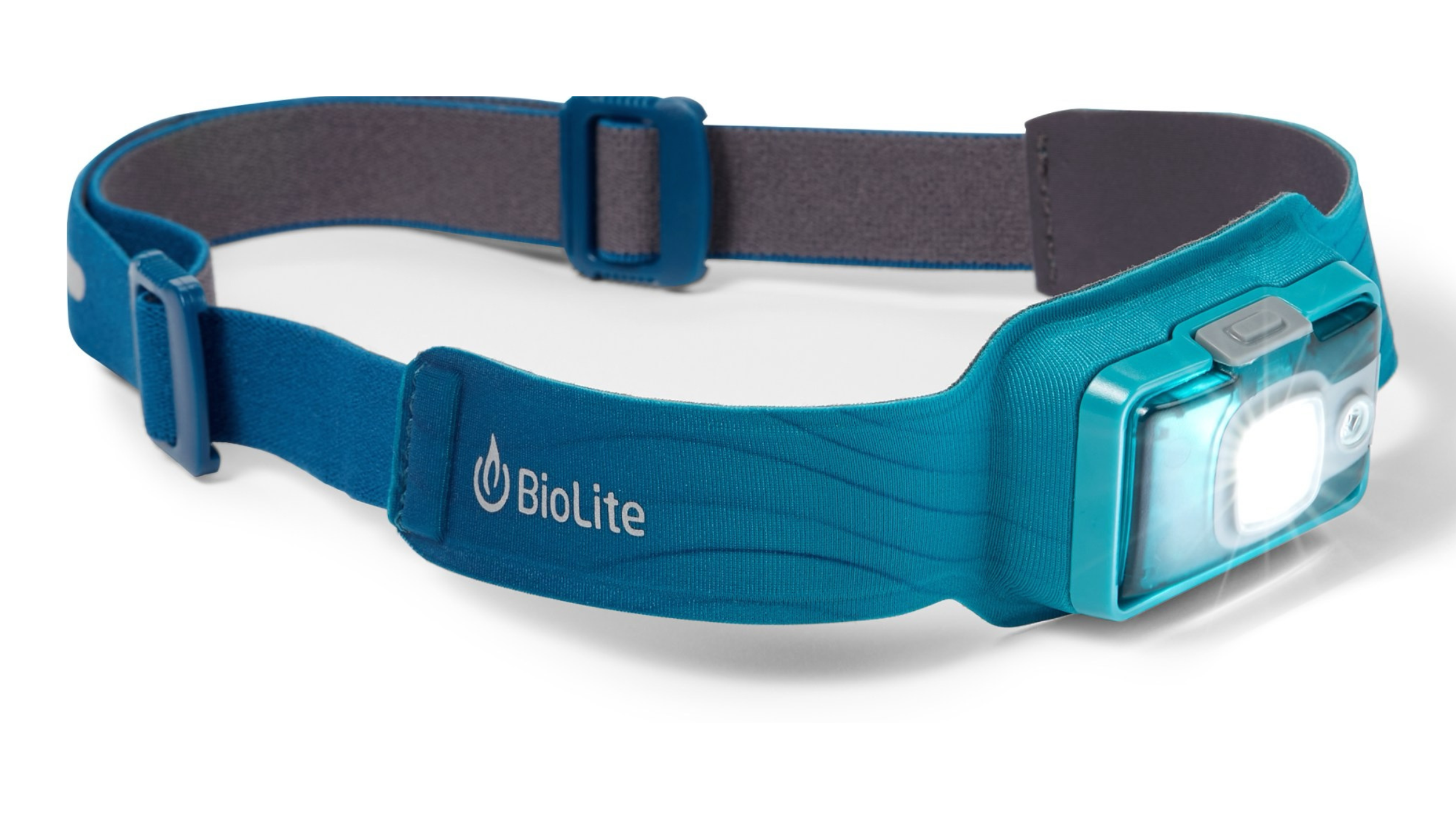
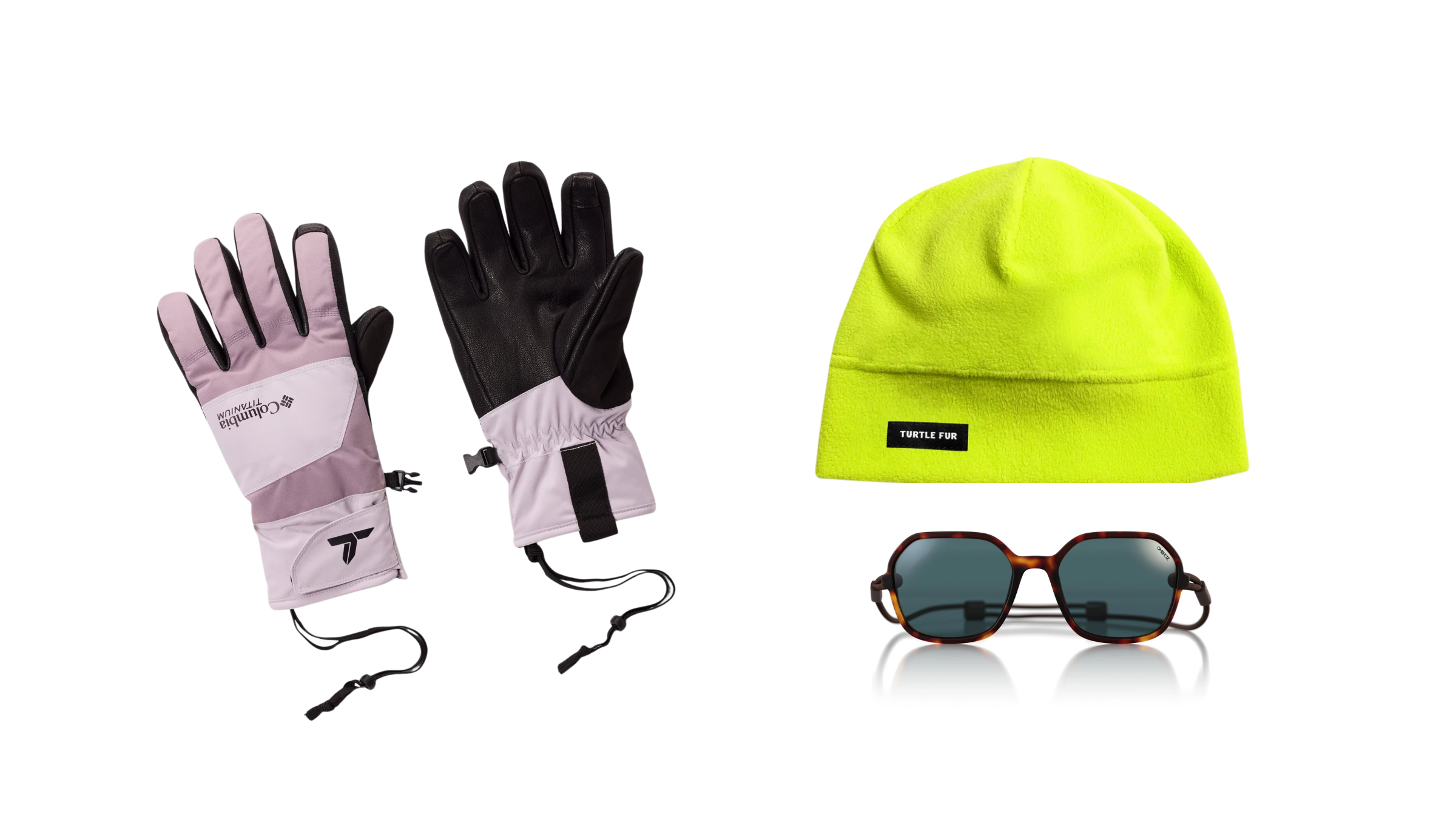
Accessories are just as important as your core items (layers, boots, coat) are. Fickle weather brings in cloudy moments and a less illuminated path. Hiking with a headlamp, no matter which season or weather pattern you’re facing, is vital to your safety. Our editors’ choice is the BioLite 325 ($50). Just under your headlamp should be a multi-season beanie like the Turtle Fur Chelonia 150 Fleece Beanie ($22) specifically designed to provide thermal insulation. Pro tip: purchase one in a neon color to help others identify you out on the trail. Keep your hands warm with Columbia’s PowBound gloves ($75). If you’re surrounded by snow, all-weather sunglasses are a must. Something like Ombraz’ Cammina Sunglasses ($160) will keep your eyes protected and have a strap to keep them secured to your head as you move.
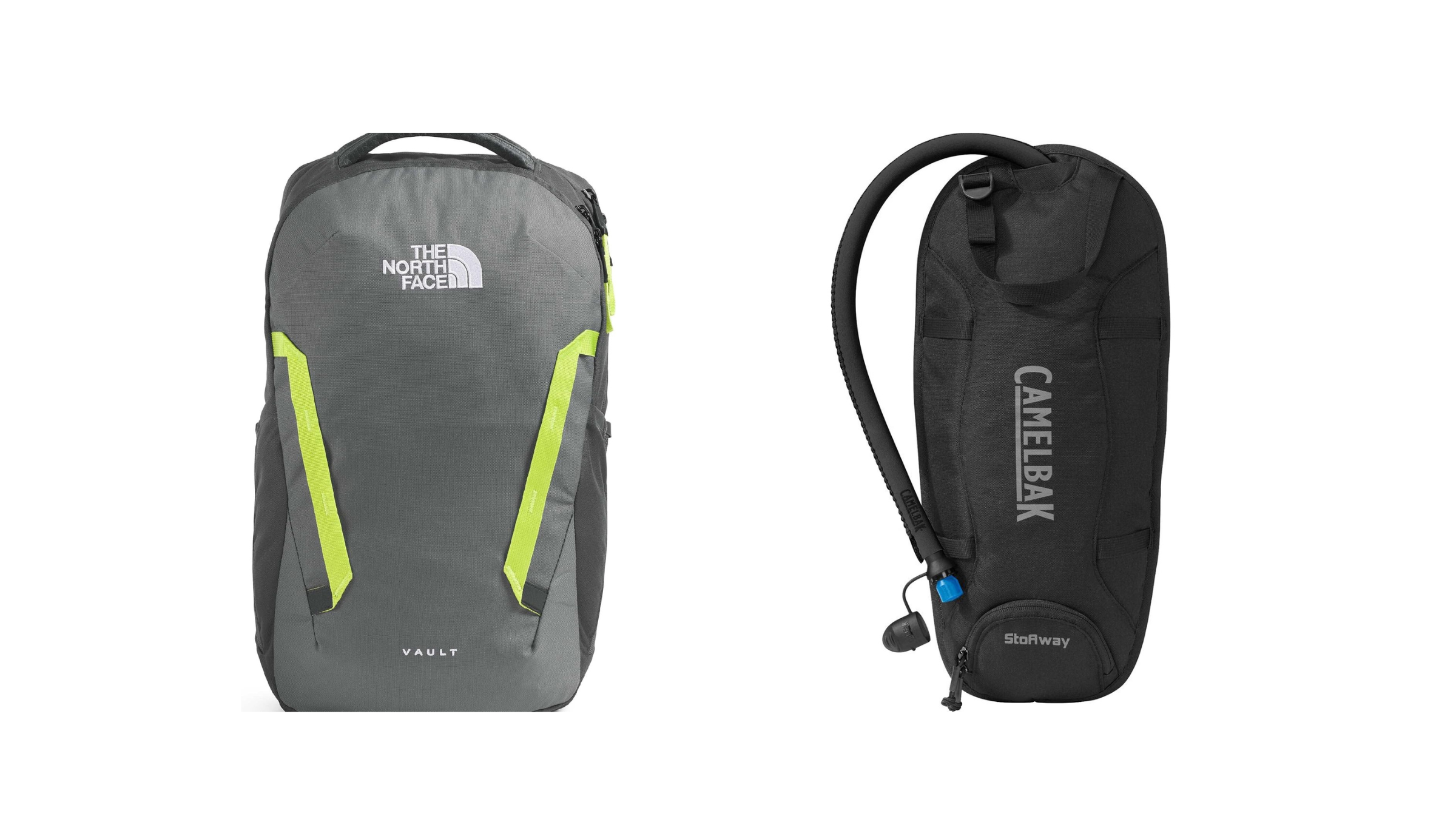
We can’t forget to highlight a good beginner hiking backpack. Our editors love The North Face Vault ($70), your everyday, water-resistant bag in which you can throw in some high calorie snacks, a navigation tool, fire starter, and a first-aid kit. And don’t forget an insulated hydration reservoir. Any will do, but we love Camelbak’s Stowaway 3L bag ($$66) that can easily slide into your pack.
BioLite Headamp 325
Beanie, Gloves, and Glasses
Backpack and Insulated Hydration