Published February 3, 2026 04:00AM
If you buy through our links, we may earn an affiliate commission. This supports our mission to get more people active and outside.Learn about Outside Online's affiliate link policy
Best Running Socks for Every Style and Preference
I ran more than 2,000 miles over nine months of testing to find the best socks to keep you comfortable in any weather.
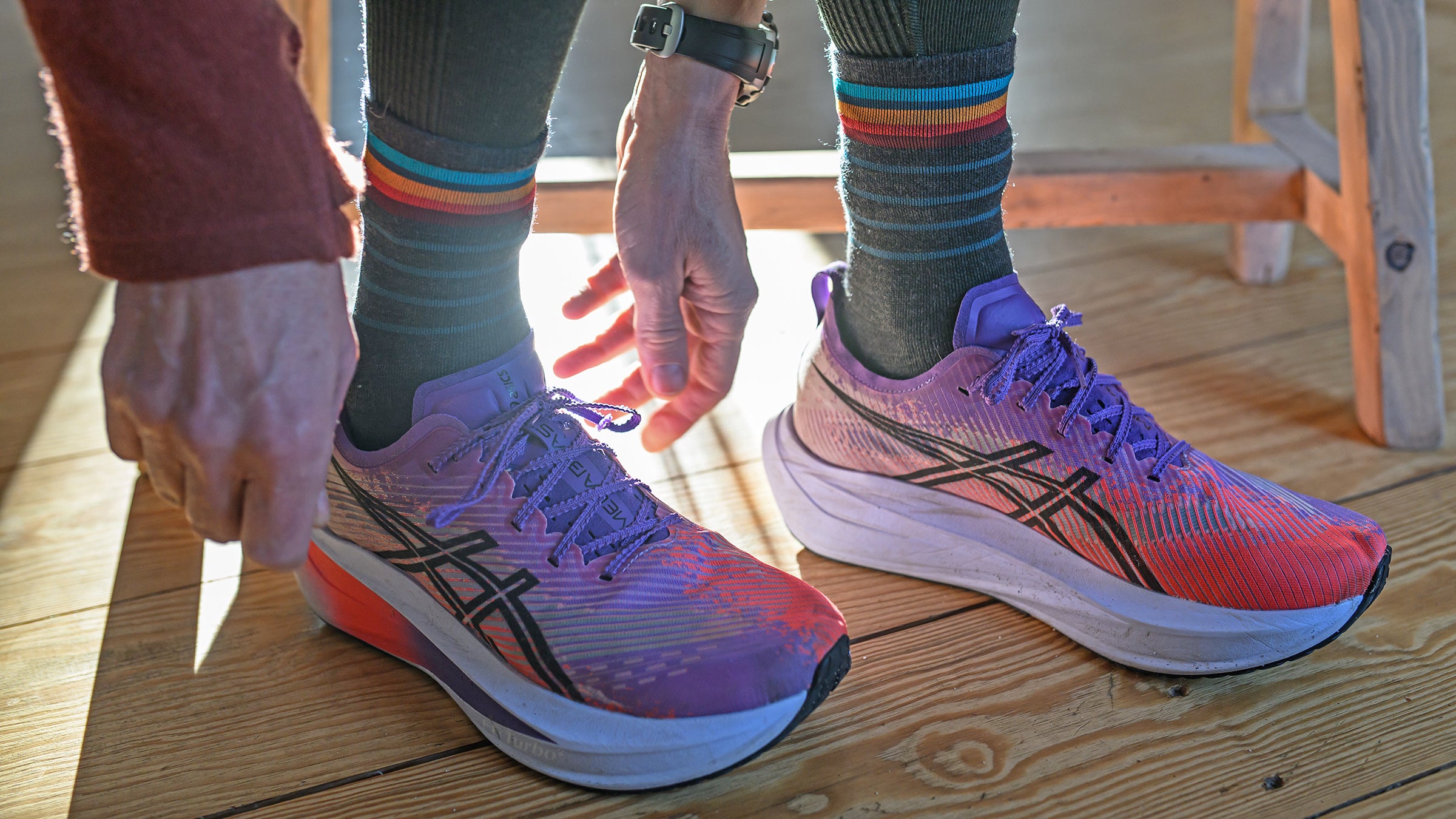
The right running socks can make you more comfortable and protected. The wrong ones can make your life miserable. (Photo: Stacey Cramp)
Table of Contents
Running socks are like air traffic controllers—taken for granted until something bad happens. The best running socks quietly stay in the background while protecting from abrasion, wicking moisture, providing underfoot comfort, imparting warmth, and, if you’re shallow like me, adding flair to your outfit.
That’s a lot to expect from a seemingly simple wardrobe staple. Fortunately, there are lots of brands up to meeting the challenge. For runners, the challenge is choosing among the scores of good socks.
As with other types of running apparel, the best socks for running tend to be made by specialty brands rather than shoe companies. Most of the socks that I singled out as superior are a blend of synthetic and natural fibers, with merino wool being the most common of the latter. The quality of the merino socks I tested is much higher than was the case a decade ago. Now, even the staunchest merino mavens acknowledge that the fiber is enhanced in socks by adding nylon and other materials for better stretch and durability.
The 11 running socks below represent the best of what I tested. They run the gamut, from barely-there thinness to plushly padded, and from no-show to knee-high, with something to suit every preference.
Best Running Socks: At A Glance
- Best Running Socks Overall: Darn Tough Stride Micro Crew Ultra-Lightweight ($21)
- Lead Pack, Mid-Height Running Socks:
- Best Toe Socks: Injinji Mini-Crew Midweight Padded Trail Socks ($17)
- Best No-Show Running Socks: Tracksmith Speed No Show Sock ($20)
- Best Knee-High Running Socks: Smartwool Targeted Cushion Over Calf Socks ($30)
Best Running Socks Overall
Darn Tough Stride Micro Crew Ultra-Lightweight
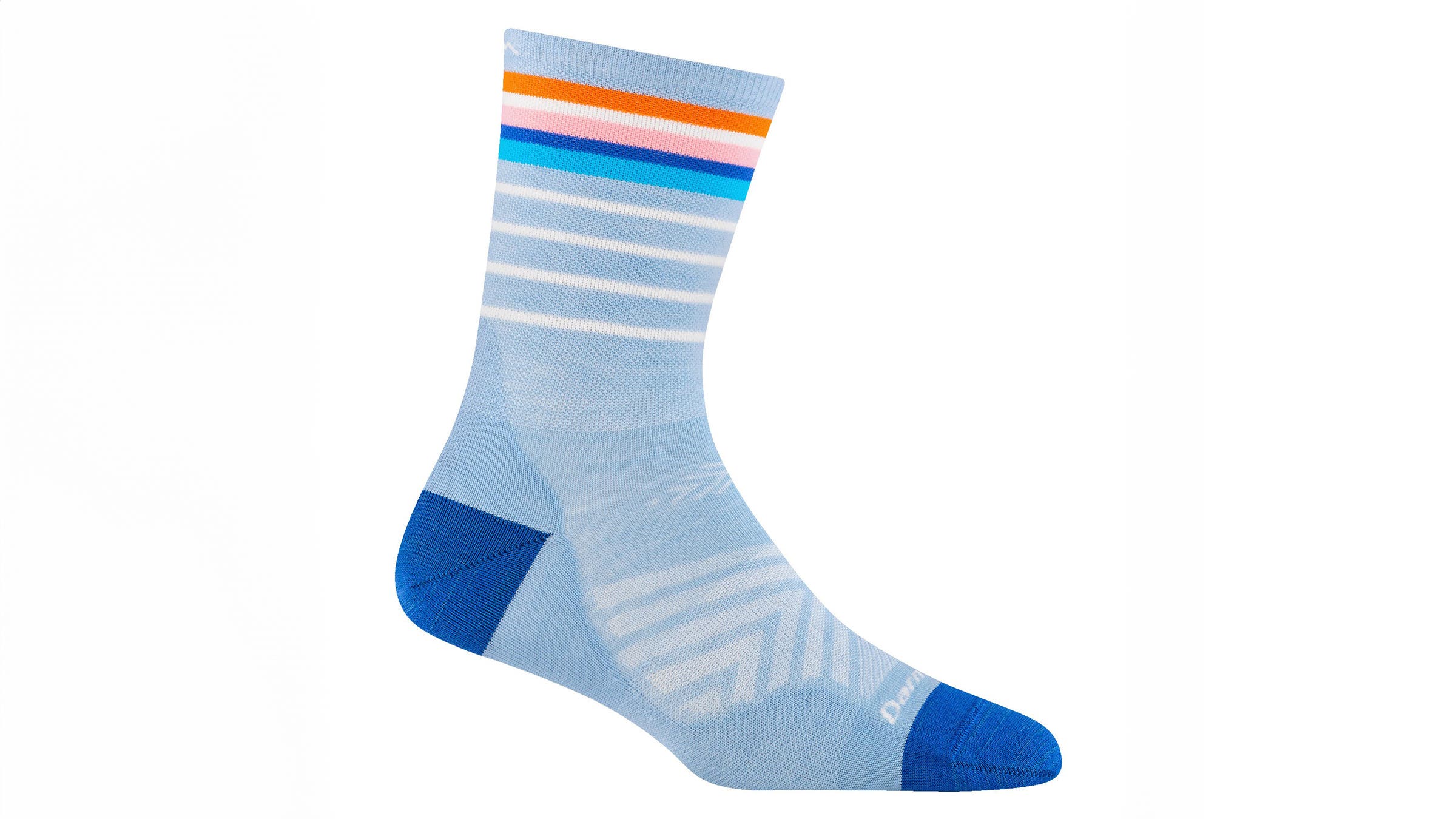
I can’t say enough good things about these running socks. The merino/nylon/spandex blend hits all the right notes—excellent moisture management, a performance fit that doesn’t bunch or slip, a just-right height equidistant between ankle and calf, and a surprising amount of warmth even in single-digit temps. Darn Tough says they have zero cushion and should be paired with racing shoes. I disagree on both counts. The fabric is thick enough to provide the perfect amount of foot protection even on rocky, rooted trails, and I happily wear them with all sorts of shoes. Adding to their charm is Darn Tough’s no-questions-asked lifetime warranty, making the reasonable price that much more of a value.
Excellent Mid-Height Running Socks
These running socks are all what we might call “crewish” length—their top is somewhere between above the ankle bone and below the middle of the calf.
Bridgedale Trail Run Lightweight T2
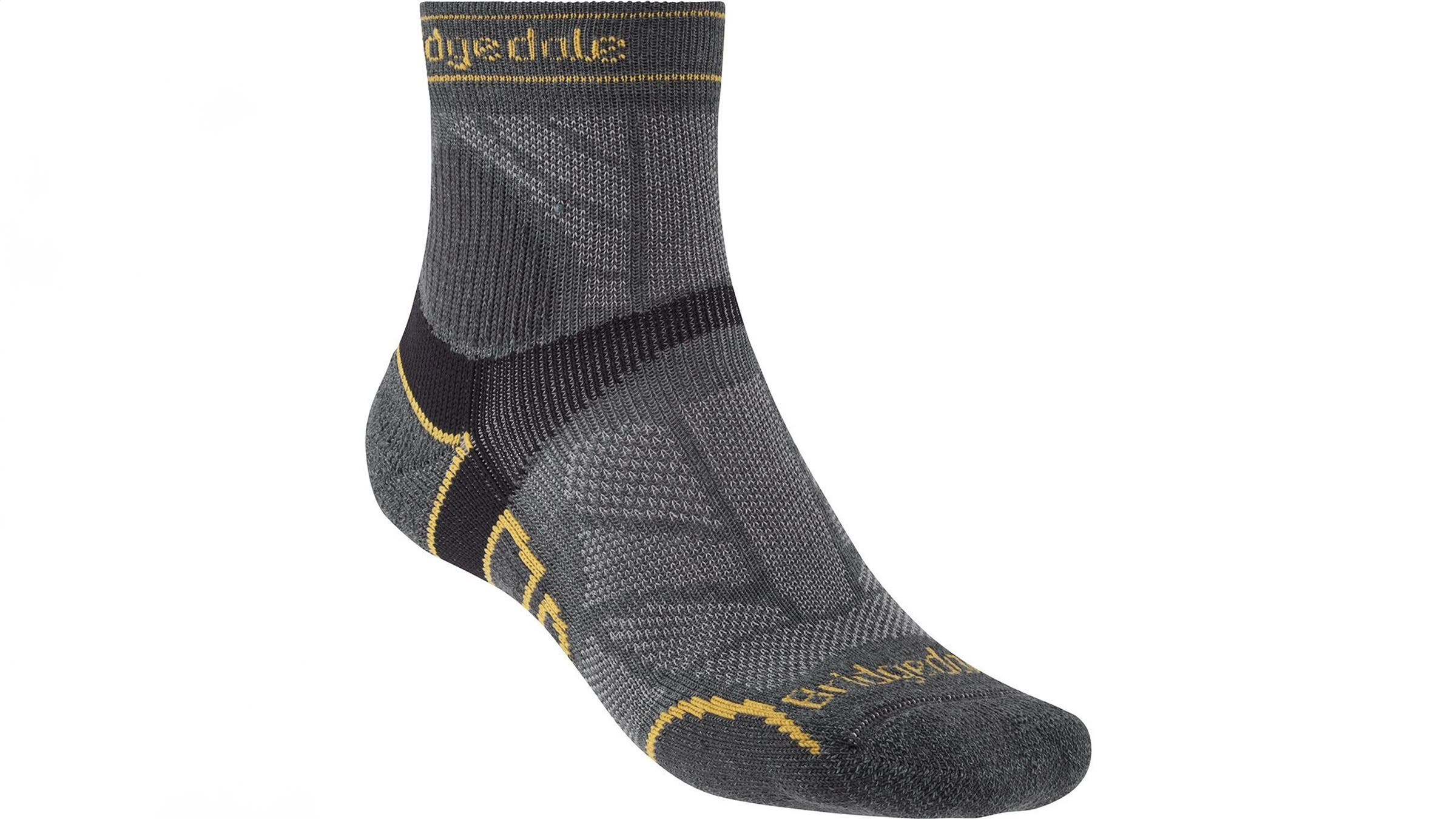
Heritage British brand Bridgedale reentered the U.S. within the past year, and jolly good of them for doing so! These are no-nonsense, medium-thick running socks that provide understated comfort and fit well within a wide variety of shoe types. Until I looked at the label, I thought they were primarily merino with some supplementary polyamide (nylon). In fact, they’re a durable blend of 62% polyamide and 18% merino, with the rest small amounts of polypropylene and elastane (Lycra). Mine show no wear after many miles on muddy trails.
Courier The HiFi
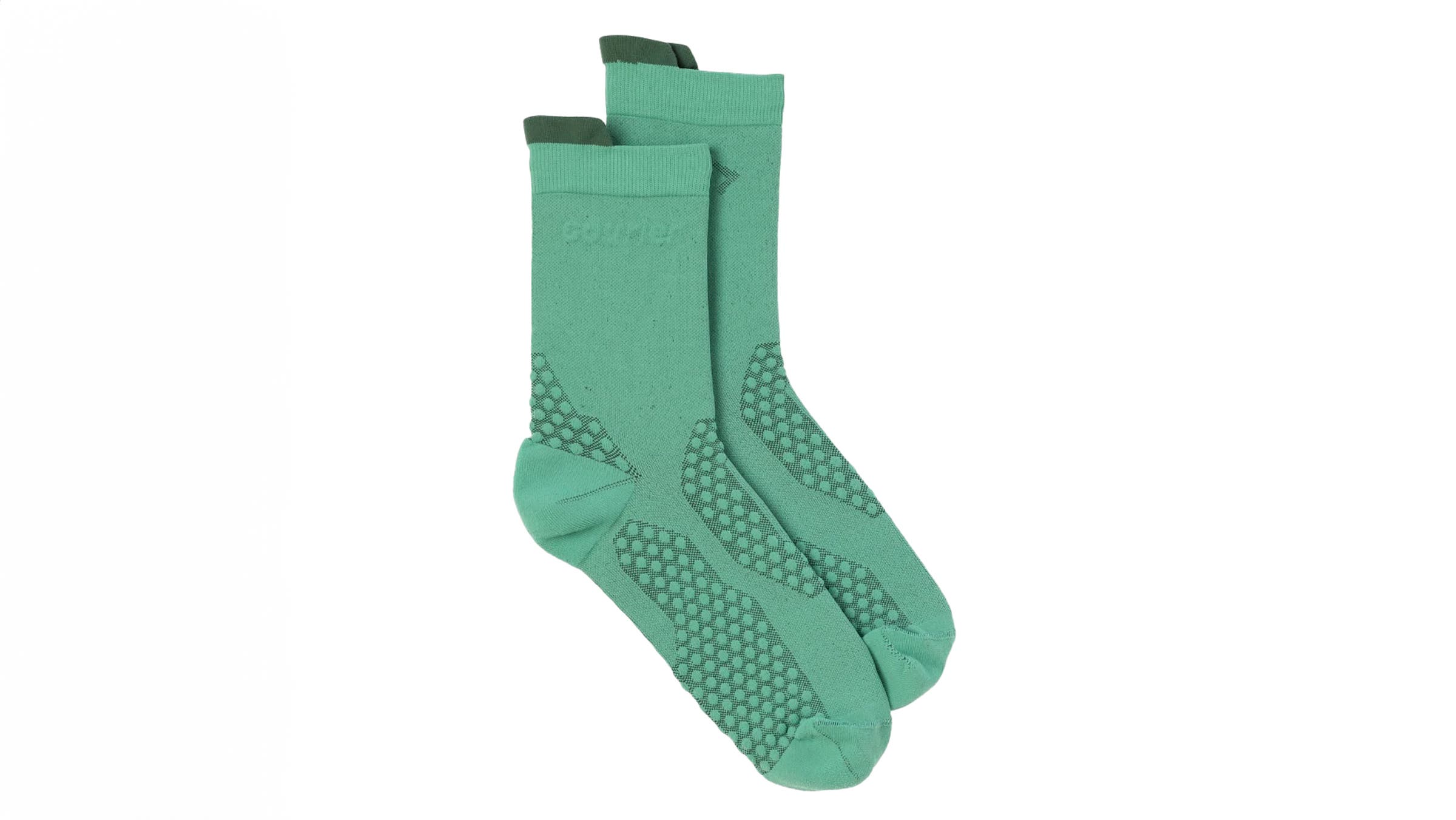
New brand Courier says its socks are “for runners who ride and riders who run.” I’m too boringly married to running to be part of that target demographic. But I can report that the socks feel great on the run despite looking like many of my wife’s cycling socks. They’re a classic crew length with modern details, most noticeably the “pods” in high-impact areas that provide pinpoint cushioning without crowding the foot within shoes. The nylon/elastane blend produces a close yet comfortable fit. And, true to the cycling part of the mission statement, they’re more stylish than generic running socks.
Kuiu Lightweight Performance Sock
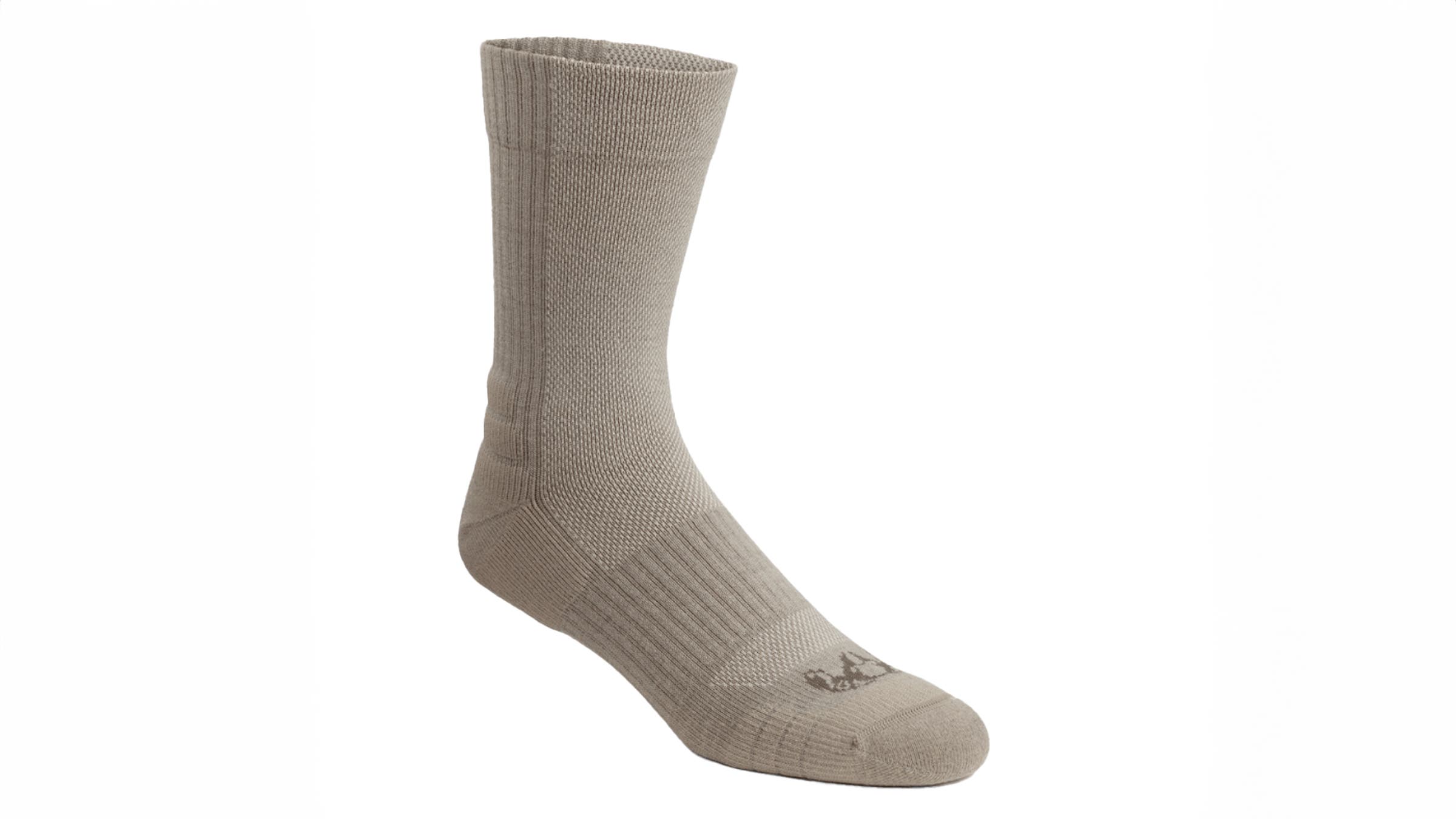
You know whose feet get at least as cold and wet as runners’? Hunters’. As our roundup of the best hunting clothes details, modern high-quality hunting gear can work well for many outdoor pursuits, and Kuiu makes some of the most versatile hunting apparel. These high-crew socks provide great moisture management and have an excellent warmth-to-weight ratio, thanks in part to the magic of the innovative merino weave Nuyarn. They’ll be a staple for me again this winter as I muleheadedly insist on running in slush and on snow.
Mint Merino Drifter 7”
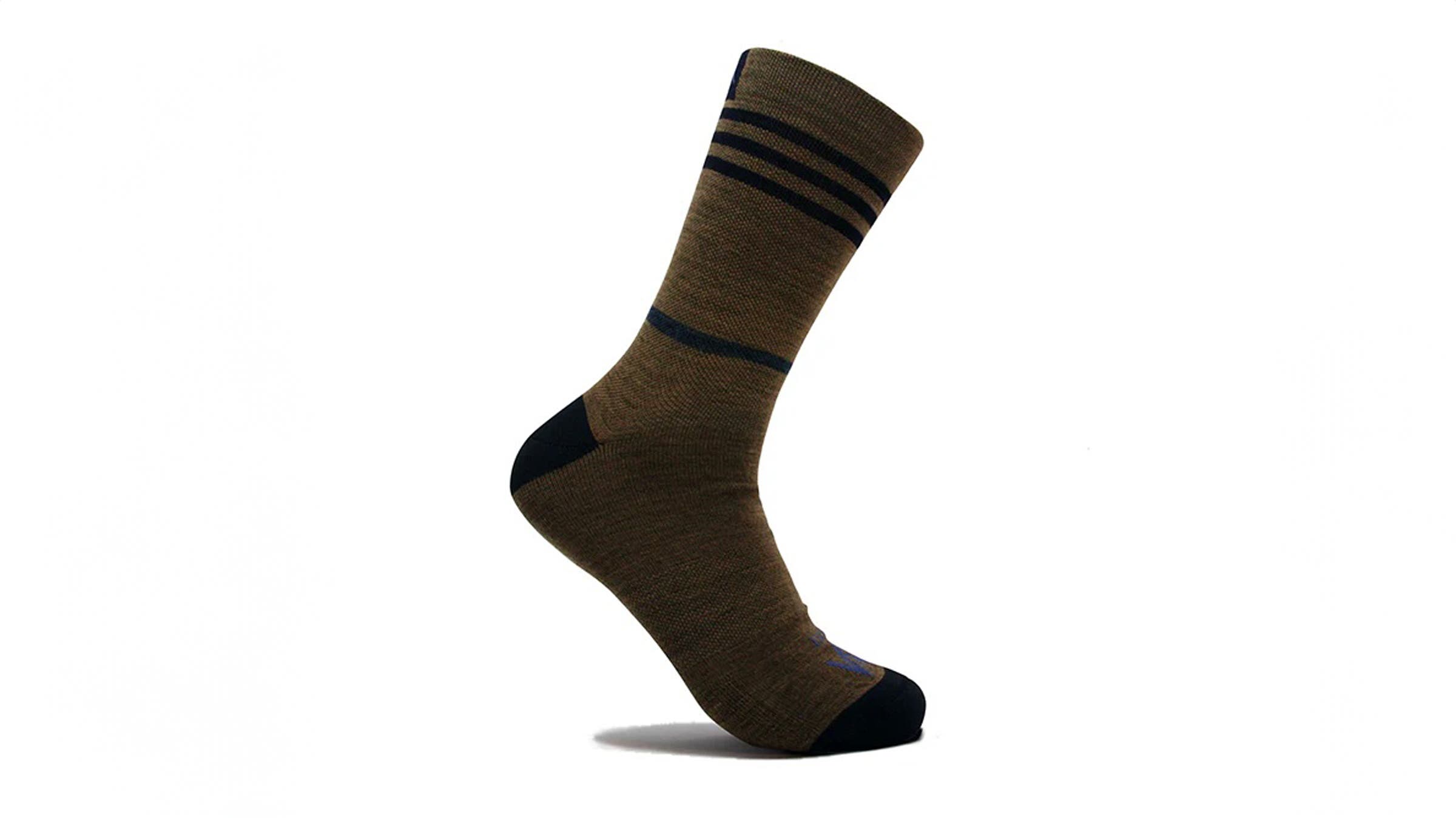
Launched as an indie cycling brand, Mint makes fun, functional socks that I value for their snug but not confining fit. The Drifter 7” is a little thicker than most Mint socks, thanks to being 55% merino (with the rest nearly equal portions of polyamide and elastane). Between that blend and the height, which scooches up just past the bottom of my calves, they’ve become a go-to for cold-weather runs.
Paka Trail Three-Quarter Crew
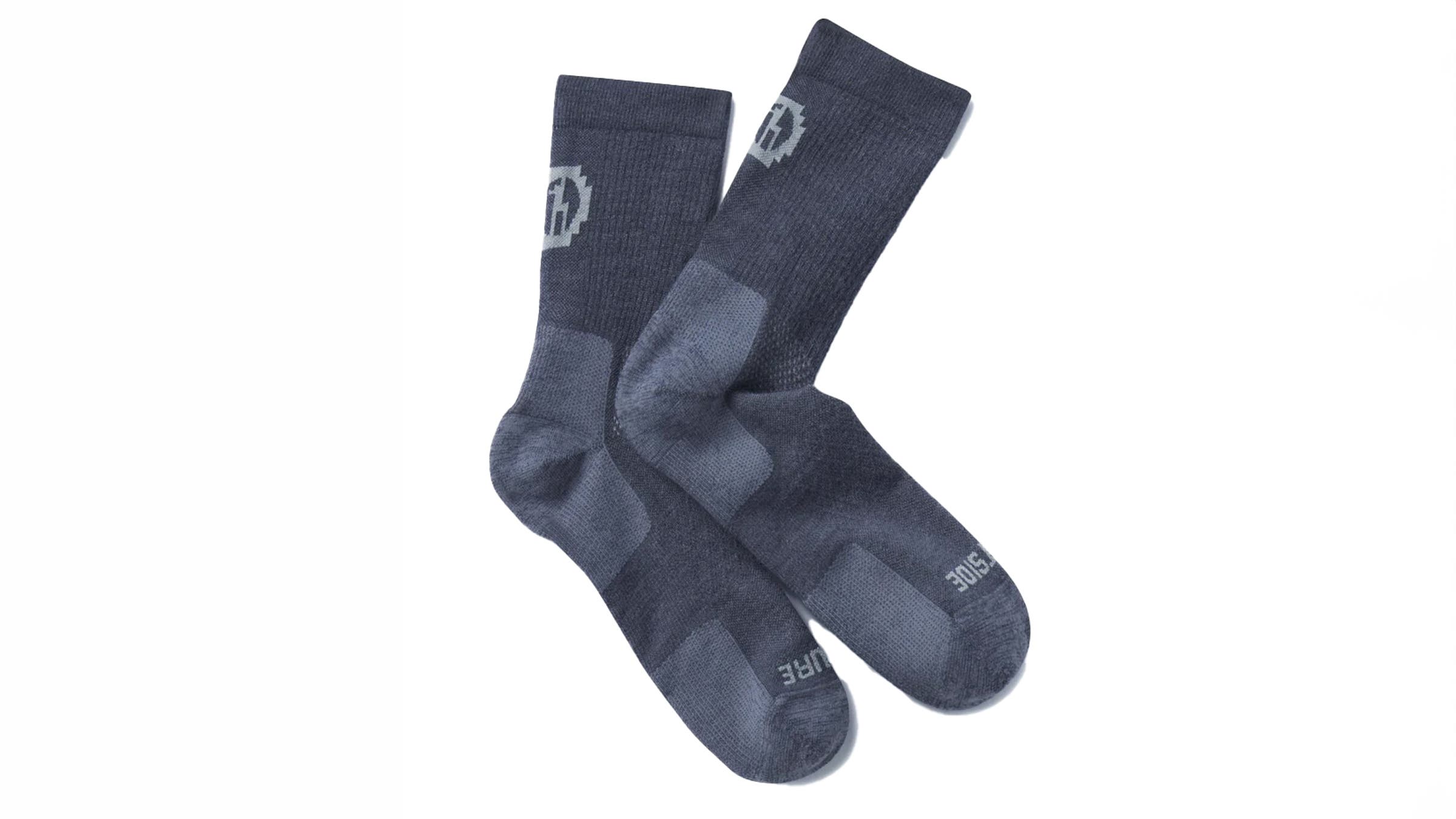
Paka breaks up the merino monopoly with its low-crew-length alpaca-blend stalwart, which has been reviewed favorably in the past by Outside runners, hikers, and travellers. With one-third of the sock’s blend being alpaca wool, you get that fiber’s magical properties (including better temperature regulation than merino) without excessive bulk, thanks to the rest of the blend being mostly recycled nylon and Tencel. They’re perfectly positioned in the middle of the thin/thick spectrum; I wear them with any type of running shoe except the most performance-fitted racing models. Among alpaca’s virtues is its odor resistance. That allows me to wear them in daily life for a while before moving them to the running pile.
Pinebury Merino Trail Sock
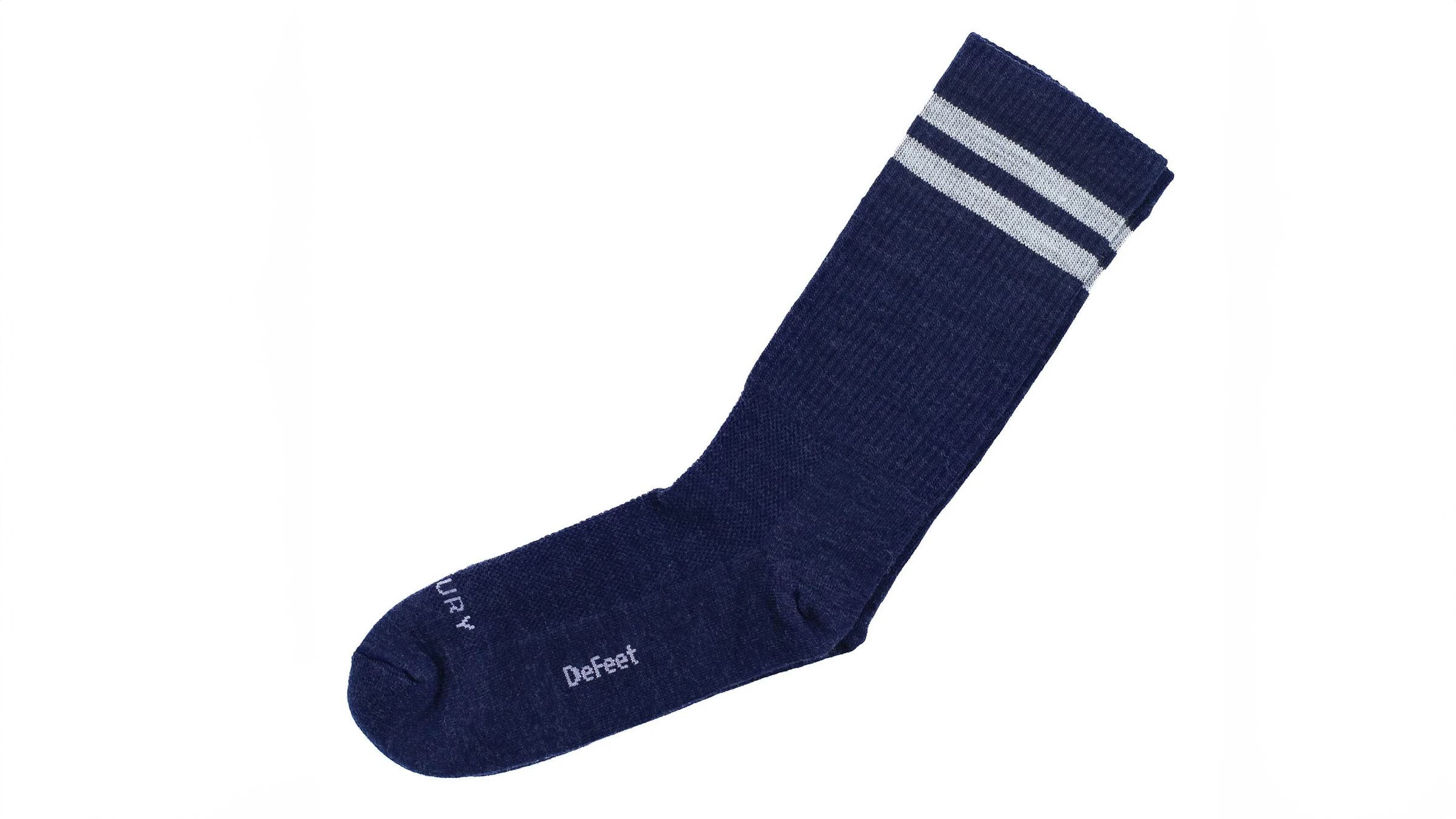
As with the Paka socks, these are comfortable and attractive enough that I often run in them after a day or two of civilian-life use. Also like the Pakas, they’re next-level durable, and the thickness hits a sweet spot of versatility. They extend to the bottom of my calves and stay put, thanks to the ribbed cuff. I think of these as a sock version of a do-it-all running shoe, allowing for light packing when traveling. Bonus: They’re made in the U.S.
Satisfy Merino Tube Socks
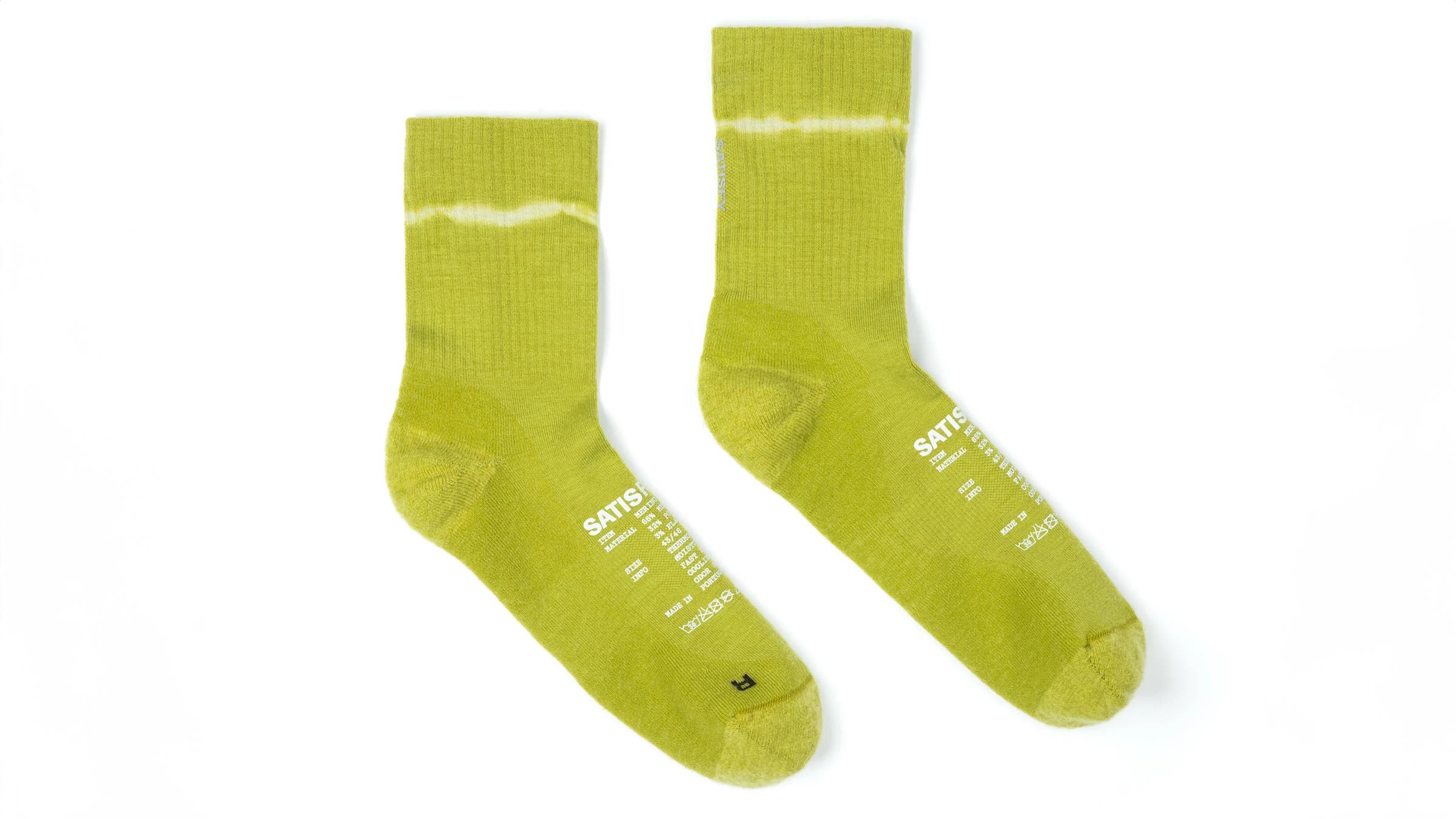
These are the prettiest, plushest running socks in this roundup. They provide cushy comfort without crowding the inside of most running shoes. The durability of the 83% merino blend (plus some polyamide and elastane) is vastly superior to similarly styled 100% merino Satisfy socks that I loved until they developed holes. I love padding around the house in them on cold mornings before heading out to run. Note that they’re by far the most expensive socks reviewed here. Consider them a gift for your closest running friends or a splurge for yourself after nailing a big running goal.
Excellent Out-of-the-Ordinary Socks
You want to run in something a little different? There’s a sock for that.
If you want toe socks:
Injinji Mini-Crew Midweight Padded Trail Socks
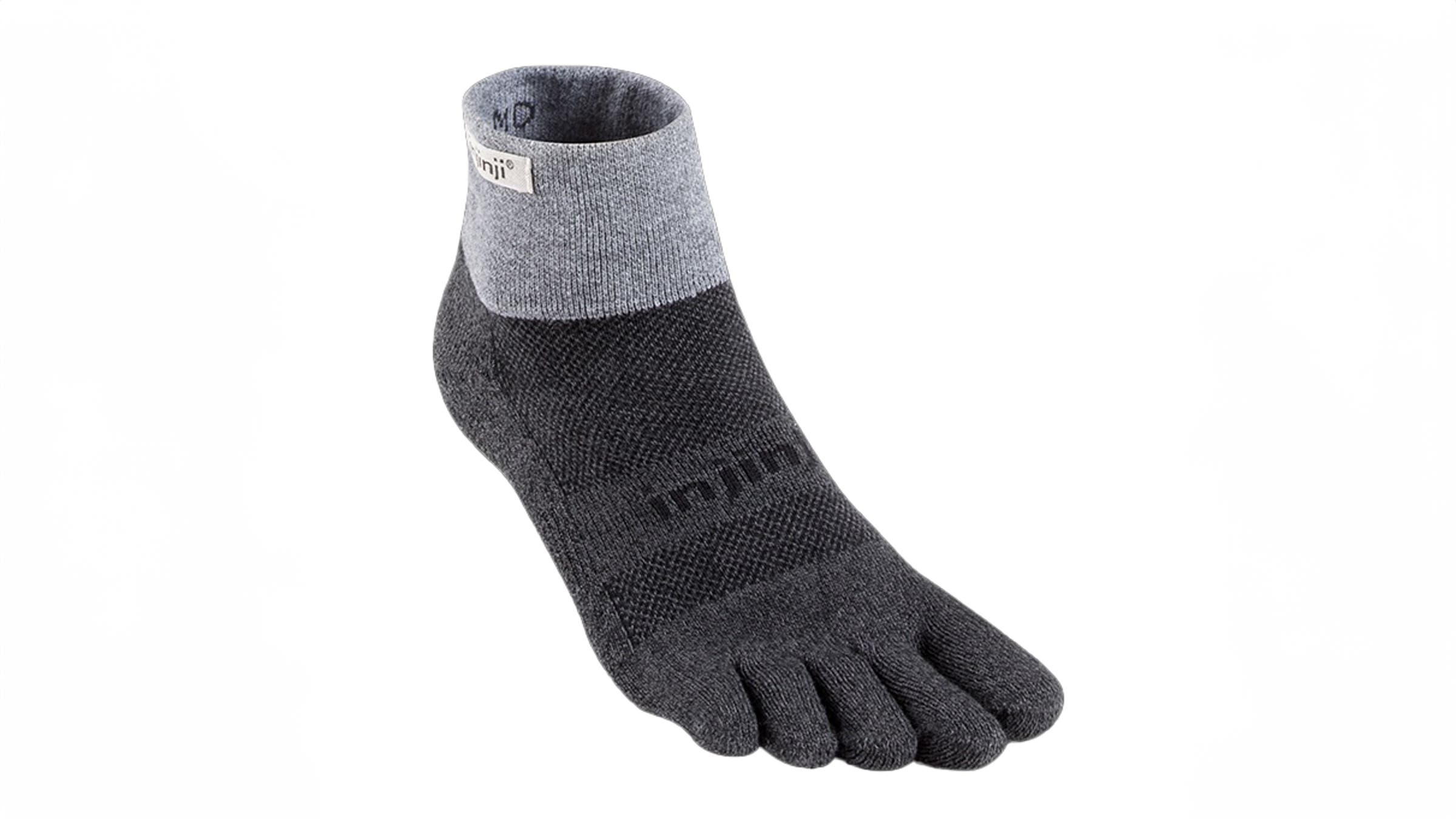
Injinji’s toe socks remain the best running socks I’ve tried in that niche market segment. I especially value them on trail runs, when nearly every footstep differs from the previous one, and I need to be much more agile than during a standard road run. These strike a good middle ground in terms of height (an inch or two above the ankle) and thickness (enough padding to provide comfort, but not so much that you lose ground feel or within-shoe movement).
If you want no-show socks:
Tracksmith Speed No Show Sock
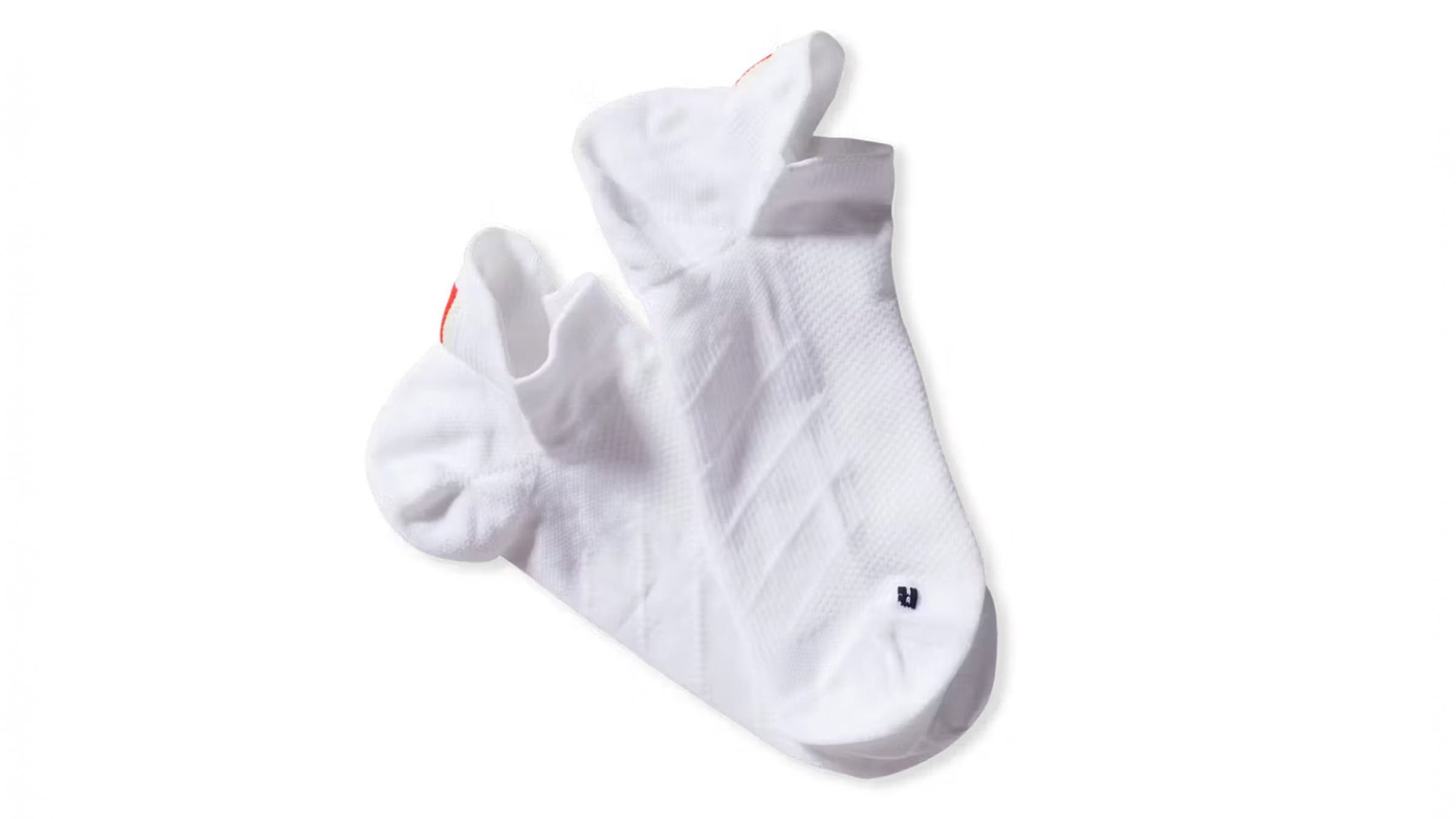
The obvious use for these running socks is when you want to strip down to the bare essentials on race day. The thin, 95% polyamide blend fits perfectly inside most go-fast shoes, doesn’t absorb voluminous high-exertion sweat, and stays put when you’re cornering at top speed. I also wear them on normal runs in the heat. But don’t pigeonhole them as a summer specialty. Tracksmith also offers these in three-quarters crew height, which I wore in a 10-mile race at which the start temperature was 7 degrees Fahrenheit, and my feet stayed warm throughout.
If you want knee-high socks:
Smartwool Targeted Cushion Over the Calf Socks
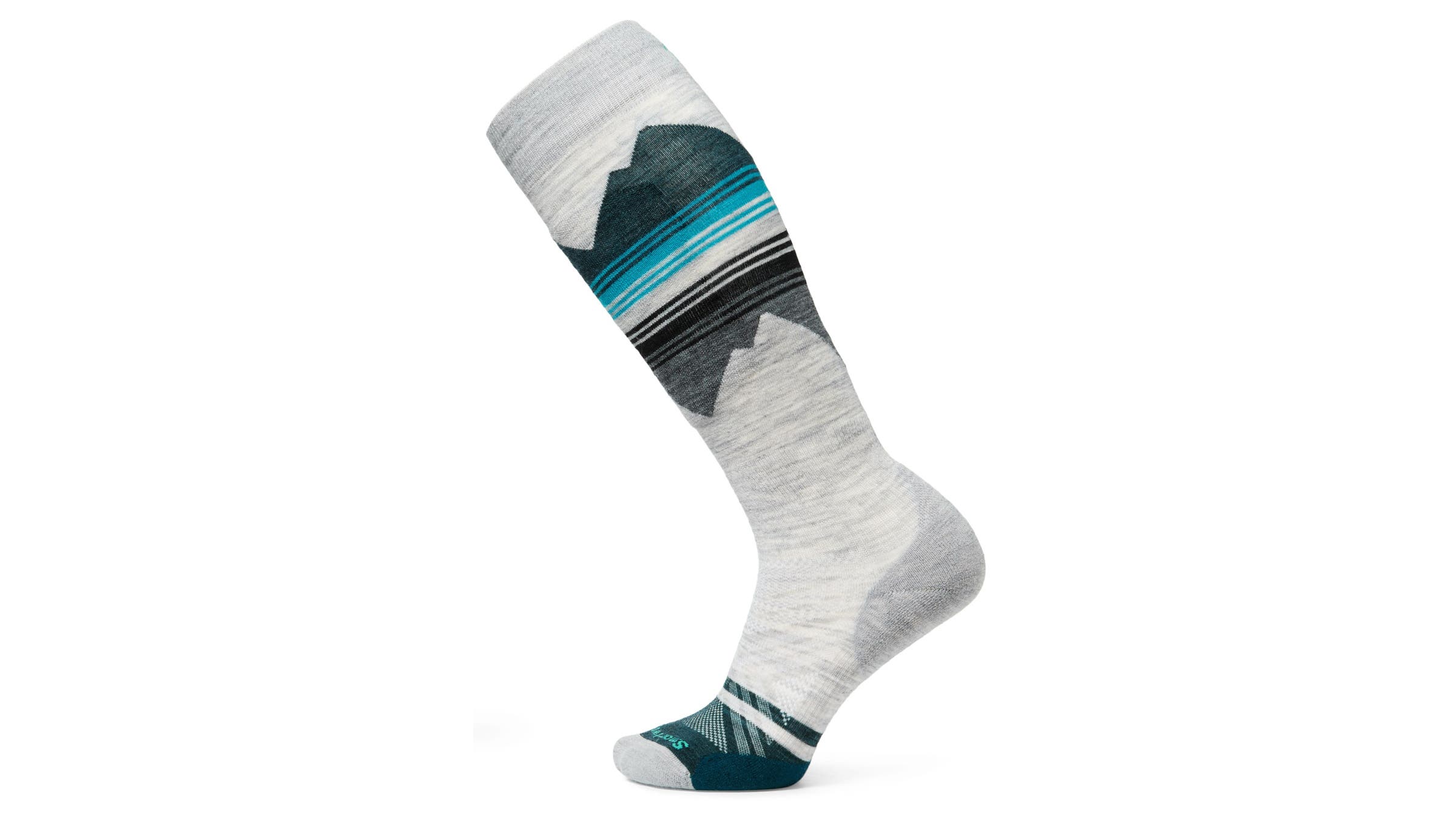
As a Maine resident who runs outside year-round, I like to have a few extreme-winter-weather items in my quiver (or at least my sock drawer). These are the socks I reach for when my interest in leaving the house is even lower than the sub-zero windchill. The combination of the knee-high length and thickish merino blend keeps me as warm as possible in such conditions. The thickness also meshes well with the roomier shoes I tend to wear on especially cold days. (The upper on most snug-fitting go-fast shoes is too ventilated for real winter wear.) If you’re a more well-rounded person than me, you can also use these socks for their stated activity (skiing) or other winter pursuits.
How I Tested Running Socks
Over nine months, I tested 50 running socks from 23 brands while running more than 2,000 miles. This testing occurred in all types of weather, from the depths of a Maine winter, through the wettest spring in recent memory and the heat and humidity of an East Coast summer, into the crisp conditions of peak fall foliage. I wore the socks on near-weekly two-plus-hour runs, for workouts ranging from 200-meter repeats at mile race pace to long tempos at marathon pace, and on the daily runs that surround those longer, faster efforts.
Meet Our Tester
Scott Douglas is the author or co-author of several running books, including Advanced Marathoning, Running is My Therapy, and the New York Times best sellers 26 Marathons and Meb for Mortals. Scott has run more than 130,000 miles since starting as a teen. He lives in North Yarmouth, Maine. You can find him online on his Substack.
