Updated November 17, 2025 03:39PM
If you buy through our links, we may earn an affiliate commission. This supports our mission to get more people active and outside.Learn about Outside Online's affiliate link policy
The Best Women’s Hats and Gloves for Winter Running
These running hats and gloves are proven to keep your head and hands comfortable in any cold-weather conditions
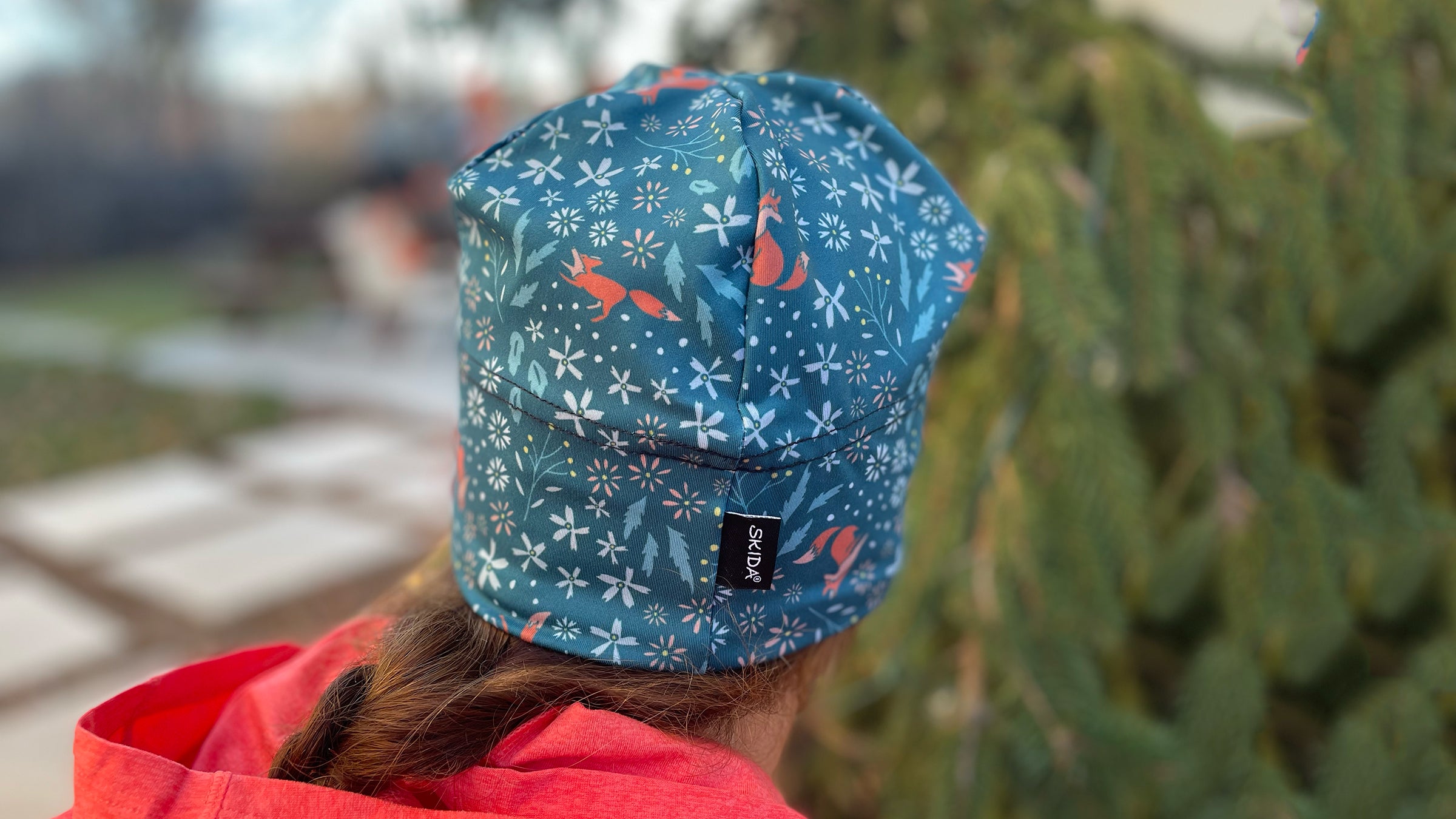
(Photo: Lisa Jhung)
Table of Contents
What you wear on your head and hands may seem like an afterthought to your running kit, but having the right running hats and gloves can make the difference between suffering on a winter run and enjoying yourself. Testers in Colorado, Virginia, New Hampshire, and California tried out a variety of winter running accessories in all sorts of conditions—from damp and dreary to frigid and snowy—to find the pieces that kept biting cold at bay. These are the women’s hats, gloves, and mittens we reached for on our wintry runs.
Best Women’s Winter Hats and Gloves: At a Glance
- Best All-Around Hat: Skida Running Hat ($36)
- Best All-Around Gloves: Janji Vortex Windblock Gloves ($48)
- Best Value: Buff Wahly Ice ThermoNET Beanie ($27)
- Most Versatile Gloves: Ibex Glove Liners ($50)
- Best Touchscreen-Friendly Gloves: The North Face Etip Recycled Glove ($45)
- Best Hat for Snow and Cold: Oiselle PowerMove Beanie ($42)
- Best Hat for High Output Running: Rab Filament Beanie ($30)
- Best Hat for Rain: Janji Unisex All-Weather Transit Tech Cap ($42)
Best All-Around Hat
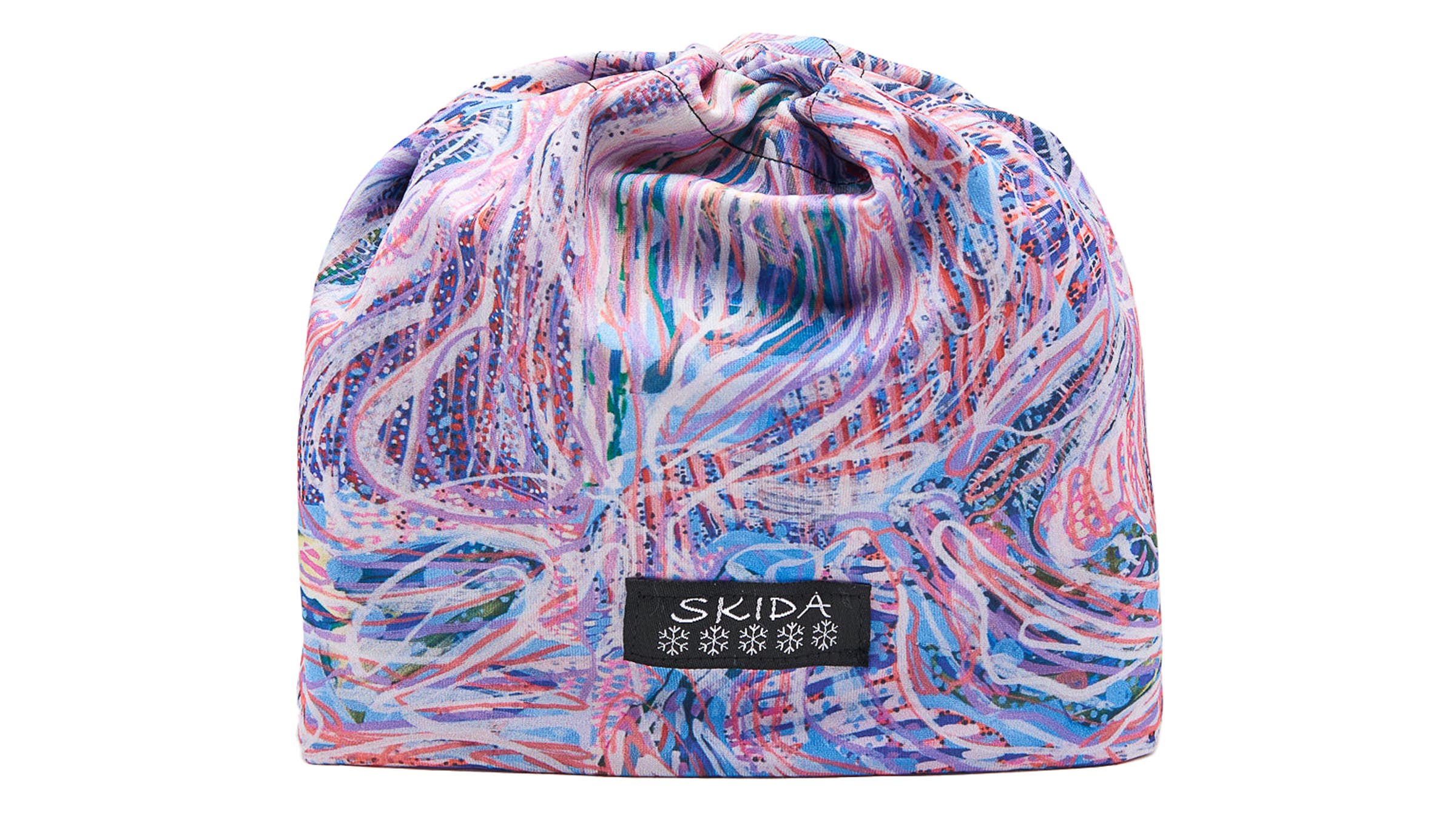
Skida Running Hat
Materials: 92% polyester, 8% spandex
Sizing: S/M and M/L
Pros and Cons
+ Long enough to keep ears warm
+ Packs down small enough to fit in a pocket
+ Vents excess heat
– Not thick and warm enough for frigid temps
We love a lot of things about the Skida Running Hat. For one, it’s cut to cover the ears—a feature that’s oddly hard to find in a running beanie. It also comes in a choice of sizes—small-medium or medium-large—guaranteeing a snug, comfortable fit, which is unique for running (or any) beanies that are usually one-size-fits-all. It’s thin and lightweight enough to pack down easily and compactly into a running pack’s chest pocket, or a small pocket on a pair of tights when you need to shed a layer.
On the head, it’s soft, comfortable, and breathable while providing coverage and warmth. We found this hat warm enough without being too warm in all but the most frigid of running conditions, and loved it even more for its versatility, numerous print and color options, and price. Priced at $36 and versatile in a range of conditions, the Skida Running Hat is also a contender for Best Value. Bonus: The hat has a UPF rating of 50+.
Best All-Around Gloves/Mittens
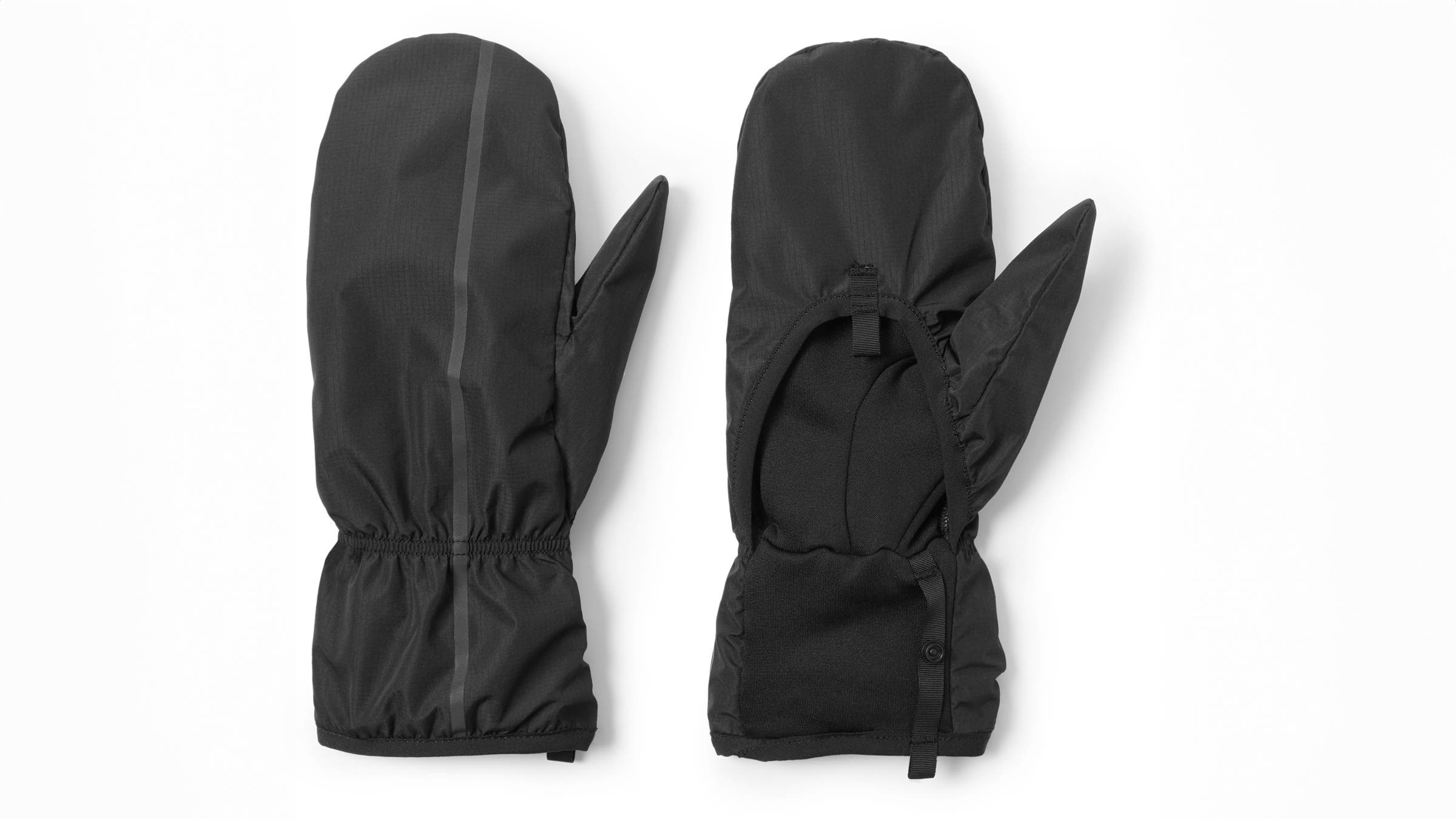
Janji Vortex Windblock Gloves
Materials: 84% polyester, 16% spandex (main body); PU-coated 100% polyester ripstop (shell)
Sizing: S, M, L
Pros and Cons
+ Stowable shell converts gloves to mittens
+ Reflective detailing for safety
+ Effective touchscreen fingertips
– Too warm for some temps
We loved these 2-in-1 glove/mittens for cold-weather running in a variety of conditions. In glove mode, with the mitt tucked away in the stash pocket on the back of the wrist, they are warm, breathable, and comfortable for moderately cold runs. Pulling the wind-resistant mitt over the glove takes them to a whole new level of versatility. They can be worn on the frostiest days, or on cool outings when you need to transition on the run as you warm up.
One tester liked to start runs with what she calls the “full monty” glove and mitt, and peel the mitts off when her hands warmed up 15 to 20 minutes into the run. She appreciated how well the pocket keeps the mitt from bouncing around when stored.
We also liked how the long cuff length kept our wrists warm, and the snaps that made sure the pair stayed together—and not lost independently in a pile of stuff—between cold-weather runs. Bonus: the touchscreen-friendly fingertips actually worked, so we didn’t have to take the gloves off to use our phones.
ADVERTISEMENT
Best Value
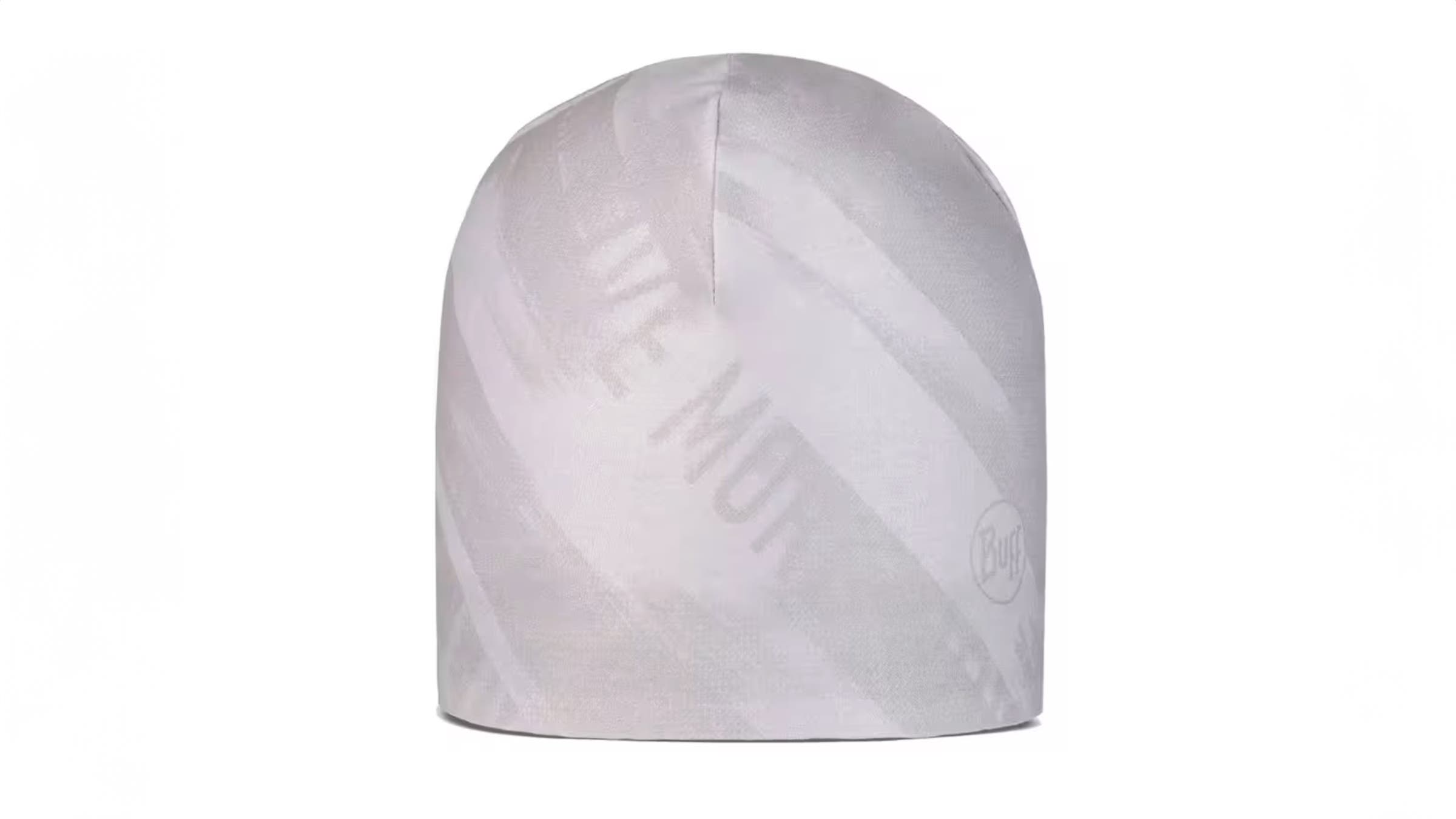
Buff Wahly Ice ThermoNET Beanie
Materials: 96% polyester, 4% elastane
Sizing: One size
Pros and Cons
+ Warmth without bulk
+ Packs down impressively small
+ Excellent wicking
– Not thick and warm enough for frigid temps
These days, it’s hard to buy any gear for under $30, let alone something as high-performance as this hat. The Buff beanie may not look like much—it’s incredibly thin and seemingly simple. But, as one tester exclaimed, “This little piece of clothing is a badass!” It’s made from single-layer PrimaLoft ThermoNet technology—a hardworking blend of polyester and elastane that provides warmth without bulk—with smooth, heat-sealed seams for comfort.
We appreciated that this beanie was stretchy enough to pull over a ponytail, soft against the skin, sweat-wicking, and warm. We also loved how small and packable it was, how quickly it dried after washing, and that it’s made from 58 percent recycled content (plastic bottles). From temps in the low 30s with windchill, to cold, damp runs in high humidity, this tiny hat kept us warm and comfortable.
Most Versatile Gloves
Ibex Glove Liners
Materials: 94% merino wool, 6% Lycra
Sizing: XS-XL
Pros and Cons
+ Lightweight and stashable
+ Work great as a three-season glove
– Not warm enough on their own for harsh midwinter runs
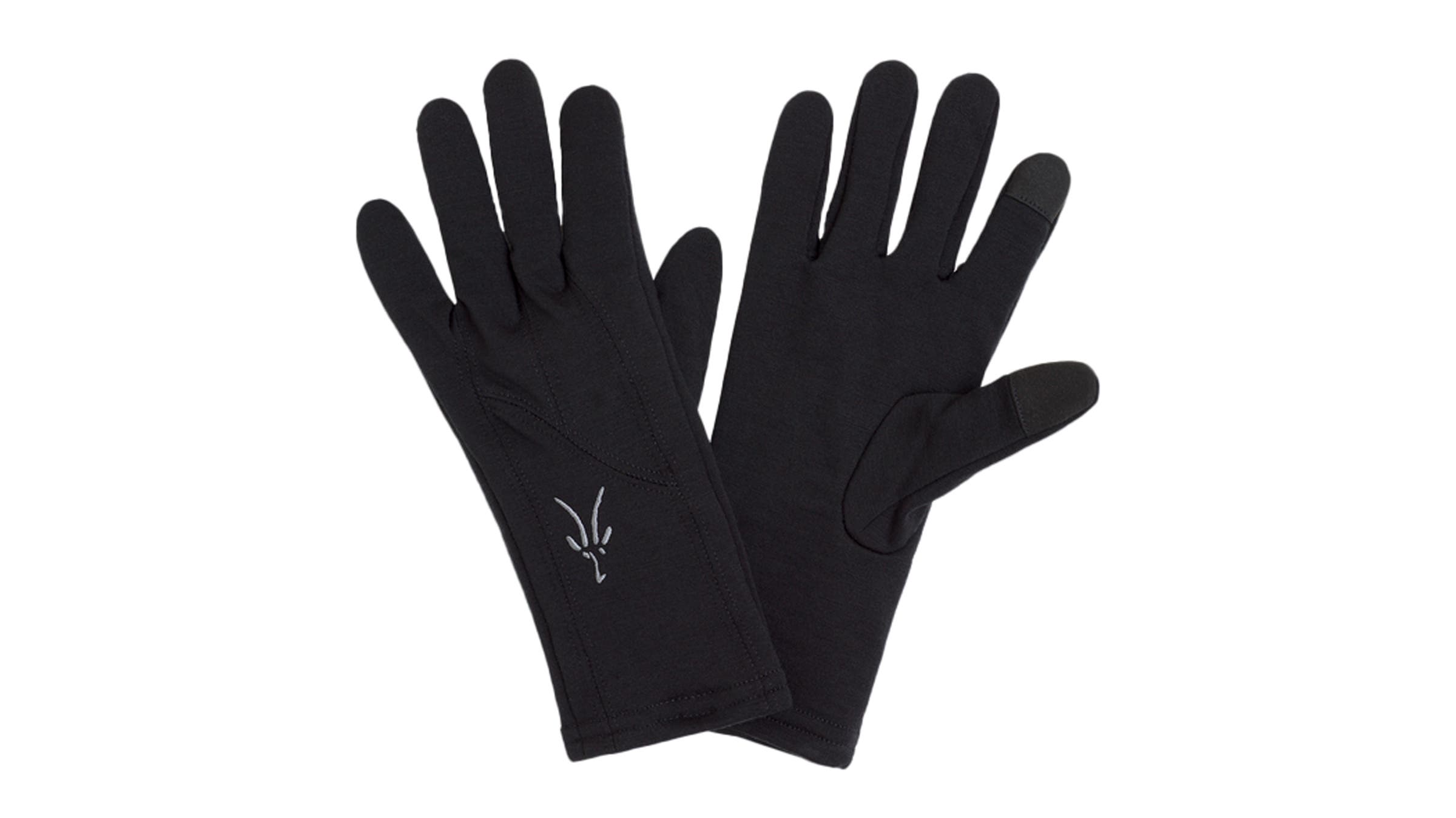
These thin, minimal-feeling liner gloves are made of soft, temperature-regulating Merino wool, which means they have a high warmth-to-weight ratio. The wool is soft against the skin and provides breathable protection, while a touch of Lycra helps the gloves maintain shape. They come in a range of sizes so you get a snug fit that ensures no cold air sneaks in through the cuff. We’ve worn these on cool fall mornings, spring rainstorms, and mild winter days on their own. And when temperatures dropped during winter months, they served nicely as liner gloves: One tester loved wearing them under the Tracksmith Fens Mittens to ward off bone-chilling conditions during an East Coast winter. Bonus: The index fingertip and thumb are both touchscreen-compatible.
Best Touchscreen-Friendly Gloves
The North Face Etip Recycled Glove
Materials: 93% recycled polyester, 7% elastane double-knit fleece
Sizing: XS-XXL
Pros and Cons
+ All-finger smartphone and smartwatch compatibility
+ Ergonomic, natural fit
+ Comes in a range of sizes
– Pricey
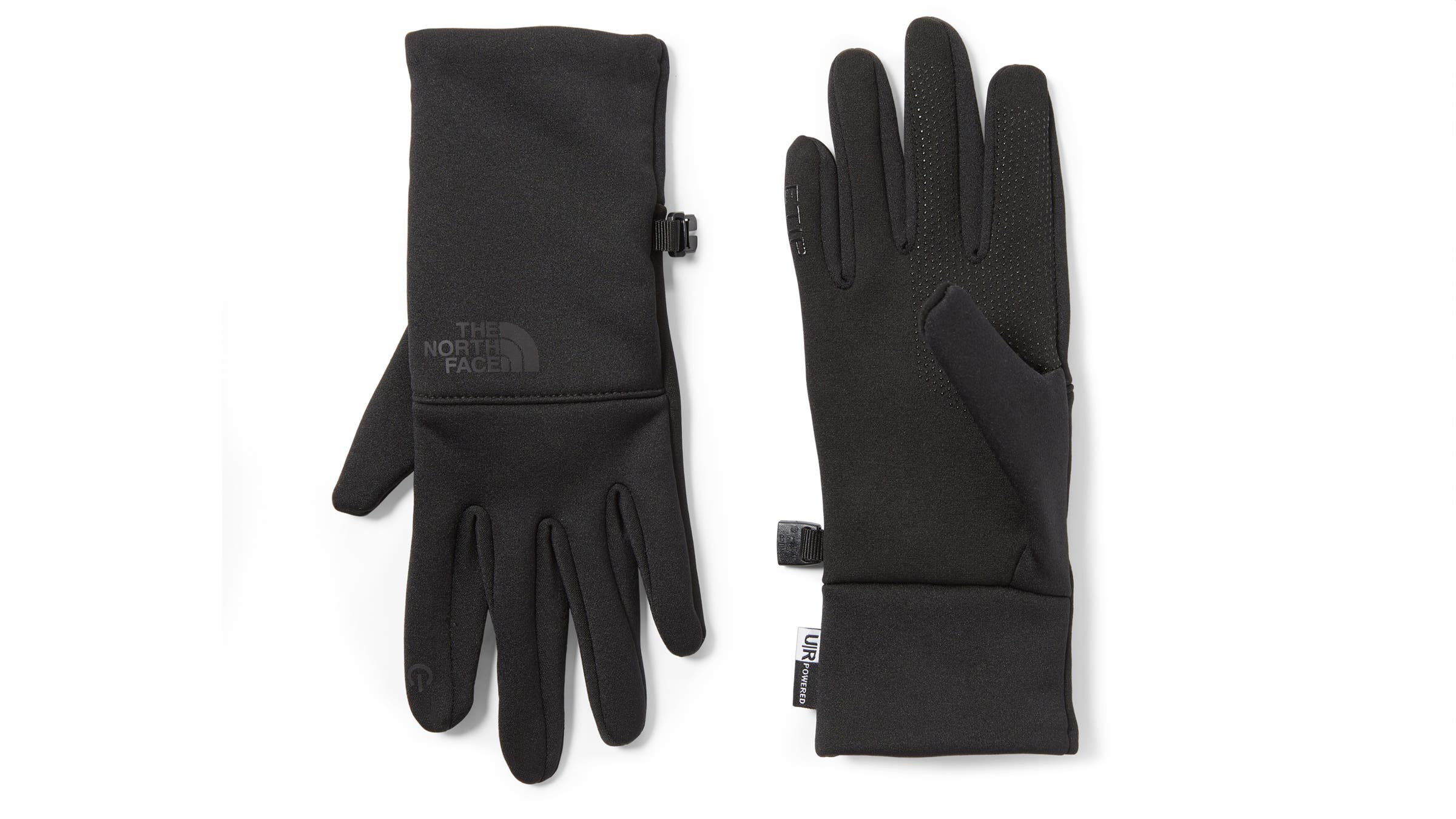
While many gloves have touchscreen pads on their first fingertips, these boast touchscreen capability on all five fingers, a bonus for those who text with thumbs. “Loved that I could easily swipe on my phone,” said a tester. “This is the best performing tech glove for my smart watch,” said another.
The four-way stretch fleece proved thick enough to keep our hands warm in temps down to 20 degrees in Colorado. We appreciated the articulated design, making it easy to get fingers into the right slots, and allowing our hands to rest comfortably in a natural position on the run. A small clip keeps them together when not in use. “Loved every part of these gloves,” said one tester.
Paid Advertisement by LifeStraw
LifeStraw Peak Series Squeeze Filter Bottle
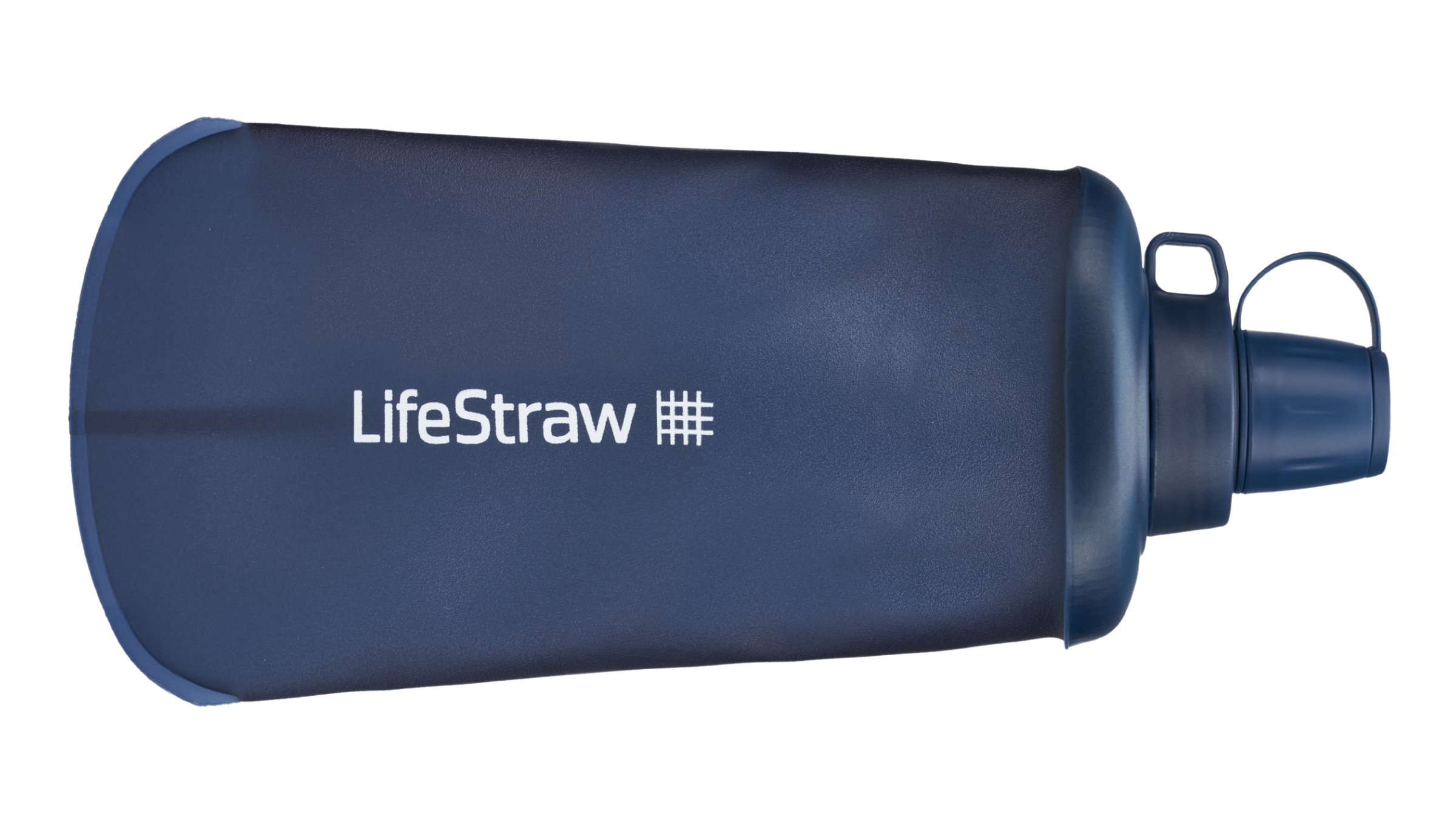
When it comes to staying hydrated with safe drinking water, the LifeStraw Peak Series Squeeze Bottle has you covered. Refill confidently thanks to a filter that removes bacteria, parasites, microplastics, silt, sand, and cloudiness. The bottle is made from premium materials, so you don’t have to worry about rips, tears, and punctures. Ultralight, collapsible, and versatile, it’s the all-in-one water storage and filtration device that will become your go-to.
Best Hat for Snow and Cold
Oiselle Power Move Beanie
Materials: Polartec PowerStretch
Sizing: One size
Pros and Cons
+ Ponytail port works well for long hair
+ Polartec PowerStretch material is warm in cold weather
+ Reflective logo adds safety
– Some didn’t find it flattering
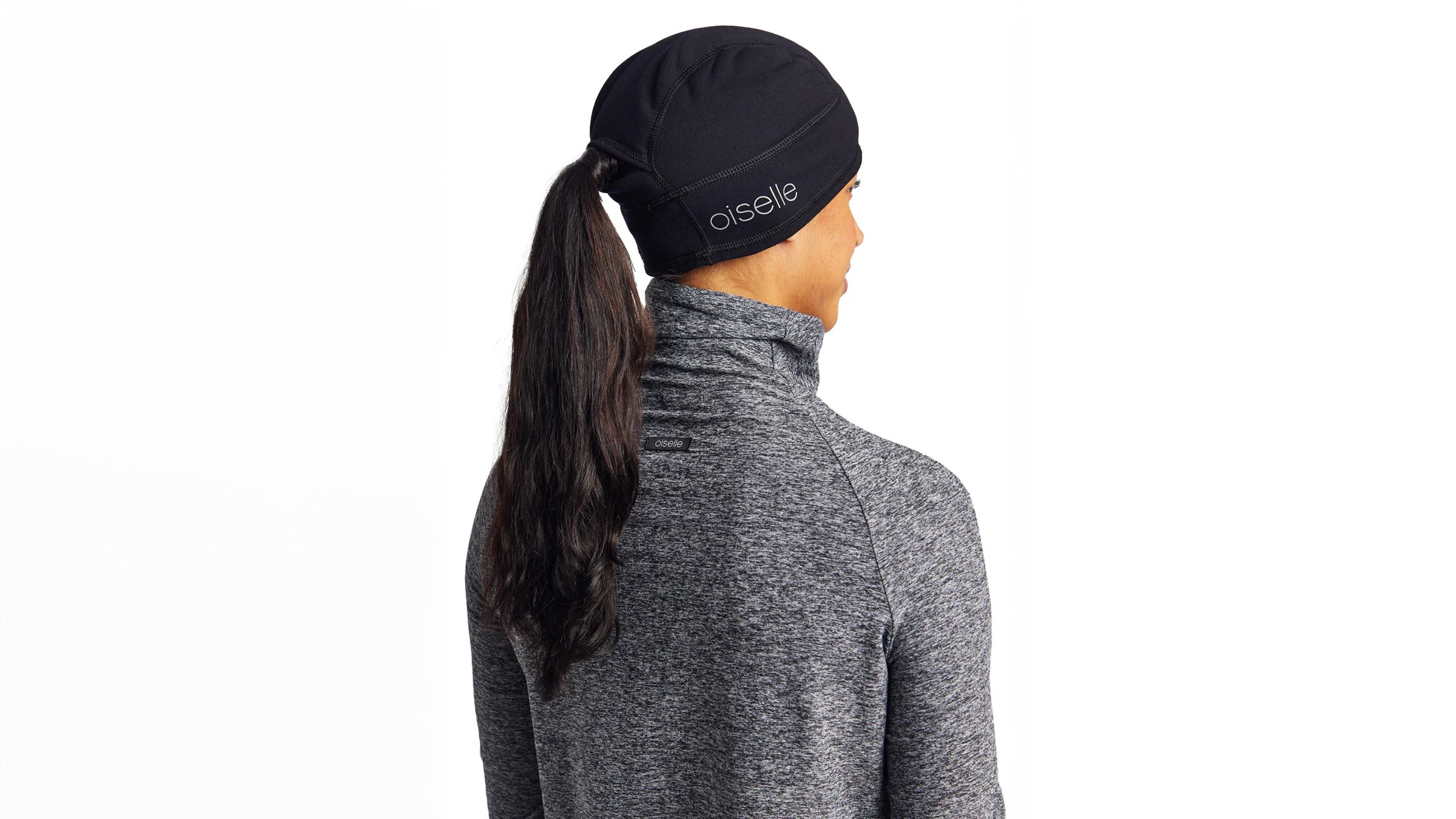
This beanie’s Polartec PowerStretch material is soft, warm, and stretchy, and kept the hat snug and secure on our heads. The best part, however, is the ponytail port. “Since my thick, long braid can be free out the back, there’s no extra pressure stretching the hat over it,” said one tester. “My ears and forehead stay covered and protected from the elements, and my braid doesn’t get all tangled and matted in sweat,” said a tester. The rest of the hat performs too: Even those who kept their hair inside the beanie appreciated this lid’s lightweight warmth and coziness.
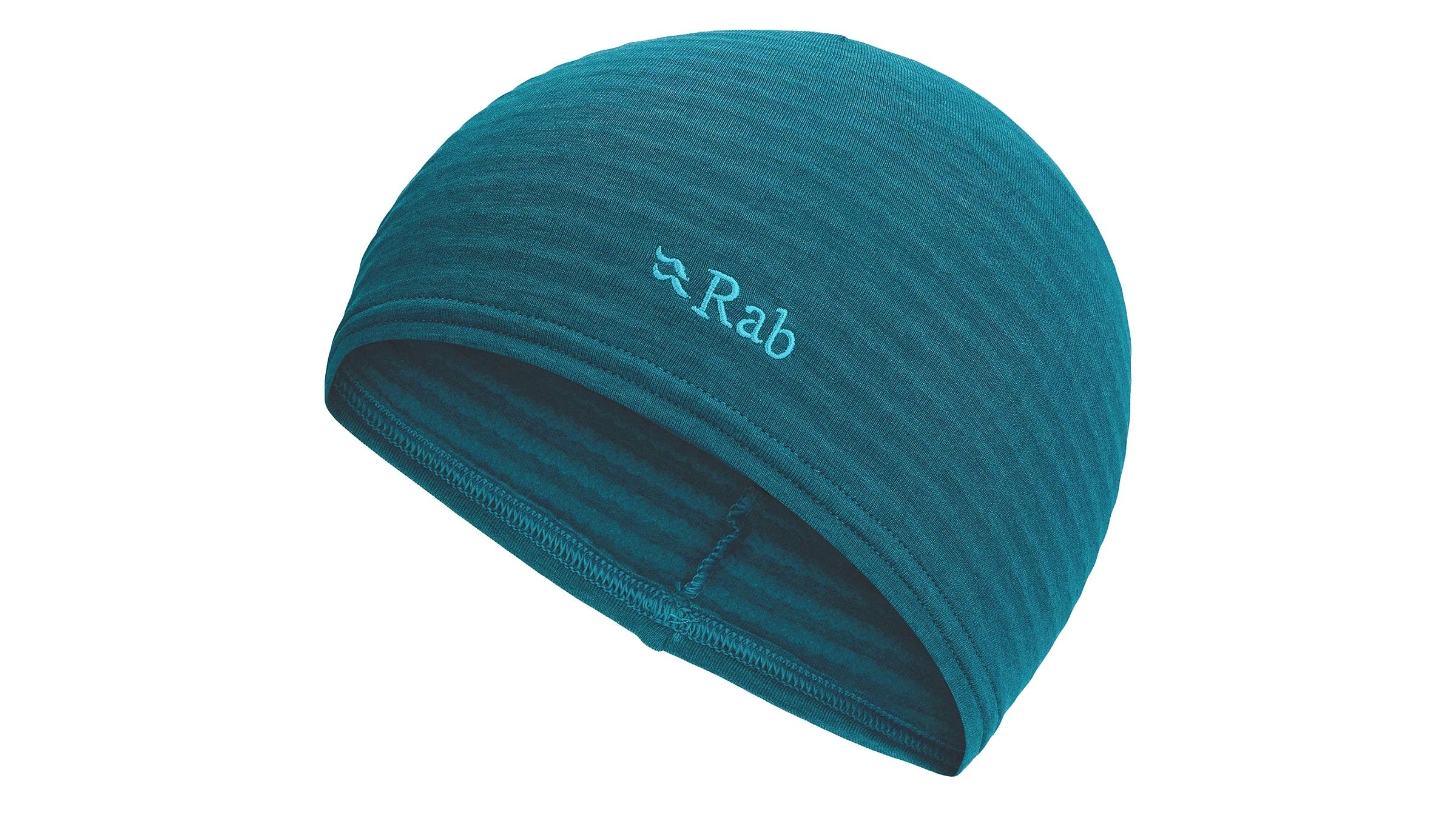
Best for High Output Running
Rab Filament Beanie
Materials: 94% recycled polyester, 6% elastane
Sizing: One size
Pros and Cons
+ Highly breathable while providing light warmth
+ Comfortable, snug fit
– Not warm enough in frigid temps
For runners who either run hot, live in moderate winter climates, or want light protection for mild winter days, this beanie delivers. It’s snug-fitting and minimal, providing just enough warmth with a comfortable fit. The interior of the beanie features alternating high and low loft stripes for a mix of insulation and breathability, effectively venting heat during high-output efforts. One tester threw this hat in the pocket of a hydration vest to always have on-hand, even during summer mountain running. And for winter, we found this beanie became our go-to for all our above-freezing runs.
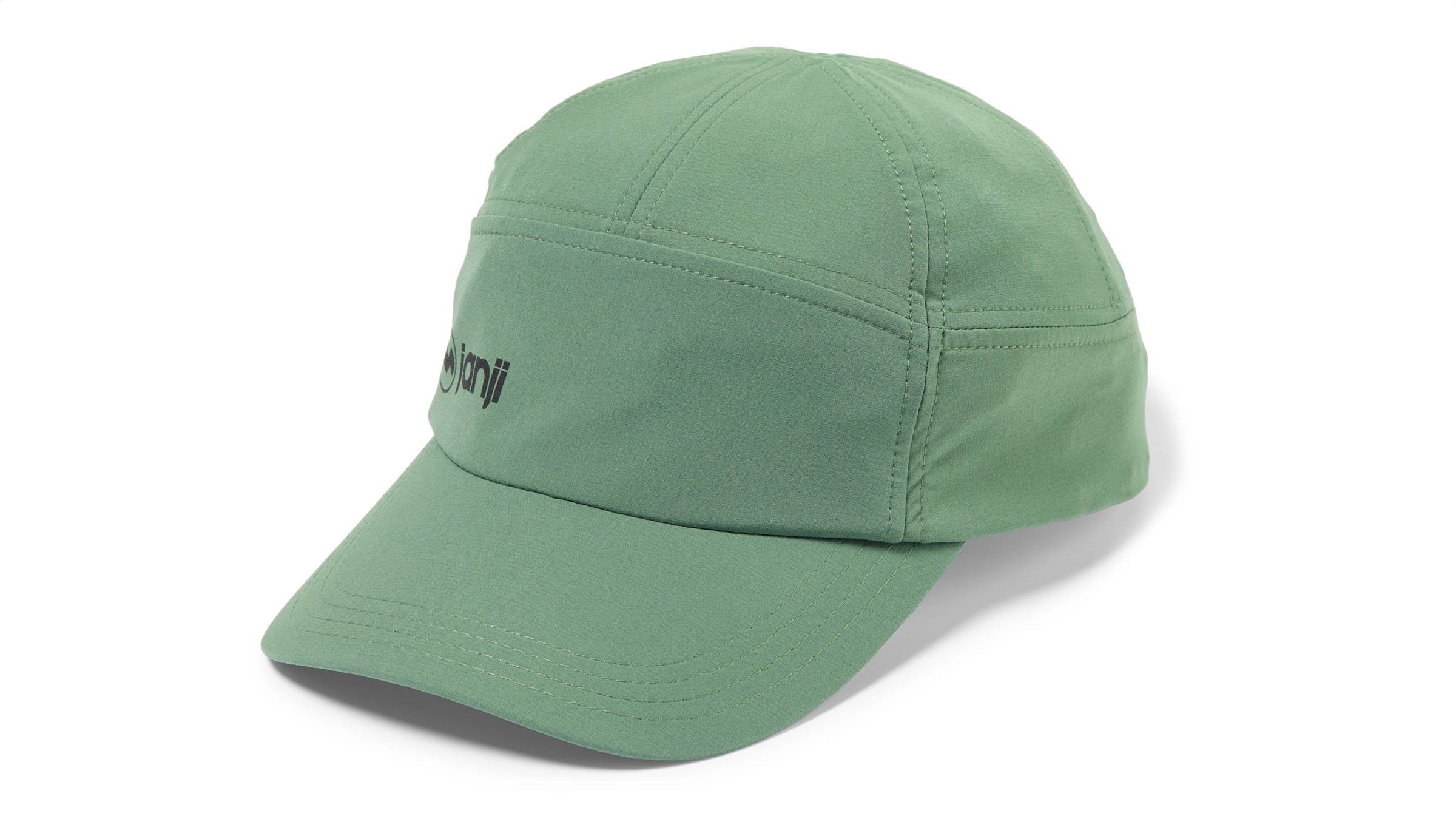
Best Hat for Rain
Janji Unisex All-Weather Transit Tech Cap
Materials: 91% recycled polyester, 9% elastane
Sizing: One size
Pros and Cons
+ Sheds water
+ Holds its shape through washings
+ Unique zippered pocket
+ Rated UPF 50+
– Expensive
This hat is a smart pick for runners in mild temperatures or rainy climates. Its PFC-free water repellent treatment, combined with the protective bill, kept rain off our faces and that hat from turning into a sponge. We found it fit well across a range of head sizes and stayed on securely, even through high wind gusts. The polyester wicking material against the forehead added to the comfort and kept sweat out of our eyes.
“I loved having this hat for fall 5ks that started out cold and sometimes wet, but ended with sunshine,” said a tester. Bonus: The zippered pocket holds small items, from money to a car key, comfortably and securely.
How To Choose Winter Running Hats, Gloves, or Mittens
When shopping for items to keep your hands and head comfortable—not too hot, not too cold—during the winter months, first consider the conditions you’re most likely to face. Do temperatures drop below zero? Does it snow, rain, or sleet where you live? (And if so, do you enjoy running in those conditions?) From there, consider if you generally run hot or cold. And from there, peruse our guide to find options that might work best for your needs.
ADVERTISEMENT
Also consider if packability is important to you; if you travel often during the winter months to other cold climates, or want the ability to stash your hat or gloves once you warm up during your run, choose items that compress easily. And remember that what feels cozy at the start can quickly turn to clammy, so look for breathability to let out internal heat in addition to protection from external elements.
How We Test
Head tester and writer Lisa Jhung researches each gear category and works with gear companies to narrow down which items to add to the test loop. She then orders samples for herself and her team of five testers, who live in Colorado, Virginia, and the San Francisco Bay Area. For this test, hats and gloves were worn in a range of winter conditions, from cold, dry, sometimes snowy Colorado Front Range and high country, to cold, damp Virginia and cool, rainy, mild Northern California.
Meet Our Testers
Lisa Jhung has been running for 35 years, testing and writing about gear for 25-ish years, and manages a pool of testers out of her home in Boulder, Colorado. She runs in all conditions and loves heading out in a gnarly snowstorm.
Kristen Mecca moved to Virginia after running all over Colorado, including multiple podium finishes at the Pikes Peak Ascent and snowshoe races. She now tests gear through the East Coast winter and is a stickler for irritating seams and rough materials.
Beth Smith lives and runs in Burlingame, California, and runs roads and trails while trying to not get Prednisone-level poison oak rashes. She loves functional clothing with smart pocketing for her phone, which she always has with her.
Lindsay Clark trains around the roads and trails of Louisville, Colorado, while also heading to the Boulder foothills to hit rugged, rocky trails. After tragically losing her home in the Marshall Fire, she says she appreciates good running apparel on a new level.
