Published February 11, 2026 02:36PM
If you buy through our links, we may earn an affiliate commission. This supports our mission to get more people active and outside.Learn about Outside Online's affiliate link policy
Your Head-to-Toe Guide to Layering Up for Single-Digit Runs
With the right gear, running in frigid weather can be comfortable. No joke.
(Photo: Lisa Jhung)
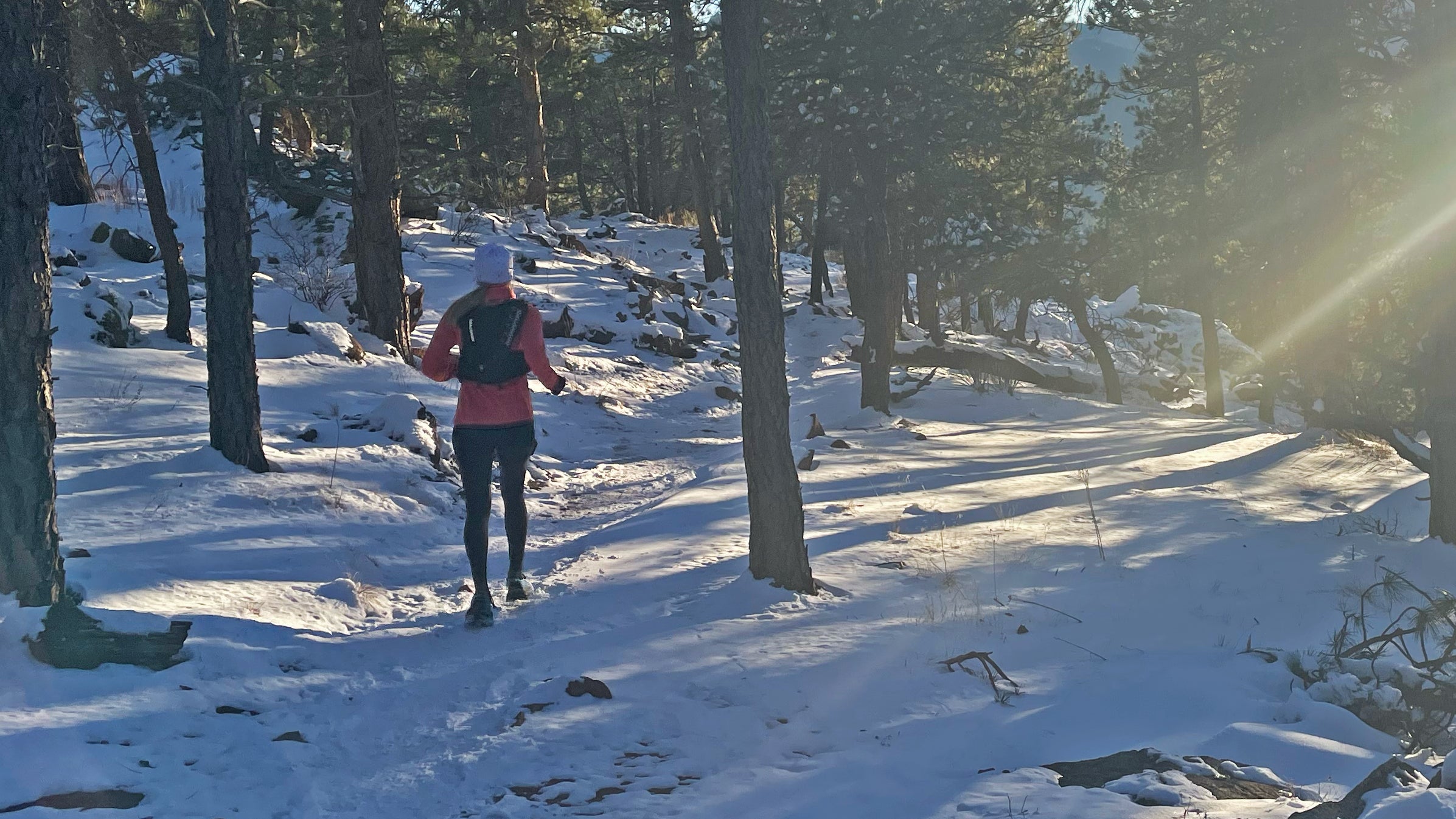
It’s mid-February, and Punxsutawny Phil says winter isn’t over yet. That’s a good thing to anyone in the west, since we desperately need snow and have had a creepily warm winter—for the most part. A few weeks ago, an Arctic blast hit Colorado. A few inches of snow fell where I live in Boulder, and the mercury dropped into the single digits.
Since I both test a ton of winter gear and love a good adventure, I layered wisely and headed to a trailhead for an afternoon run instead of succumbing to the soul-sucking environment of an indoor gym. For 26 winters—23 in Colorado and three on the North Shore of Lake Tahoe—I’ve laced up in all sorts of weather and headed outside. I’ve not only survived frigid temperatures but thrived, breathing in cold, fresh air while feeling like a rebel and a badass.
On the East Coast, my friend and ace apparel tester Kristie has been braving the cold of a New Hampshire winter for her runs. We often compare notes, and though she shares similar sentiments about the joys of winter running, what I wear to run in cold and dry Colorado is slightly different than what she wears for the bone-chilling, damp freeze of New England.
ADVERTISEMENT
Here’s what’s been tested and proven to keep us comfortable during single-digit runs in the Mountain West and the Northeast.
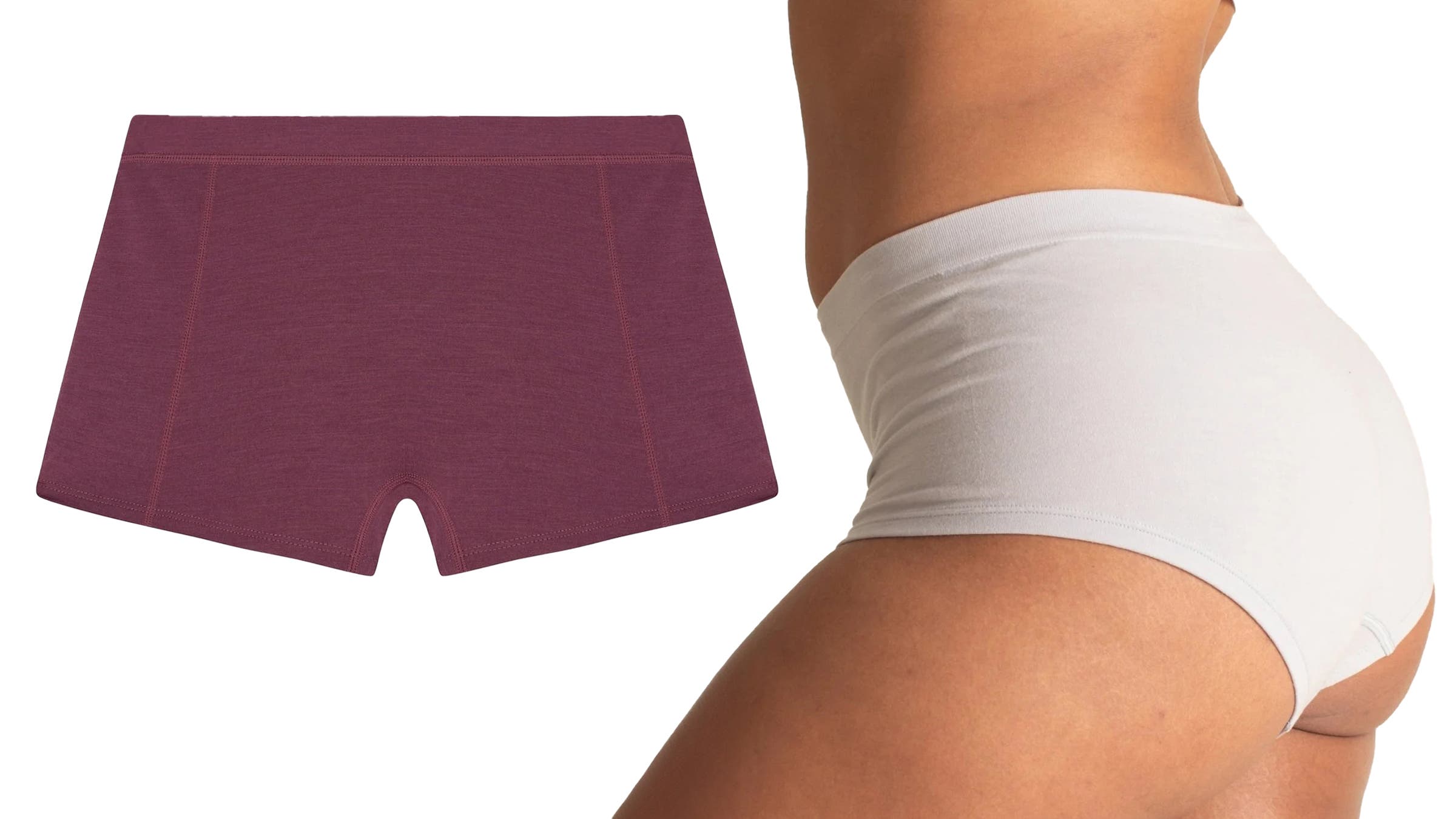
Wool-Blend Boy Short Underwear
Both Kristie and I place high value on wool undergarments for their next-to-skin coziness and ability to regulate body temperature by both insulating and pulling sweat away from the body. The cut of both the Women’s Ridge Merino Boy Short Underwear (84% Merino, 12% recycled nylon, 4% spandex) and Branwyn Essential Boyshort (81% Merino, 14% nylon, 5% spandex) provides greatly appreciated added coverage on otherwise cold buns. I also wear these under my long underwear and shell pants for snowboarding on very cold days.
Women’s Ridge Merino Boy Short Underwear and Branwyn Essential Boyshort
Wool-Blend Sports Bra
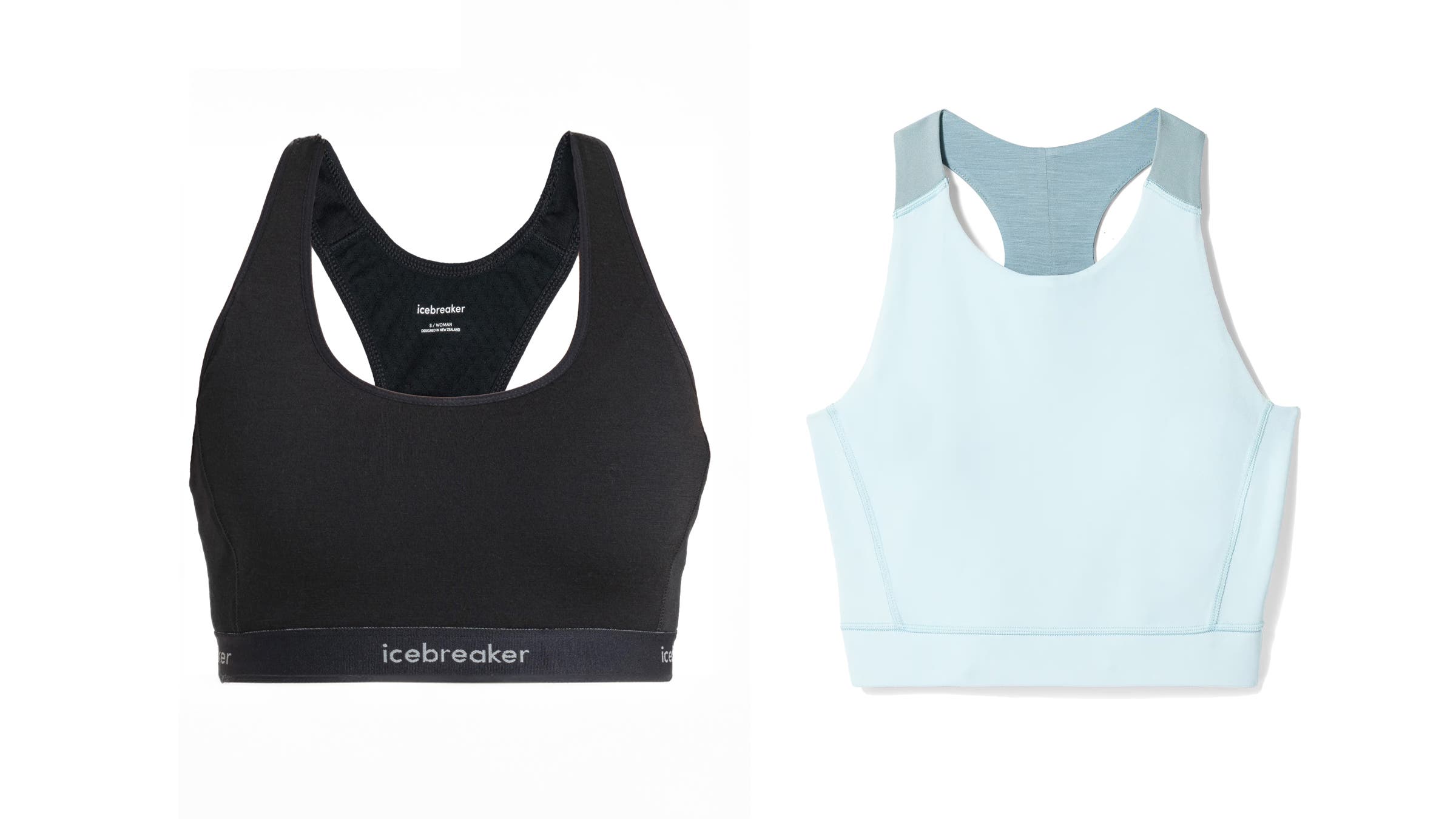
The Icebreaker Merino Blend 125 ZoneKnit Sports Bra is soft against the skin and keeps me both warm in cold temps and comfortable when I get sweaty. The “ZoneKnit” mesh paneling allows added ventilation for high-output running. The majority of the bra (56%) is made of Tencel Lyocell with 40% Merino wool (both materials are soft and sweat-wicking) with varying percentages of polyester and Lycra blended in throughout the bra’s layers and panels. If I’m looking for additional coverage, I reach for the Smartwool Active Crop Bra. Although the bra is made of mostly recycled nylon and recycled polyester, the next-to-skin lining is 15% Merino, making the longer cut feel great.
Icebreaker Merino Blend 125 ZoneKnit Sports Bra and Smartwool Active Crop Bra
Wool-blend Socks
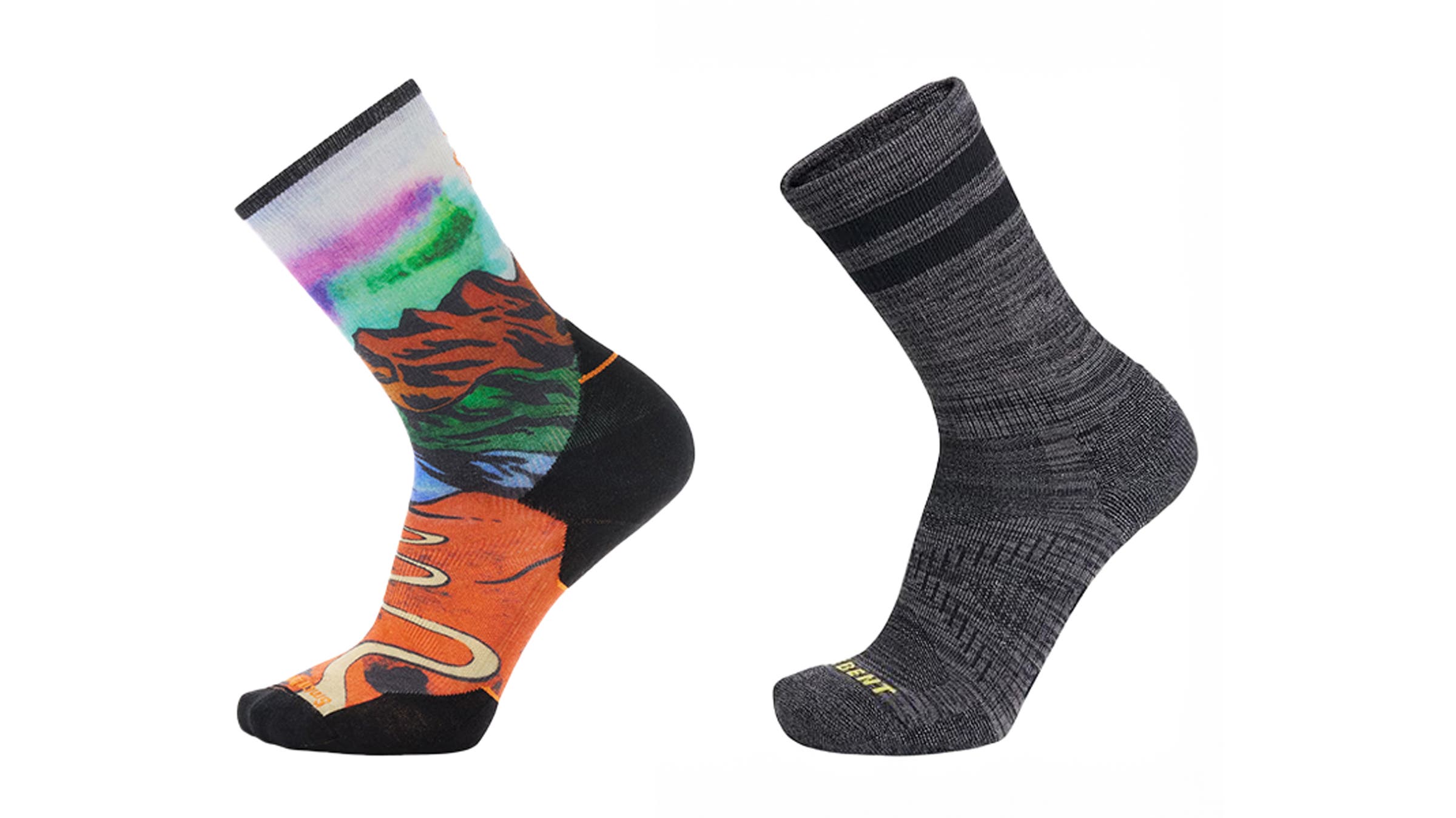
Being a big fan of Smartwool socks with a tendency toward hot feet (especially in Gore-Tex shoes), I reach for the thin Smartwool Trail Run Print Socks when heading out for a single-digit run. Kristie prefers the slightly thicker Le Bent Targeted Cushion Legacy ¾ Crew Sock. She says they do a great job keeping her feet warm—despite sweat and East Coast dampness—and she likes the targeted cushioning. The key to both of these socks, aside from their wool blends, is that they extend past the ankle and partway up the calf—because bundling up and then wearing ankle-baring socksdoesn’t make any sense.
Smartwool Trail Run Print Socks and Le Bent Targeted Cushion Legacy ¾ Crew Sock
Wool-blend Baselayer
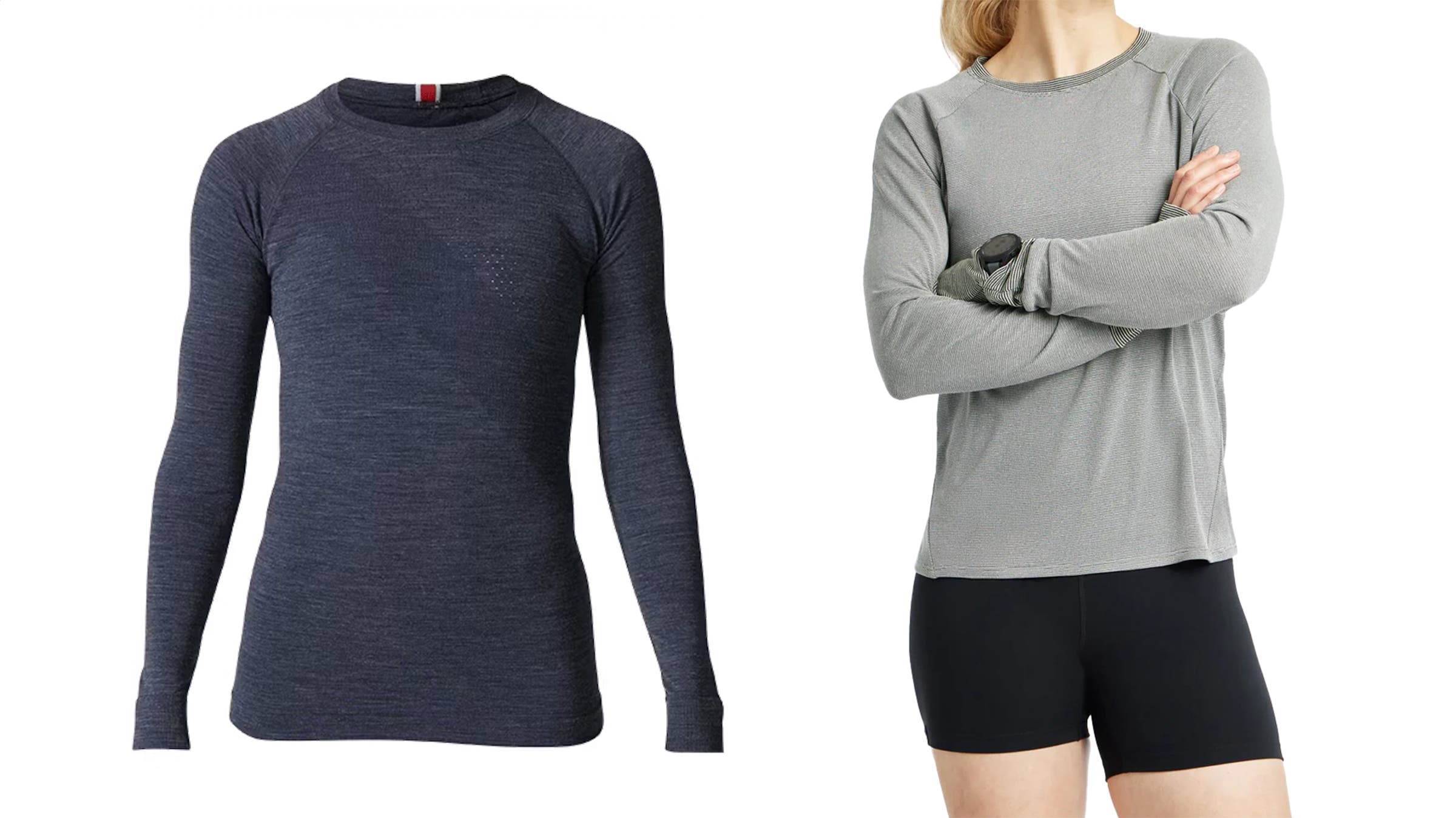
Frigid temps require multiple layers. My favorite next-to-skin piece is the Tracksmith Brighton Baselayer. Its soft wool blend feels great and regulates my temperature expertly. I like that it’s slim-fitting and doesn’t allow any air to reach my skin. Kristie has been enjoying the Oiselle Flyout Wool Classic LS, which she says is both warm and wicking in cold, damp conditions. It also has a watch window, which is great for checking splits or the time without baring skin.
Tracksmith Brighton Baselayer and Oiselle Flyout Wool Classic LS
Substantial Wool Midlayer/Outerlayer
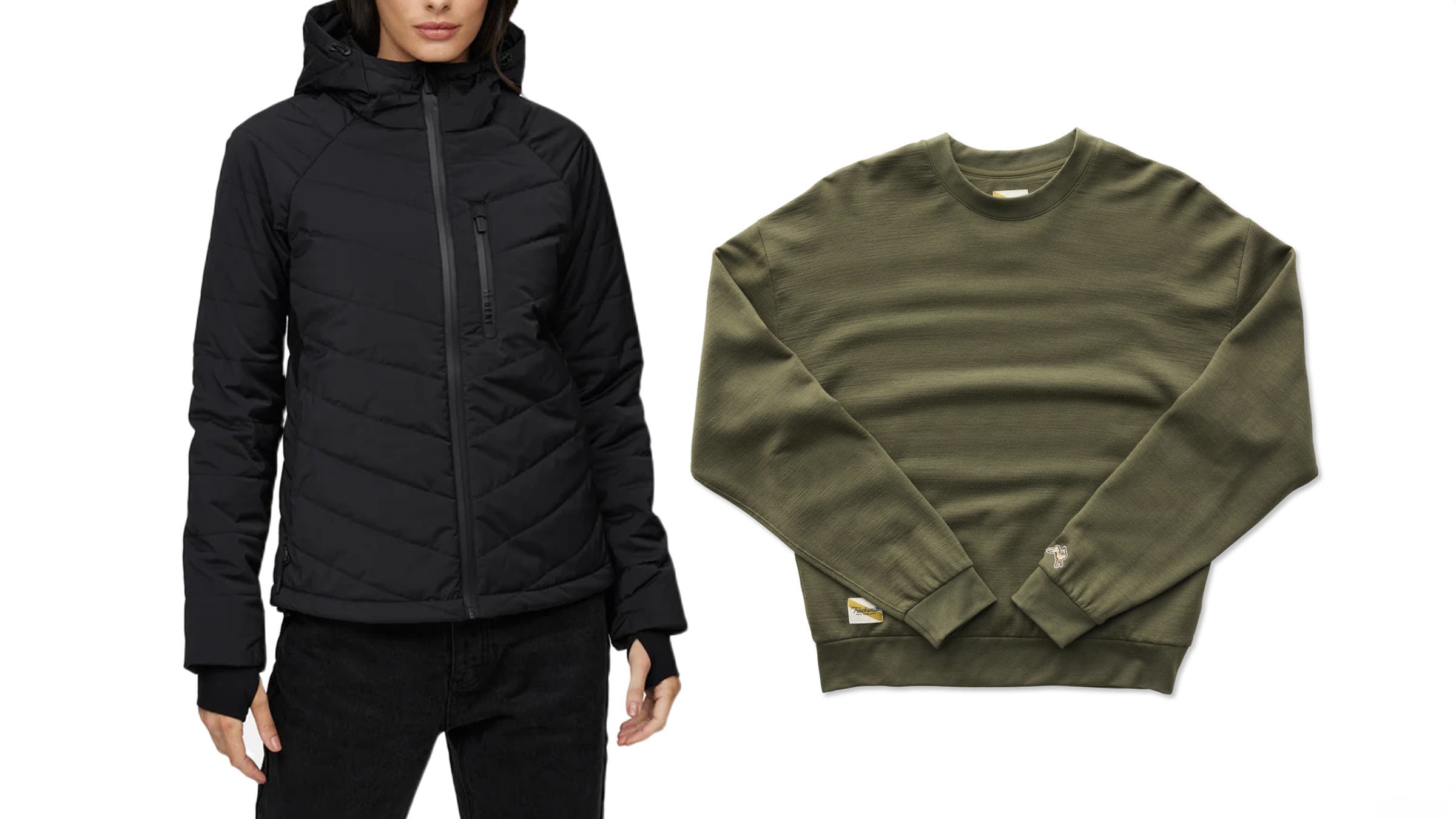
On a 9-degree run in Colorado, I was surprisingly comfortable with just the Tracksmith Downeaster Crew over my Brighton Baselayer. The Downeaster Crew is thick, like a good, cozy sweatshirt, and made of 100% hardworking wool. Kristie has been wearing the Le Bent Genepi Wool Insulated Hooded Jacket, which she says “cuts the frigid wind coming off the lakes,” thanks to its water-resistant shell and wool/recycled polyester insulation.
Tracksmith Downeaster Crew and Le Bent Genepi Wool Insulated Hooded Jacket
Shell Jacket
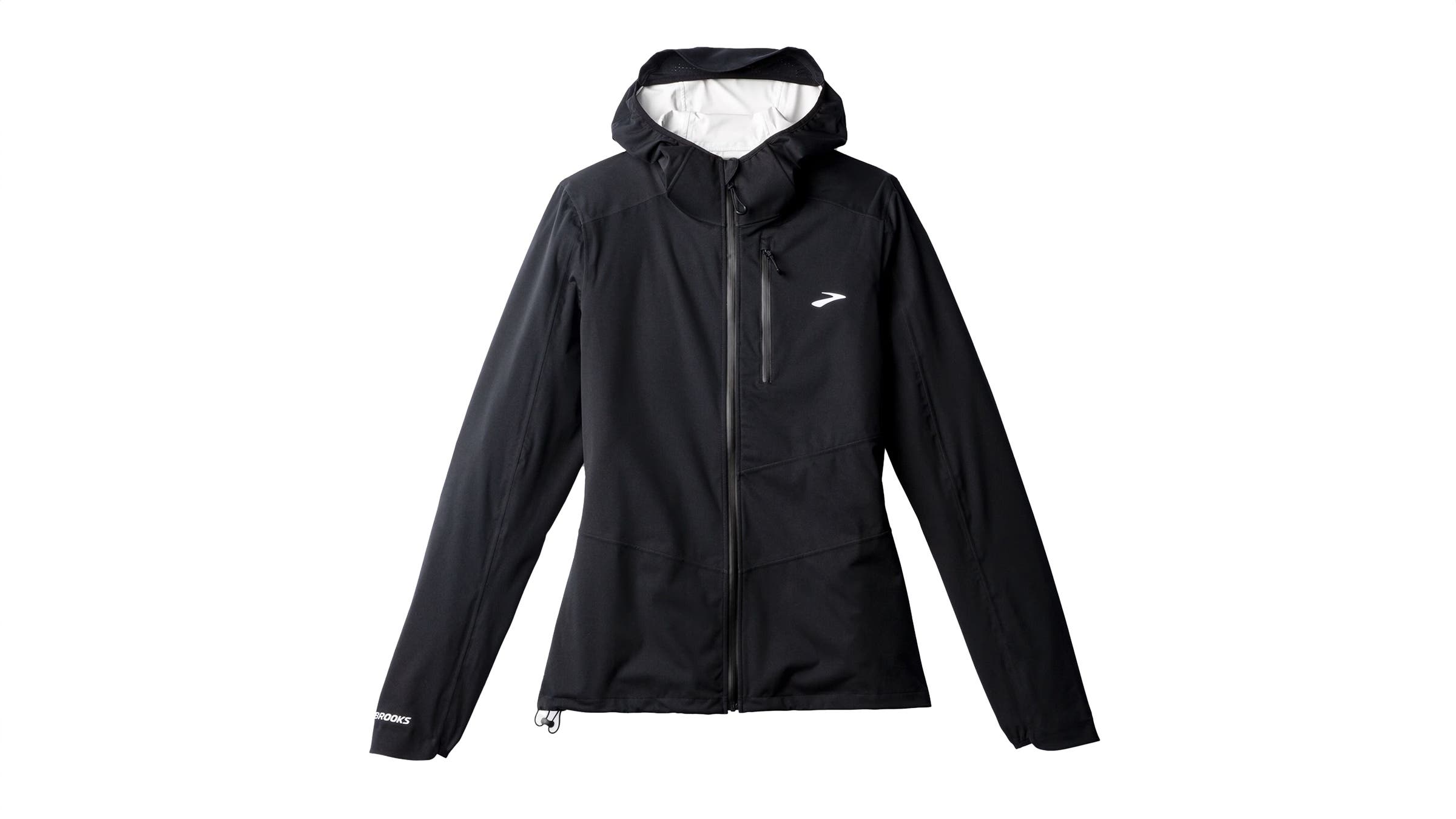
Often, single-digit conditions call for a final, protective outer layer, but since Colorado has been cold, dry, and often too windy to run, I haven’t needed to wear a shell jacket over my insulating layer. Kristie, however, facing extra cold conditions like 3 degrees and snowing, has been pulling on the Brooks High Point Waterproof Jacket 2 over her other two layers. The shell adds additional wind and wet protection with minimal weight.
Brooks High Point Waterproof Jacket 2
Warm, or Layered Pants
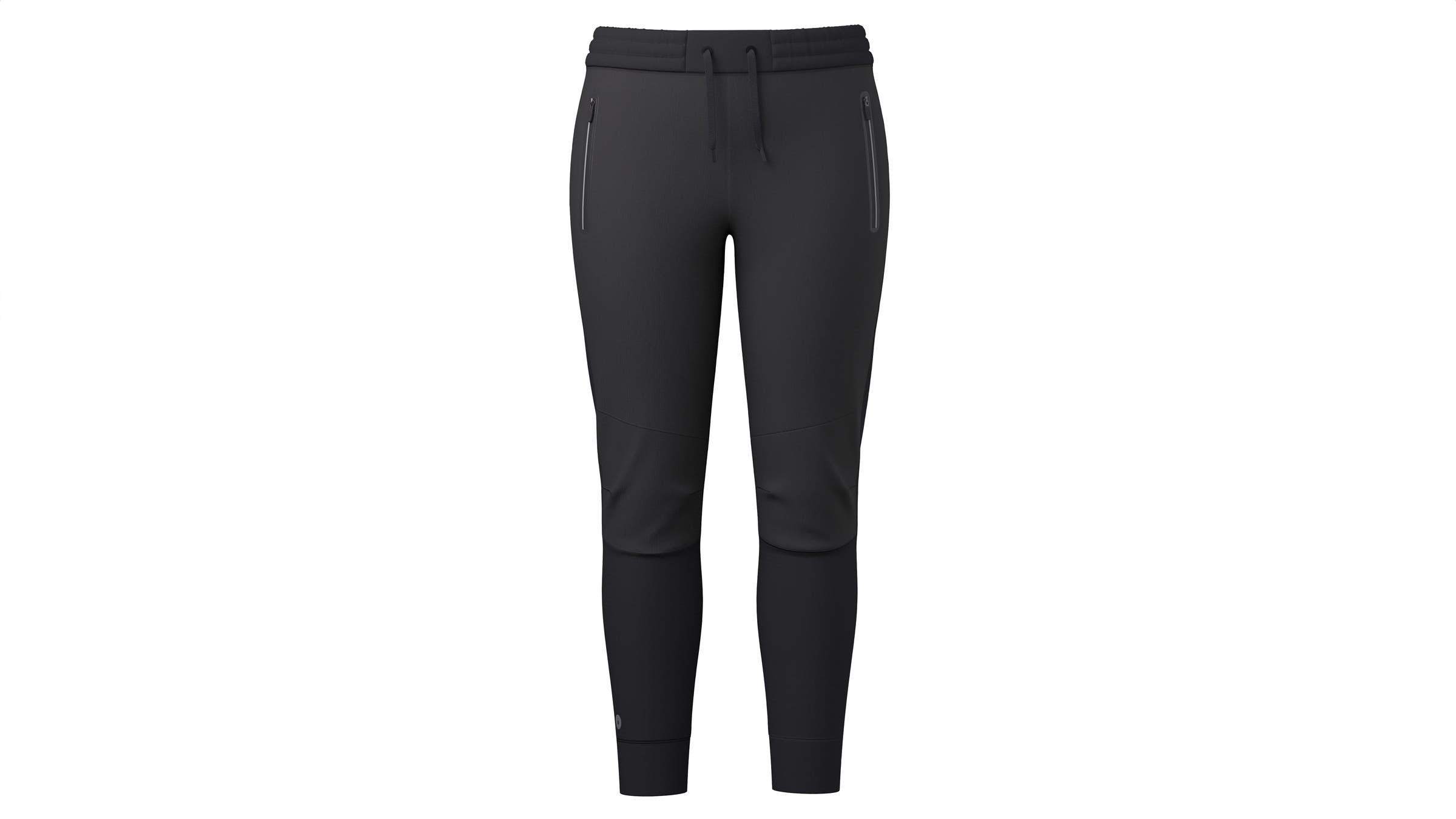
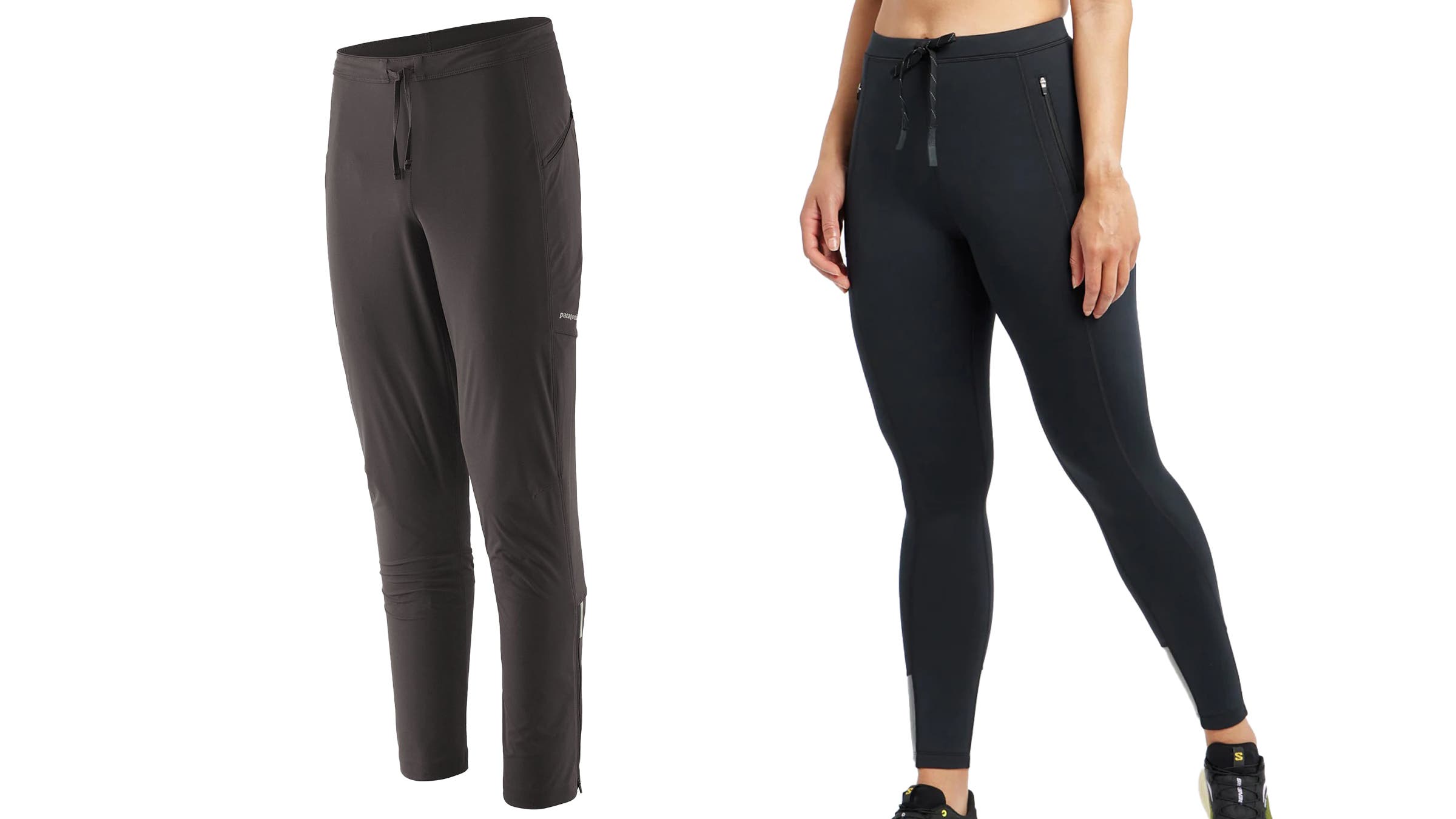
Since I’m not facing much moisture, I’ve stayed warm in the Smartwool Active Fleece Wind Pants, even in single digits. They’re just like the thick, warm-but-breathable Active Fleece Pants we’ve loved and reviewed, but with windblocking DWR paneling on the thighs. That panel provides added warmth, whether it’s calm or windy. Kristie has been wearing the Oiselle Fireglow Fleece Tights underneath the Patagonia Wind Shield Pants for double-layer warmth and protection. The interior of the Fireglow Fleece Pants is soft and warm, while the sleek exterior allows for easy layering over them. Meanwhile, the Patagonia Wind Shield Pants have a relaxed cut that accommodates a layer underneath and breathable paneling that allows heat to escape.
Smartwool Active Fleece Wind Pants
Oiselle Fireglow Fleece Tights and Patagonia Wind Shield Pants
Head and Face Coverings
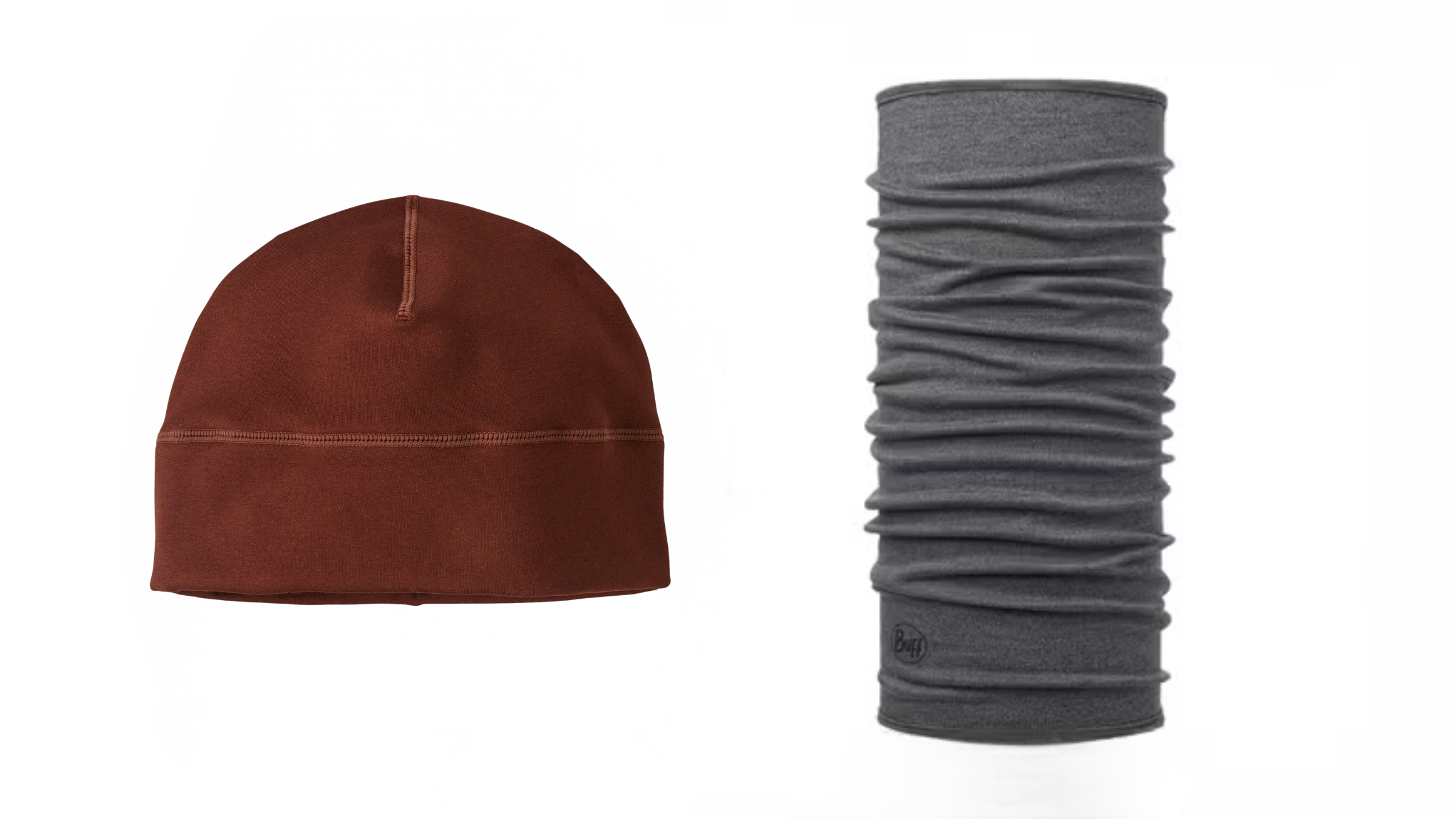
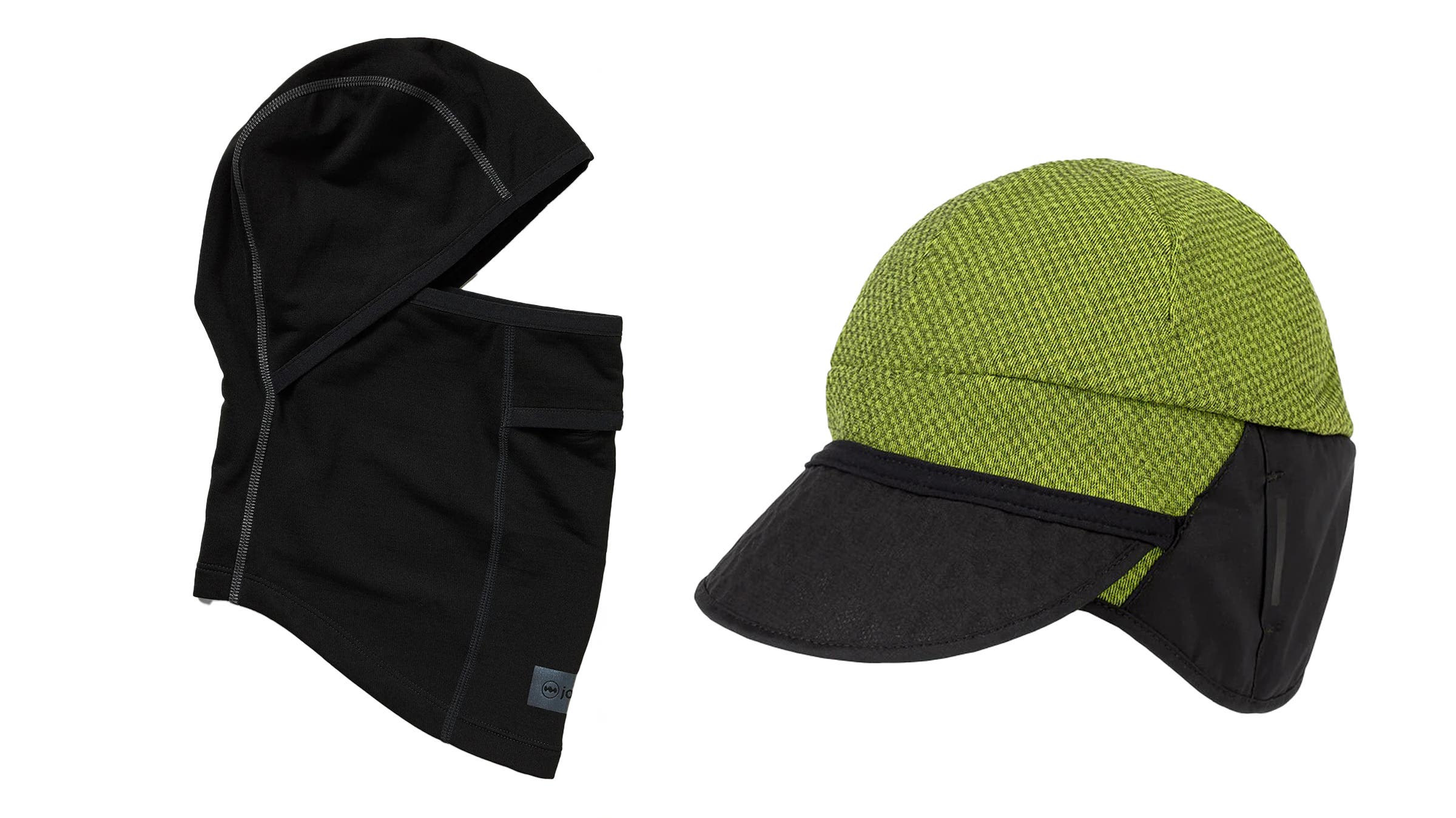
No matter how cold it is, I wear a simple beanie like the Patagonia R1 Daily because I need heat to escape from my head (I run hot). When it’s truly freezing, however, I add a wool neck gaiter like the Buff Merino Midweight Neckwear. I like the ability to pull the gaiter up over my nose when my face gets chilled, and to push it back under my chin if I’m warm. For windy days, both Kristie and I use the Janji Balaclava, which does a great job of covering the majority of our faces without suffocating. Kristie pairs the balaclava with the insulated Ciele VLV Beanie Lite or the Trailheads Adventure Ponytail hat. They both keep her ears warm and offer some protection from falling snow or sleet.
Patagonia R1 Daily Beanie and Buff Merino Midweight Neckwear
Janji Balaclava and Ciele VLV Beanie Lite
Mittens
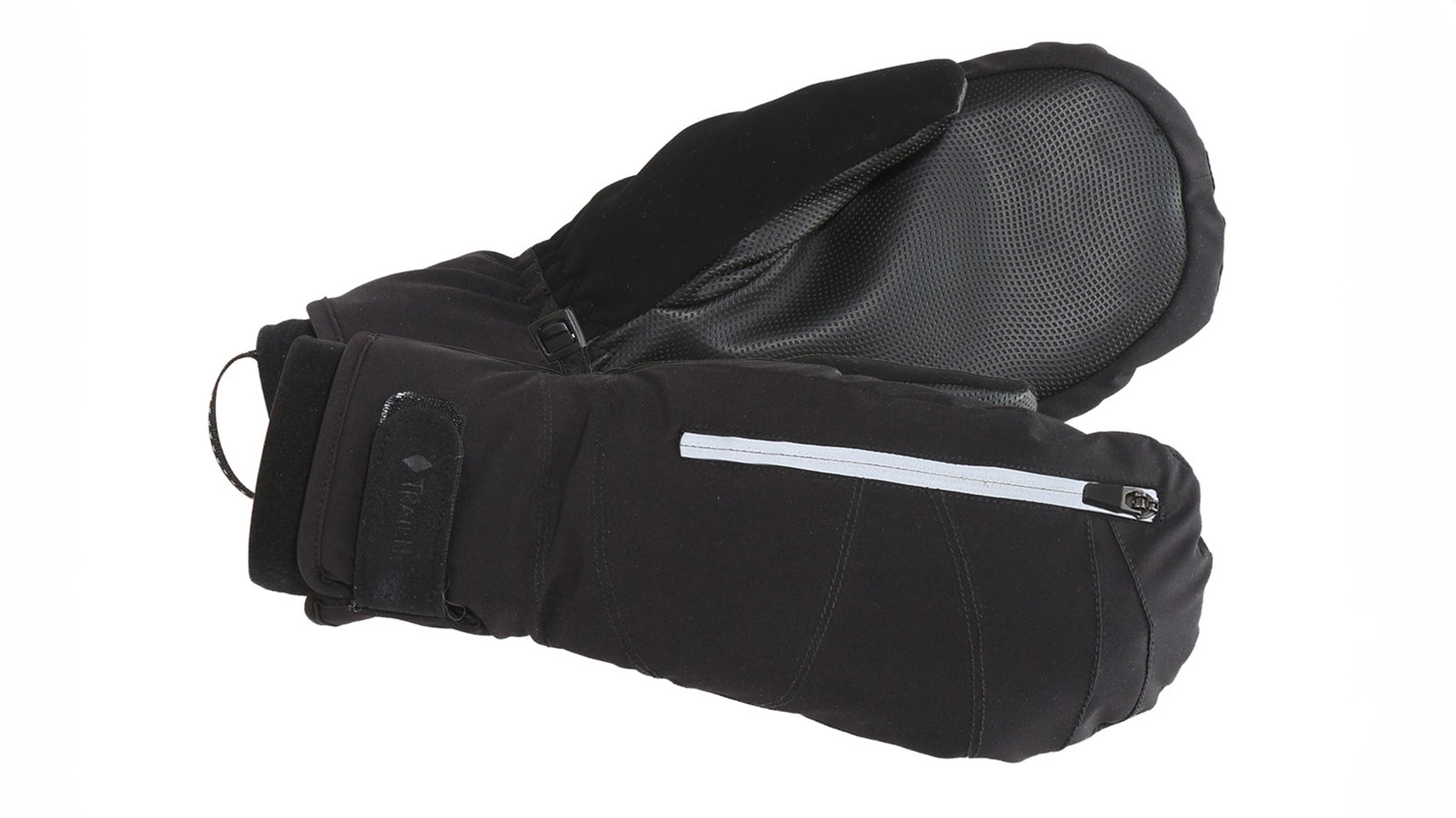
Mittens are always warmer than gloves because they conserve body heat by keeping fingers together. Both Kristie and I swear by the Trailheads Convertible Zip Mitts to ward off frostbite when it’s frigid. The longitudinal zipper frees up fingers for tasks like texting or fumbling for a car key, but when zipped, these mitts provide warmth with recycled Primaloft insulation, long cuffs that close any gap between sleeves and hands, and a recycled polyester/spandex shell that keeps wind at bay. “They’re like an insulated, soft, and cozy sleeping bag for your hands,” Kristie says.
Trailheads Convertible Zip Mitts