Published February 27, 2026 03:05AM
My Exhausting, Expensive, and Endless Quest to Find Plus-Size Ski Gear
I realized that gear isn’t just gear. It’s a gatekeeper. And gear that hugs and tugs in all the wrong places doesn’t whisper. It declares: this ain’t for you, girl.
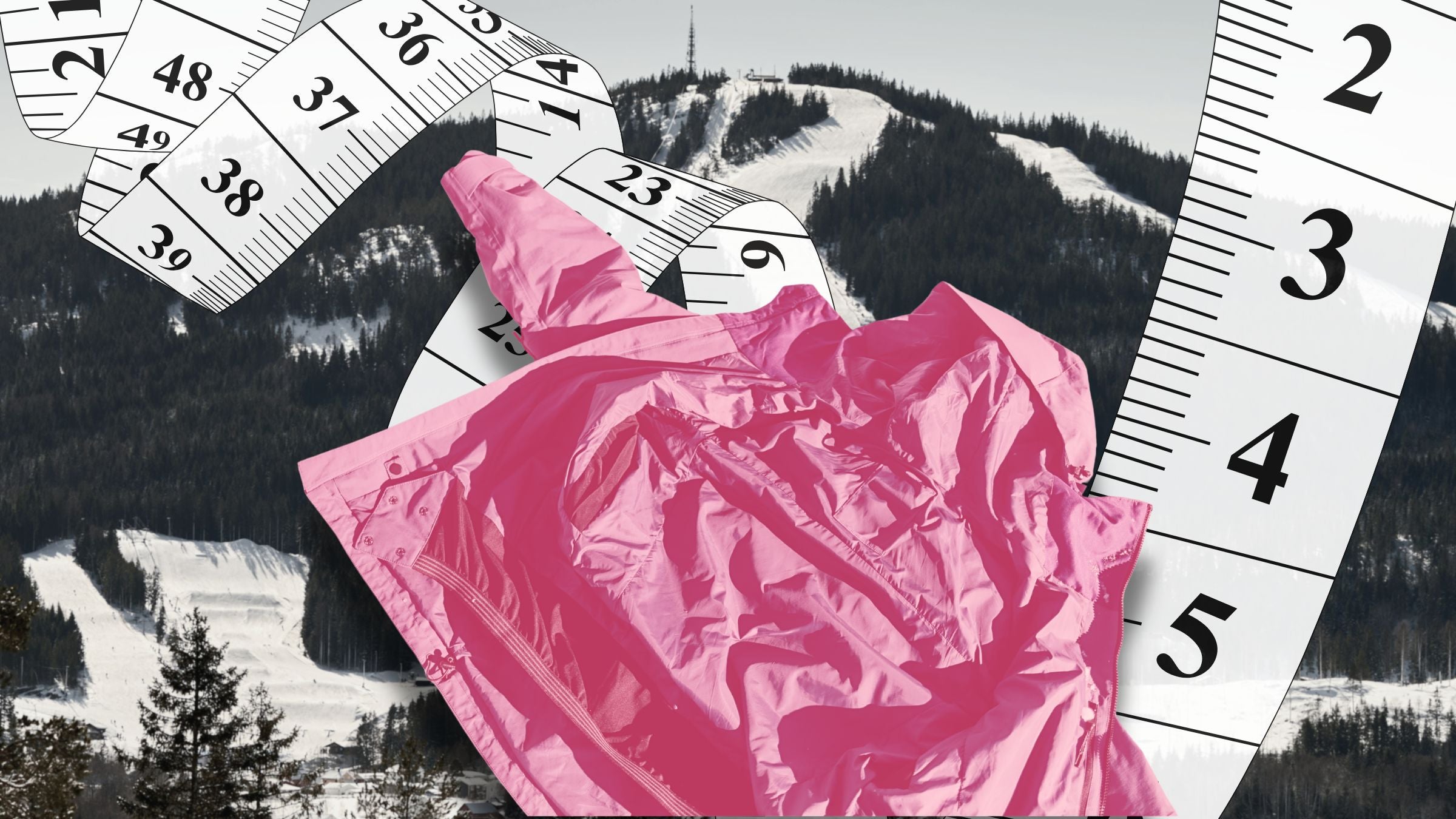
(Photo: Ski jacket: Olga Pankova/Getty; Design: Ayana Underwood/Canva)
Somewhere between the snow-crusted hills of western Massachusetts and the humming fluorescent lights of a Boston big-box store, I hit a wall. A literal wall of ski jackets. Looking at the options, I was already overwhelmed.
It was February of 2017. I hadn’t skied in years, but I’d agreed to a quick weekend ski trip with a group of friends—nothing too intense, just a couple of days of downhill skiing, après drinks, and cozy cabin vibes. I was plus-size then, still learning how to inhabit a body that drew glances and unsolicited advice in gym locker rooms.
I walked past the smalls, mediums, and larges, knowing browsing them was pointless. I scavenged through the XLs and even a few 2XLs. I reached for a few hopefuls. A salesperson, who was clearly out of their depth, said, “That brand runs small,” and offered a tight smile.
ADVERTISEMENT
Eventually, I found one jacket I could shrug on. It zipped—barely—after I took a deep breath and held it. But it didn’t fit. Not really. It was more like being vacuum-sealed in nylon. I did all the usual things you do when trying on a ski jacket. Lifted my arms. Bent over. Twisted from side to side. I even dropped into a slight squat, trying to mimic the motion of skiing through moguls—arms forward, as if planting poles in fresh powder.
That’s when things got tense. Literally.
The jacket seized up at the shoulders the moment I reached forward. My right arm locked up over pretend mogul number one. By mogul number two, the chest pull was so aggressive I genuinely worried the zipper might surrender. I caught myself holding still—not for balance, but out of fear that one more movement might split the thing open right inside the store. How thin will my base layer need to be to avoid a blowout on the mountain? I wondered.
Concerns about comfort took a backseat as I mentally thumbed through worst-case scenarios. I imagined the very real possibility of fabric ripping mid-squat while I struggled to secure my ski boots in the lodge, surrounded by people. That’s a recurring nightmare of mine, actually—one of those “naked on stage” dreams, but for plus-size folks. A rip, a snap, a zipper pop in public. Total exposure. Not because of carelessness, but because the thing you bought to protect you decides to tap out mid-task.
ADVERTISEMENT
Still, I bought the jacket. I paid more than $200 for something that fought back every time I moved. It was that…or not go.
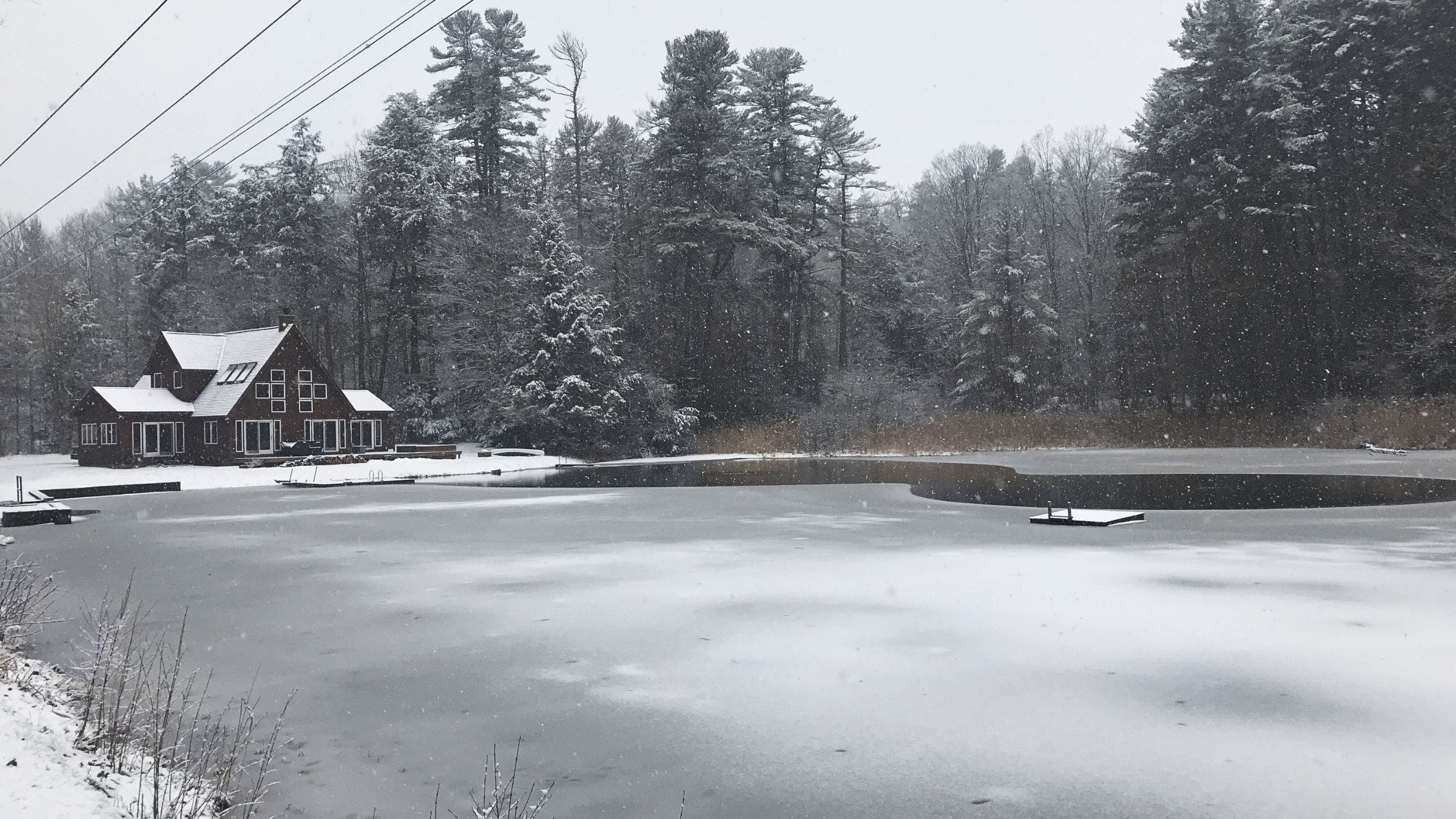
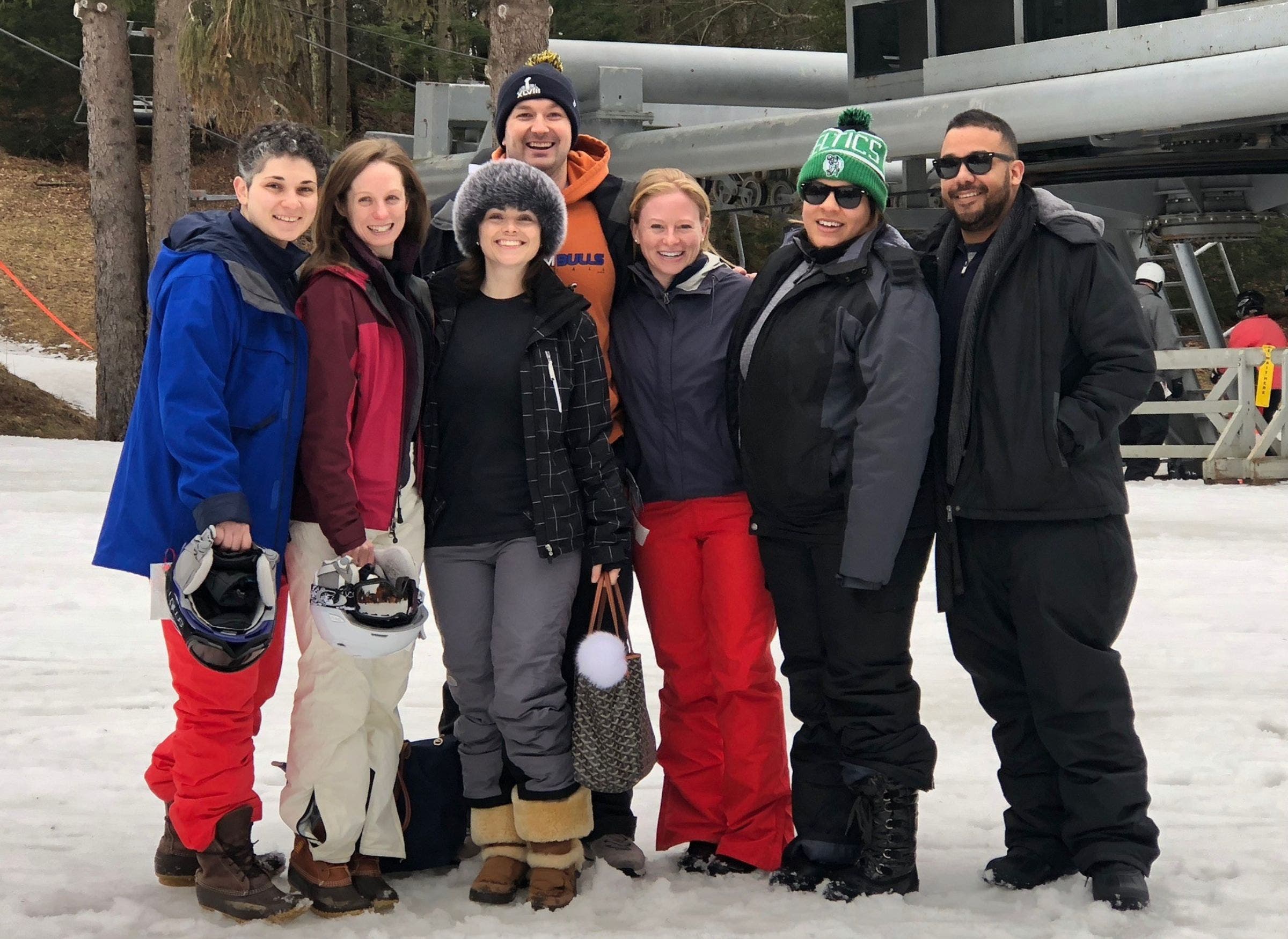
We were going to Butternut, a small ski resort in Great Barrington, Massachusetts—a place I hadn’t visited since childhood. It was one of those girls’ getaways that sounded fun in theory. The reality, though, was more complicated—especially in a bigger body. There were eight of us crammed into two cars, a mix of college friends and plus-ones, all headed west from Boston. I sat in the backseat, trying not to think about the ski jacket buried in my duffel.
We drove up the long, snow-packed driveway and arrived at the cabin. As we unpacked and claimed rooms, I laughed along and made small talk, but I also clocked the nearest bedroom with a lock. The thought of someone walking in while I wrestled myself into that jacket, huffing, puffing, red-faced, and half-zippered, was enough to make me shudder.
I realized that gear isn’t just gear. It’s a gatekeeper. And gear that hugs and tugs in all the wrong places doesn’t whisper. It declares: this ain’t for you, girl.
After a late night of group-cooking and a little too much wine, we woke up early the next morning to make our way to the slopes. We noticed a handful of long-faced skiers and snowboarders walking back to their vehicles. Someone from our group rolled down the window to inquire about the early exodus. The slopes were closed for the day. It was too icy to be safe. Everyone in the car groaned with disappointment. Everyone except me. It was Sunday morning, and we were heading back to the city early Monday afternoon, so this was our only day to ski. I was bummed that I had pre-purchased my lift ticket, but I was trying not to let the look of relief creep onto my face.
ADVERTISEMENT
The trip wasn’t a total disaster, though. There were cozy fireside chats, a luxuriously steamy outdoor hot tub, and hot chocolate that tasted better than it should have coming from a foil pouch. But still, something lodged in me during that trip. Something I didn’t have the words for at the time.
I realized that gear isn’t just gear. It’s a gatekeeper. And gear that hugs and tugs in all the wrong places doesn’t whisper. It declares: this ain’t for you, girl.
From Plus-Size to “Regular”
A few years passed, and my body changed. I lost over 100 pounds slowly, inconsistently, but with focused intent. That ski trip didn’t launch some dramatic transformation montage, but it joined a growing pile of moments that collectively said something had to give.
I’d made a quiet deal with myself years earlier: I didn’t want to be fat in my mid-thirties. Not because I wasn’t confident, but because I was exhausted. Tired of filtering my life through the limits of my body. Tired of skipping things I actually wanted to do. The heavier I got, the more I felt myself shrinking—not physically, but in how I moved through the world.
ADVERTISEMENT
So I got methodical. I started seeing a nutritionist who helped me build out a meal plan and keep a food journal that actually made sense for my lifestyle. I began walking three to five times a week—nothing fancy, just around the neighborhood—and eventually built up to jogging, then running. I added Pilates once a week. On weekends, I’d tackle a longer hike or loop in the park. I went rain or shine. That was non-negotiable. Some weeks, I crushed it. Others, not so much. But I kept showing up.
As the weight came off, it felt like I was crawling out of a shadow I hadn’t realized I’d been standing in. Suddenly, I was being invited to rooftop workouts and pulled into intense debates about fasting windows, as if I’d joined some secret society. The shift was equal parts validating and enraging, and I kept going. During my workouts, I wasn’t just building muscle—I was building staying power. I was learning how to be in my body when things got hard. Giving up didn’t feel like an option anymore. In fact, it stopped being a consideration I was willing to make.
I figured the hard part was over. Surely now, gear would work. But it didn’t.
ADVERTISEMENT
Even in a leaner, more “acceptable” body, ski jackets still betrayed me. Some were too tight in the shoulders or too loose in the waist. Others bunched in strange places or floated awkwardly around my frame, like they couldn’t quite figure out what I was supposed to be.
I’d double-check the sizing tag and shift my posture. Maybe I was standing wrong? I criticized my torso, my hips, and the cheat-day donut I had earlier that day.
I didn’t think to question the gear. I questioned myself. But it turns out that the sizing system we rely on was never built to serve most of us.
ADVERTISEMENT
The Bad Science Behind Clothing Size
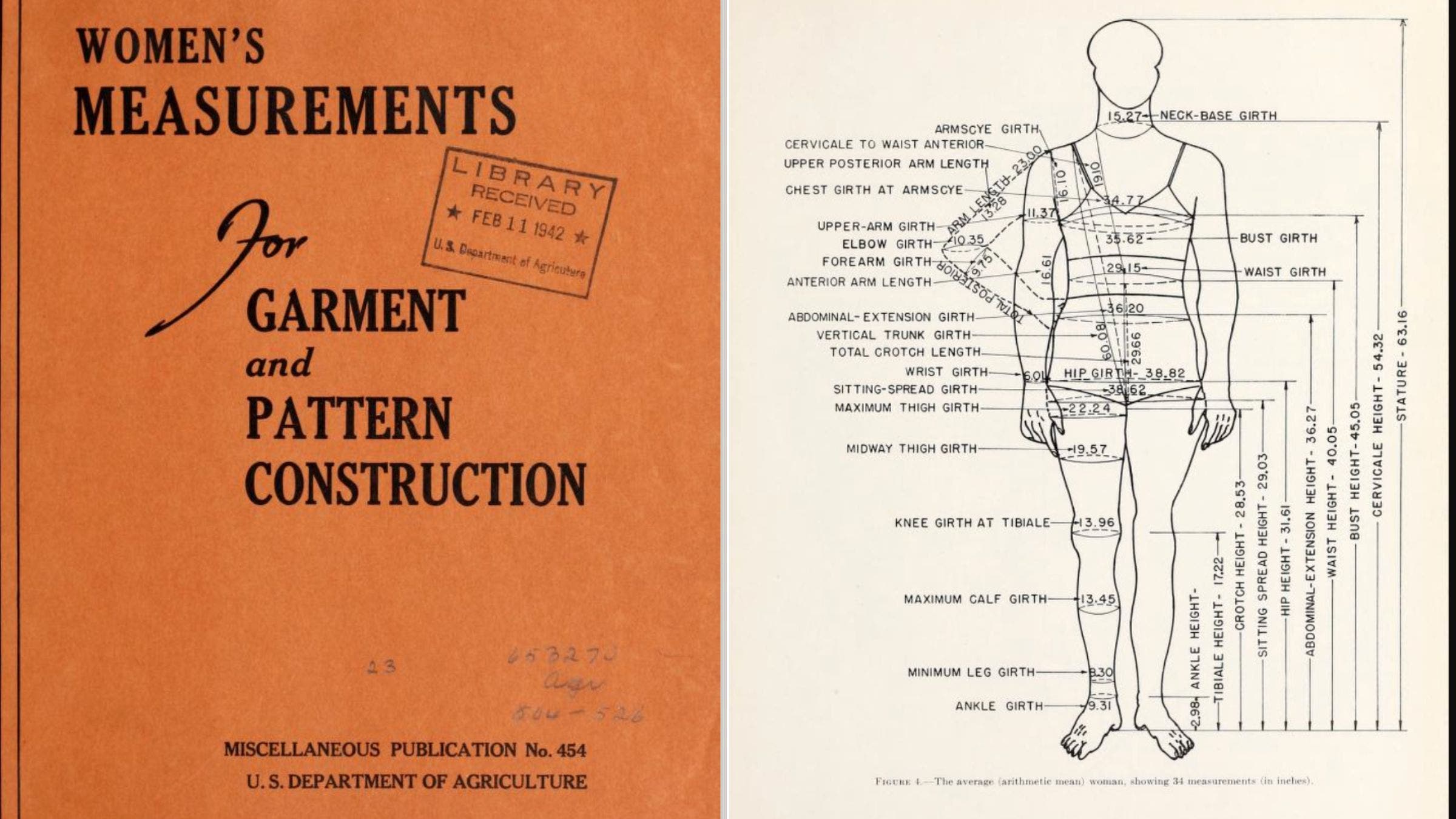
In 1939, the United States Department of Agriculture (USDA) launched a research project that measured nearly 15,000 women and collected 58 body measurements per person. But when it came time to develop actual sizing standards, only a fraction of those data points were used. The result was a rigid, narrow definition of the “average” female body.
By the early 1980s, those flawed standards were abandoned. Instead, according to a 2014 Time article on the history of women’s sizing, brands were left to create their own sizing charts. This led to inconsistent labeling. A size 10 in one store could feel like a size 6 in another.
Outdoor sports didn’t escape the sizing drama—if anything, sports magnified sizing’s glaring issues. Ski apparel, in particular, has a long, lopsided history when it comes to women.
Early ski gear designs prioritized warmth and protection over movement or proper fit. According to a timeline of ski fashion from the Colorado Snowsports Museum, it wasn’t until the 1930s that women even started wearing ski trousers instead of heavy skirts.
A 2016 study found that after wearing and using ski and snowboarding gear, people reported dissatisfaction with attributes such as comfort, ease of movement, and fit. Comments on a recent thread on Reddit’s r/Skigear forum second my crappy gear experiences, in which Redditors lament a lack of appropriate gear for women with curvaceous figures. One user wrote, “Everything for women is so tight and bigger sizes are just longer and still not shaped to fit curves right.”
The complaints weren’t just about vanity sizing. They were about movement. “Thigh to waist ratio, pockets rendered useless with the legs too tight,” one commenter noted. Another summed it up more bluntly: “Do designers literally not know how women piss?”
ADVERTISEMENT
That frustration has a specific name in the outdoor industry: “shrink it and pink it.” It’s still the go-to strategy for some brands designing for women. Take a men’s garment, make it smaller, slap on a pastel colorway, and call it “female-specific.” But a smaller men’s cut isn’t a women’s cut; it’s often just a bad cut.
Bad sizing is not just annoying; it wears you down. It chips away at your energy, your comfort, your confidence. Suddenly, the hardest part of skiing isn’t the skiing—it’s the getting dressed. So when jackets still didn’t fit me—even after I’d changed my body in all the ways I thought I was supposed to—I felt like a failure. But the real failure was the gear.
When gear fits poorly, it doesn’t just make things awkward; it can make things unsafe.
Take, for example, a personal flotation device. According to the U.S. National Park Service, a properly fitting life jacket should sit snug against your torso and stay put when you lift your arms. But for a woman with, say, a larger chest, it likely won’t work that way. The foam panels can press awkwardly against the bust, forcing the vest to ride up toward the chin when arms are raised. Gaps form at the sides. The shoulder straps dig in. In the water, that poor fit can cause the jacket to shift upward instead of stabilizing the body the way it’s meant to. I’ve seen paddlers wear double sports bras just to flatten their profile enough for the vest to sit properly.
The thing is: when life jackets aren’t worn, the risk of drowning increases. Per a 2018 review, if your lifejacket is uncomfortable, you’re less likely to wear it. Nearly 80 percent of people who die during boating accidents were not wearing a lifejacket.
A 2021 review assessing the comfort of sportswear notes what many wearers already know: gear designed without ergonomics in mind can negatively impact performance by limiting range of motion, reach, and dexterity.
With my ski jacket, the restriction didn’t just bother me—it interfered with how I moved. The tight shoulders shortened my reach, the chest pull distracted me, and instead of focusing on the slopes, I was worrying about whether I could comfortably get off the ski lift.
ADVERTISEMENT
It wasn’t just the potential of cold creeping in at the wrists where the sleeves rode up, or the wind sneaking under the hem when I bent to buckle my boots—it was the constant awareness that my gear wasn’t working with me. I was so focused on the tightness across my chest, the way the jacket resisted every twist and turn, that I knew I wouldn’t be thinking about the slope in front of me. I would be thinking about my clothes. That’s not exactly the headspace you want to be in when you’re pointing downhill.
The Outdoor Brands Making Gear Inclusive
There are outdoor brands doing the work—expanding sizing beyond the traditional range and rethinking what those sizes actually mean. Because inclusive sizing isn’t just about adding a 2XL; it’s about designing for different shapes, proportions, and performance needs from the start. For example, an XXL and a 2X are actually not the same; the latter is plus sizing and made from a separate pattern of the original style with differing proportions. Size inclusivity also means offering the same styles in multiple sizes rather than separating standard styles from plus-size options.
Girlfriend Collective, in 2016, became one of the first brands to make performance sportswear from recycled materials and offers designs in a range of sizes from XXS to 6XL. Osprey, a longtime leader in backpack design, has moved beyond one-size-fits-most thinking by incorporating adjustable torso lengths, interchangeable hip belts, and customizable harness systems into many of its packs. That means users can fine-tune how weight sits on their hips and shoulders—critical for comfort and balance on the trail. And Columbia, founded in 1938, has steadily expanded its extended sizing across snow jackets and pants for more than two decades, offering up to 3X in many women’s styles and investing in separate pattern grading rather than simply scaling up smaller designs.
Slowly and steadily, the racks are beginning to reflect the real people who are showing up at the mountain. The work isn’t done, but the shift feels real.
ADVERTISEMENT
In 2024, Jenny Bruso—the creator of Unlikely Hikers, a community she founded to celebrate and encourage diversity in the outdoors—partnered with Gregory Mountain Products to design a line of backpacks for a range of body sizes, up to 6X. According to the Outdoor Industry Association, Gregory is “the first pack manufacturer to launch a plus-size pack collection in 2021.” Gregory’s plus-size packs aren’t just upsized versions of the originals—they’re engineered with adjusted angles, strap lengths, and proportions to better accommodate larger bodies without compromising function or comfort.
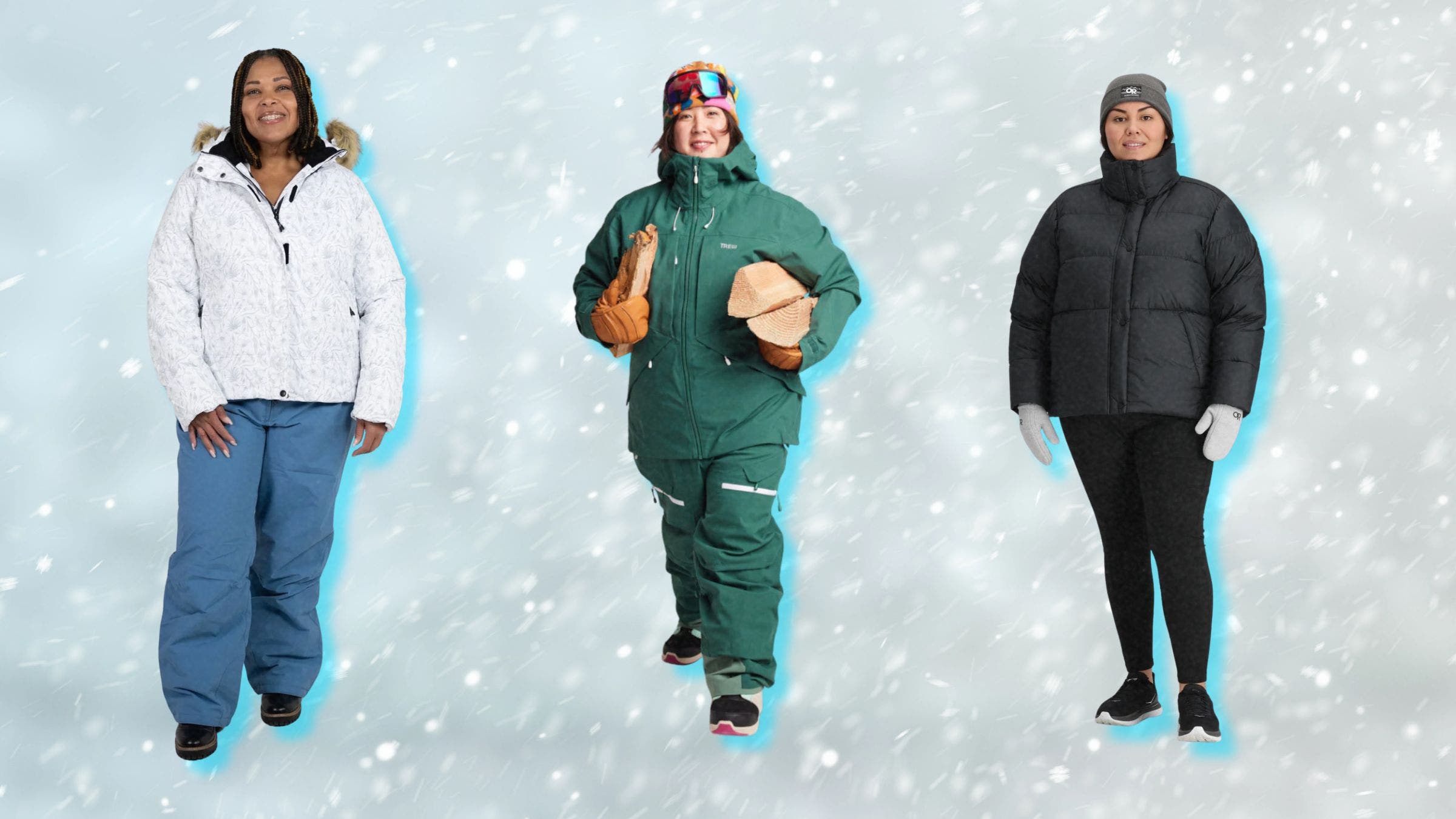
More brands than ever are reimagining snow gear for bodies that have long been excluded. It’s not just about extending sizes; it’s about designing gear from the ground up, with real people and real movement in mind.
Snow Country Outerwear is one of the brands helping lead that shift. The online shop’s plus-size women’s jackets range from 1X to 6X, and plus-size men’s jackets run from 2X to 7X; they also offer standard fit. “We focus heavily on comfort and fit,” says Colleen Reichard, founder and president of Snow Country Outerwear. “Because when you’re warm and can move freely, you’re confident—and that’s what matters on the slopes.”
Snow Country Outerwear brings in plus-size models early in the design process to gather meaningful feedback. “We ask our plus-size customers the same questions we ask all our athletes: Where does it pull? Where does it ride up? What’s working, and what isn’t?” says Reichard. The result is gear that doesn’t just fit—it supports the kind of movement, warmth, and confidence that makes skiing feel possible.
ADVERTISEMENT
Halfdays, a women-founded brand focused on fashion-forward ski gear, offers sizes up to 2X and puts customer feedback at the center of its design updates. The North Face currently offers men’s and women’s ski jackets up to size 5X and 3X, respectively. L.L.Bean also sells extended sizing across its outerwear line. Brands like Outdoor Research and TREW offer plus sizing options and challenge outdated assumptions about who outdoor performance gear is made for.
Slowly and steadily, the racks are beginning to reflect the real people who are showing up at the mountain. The work isn’t done, but the shift feels real. And with more skiers speaking up and more brands listening, the future of outdoor gear is starting to look a little more like the outdoors itself: diverse, dynamic, and built to move.
I think about that 2017 version of me in the gear store a lot. Walking past jackets I already knew weren’t made for me. Buying one that barely fit. Not because I loved it, not because it worked, but because it was my only option.
I’m relieved that brands and technology have made strides. A 2025 study published in the journal Nature notes that 3D scanning techniques can help make clothing actually fit and work for the people it’s meant for.
“Our research revealed that body diversity operates on two critical dimensions: horizontal circumferences and vertical proportions,” explains the study’s lead researcher, Ruqey Alhassawi. In practical terms, that means two people who wear the same labeled size might have completely different torso lengths, shoulder widths, or hip-to-waist ratios.
In her study of 677 participants, more than 90 percent varied across basic measurements like bust, waist, and hips—and more than a third didn’t fit into any standard size in the UK system that was tested. “Traditional sizing systems weren’t built for real bodies,” Alhassawi says. “They assume people scale proportionally, which simply isn’t true.”
ADVERTISEMENT
That mismatch matters more in technical gear than in everyday clothing. A jacket that’s tight in the shoulders can restrict mobility; one that’s too loose can create cold spots or cause safety equipment to shift. “Clothing that’s too tight can restrict movement or breathing, while loose fits create cold spots,” she explains.
3D body scanning offers a different approach. By capturing dimensions like shoulder width, torso length, arm length, and thigh circumference—measurements ignored in traditional S/M/L sizing—brands can predict fit with far greater accuracy. “The tools are largely ready,” Alhassawi says. “The next step is industry alignment.”
This kind of body-aware design isn’t limited to academic studies. In an October 2025 episode of the Culture Study Podcast called “The Outdoor Gearification of the American Wardrobe,” host Anne Helen Petersen interviewed Avery Trufelman, the host of the fashion podcast Articles of Interest. In it, Trufelman details a recent trip to REI’s headquarters in Washington, where a testing room had around 40 mannequins, which she says had “wildly different heights, different hips, different waists.” She also discusses REI’s expanded sleeping bag sizing. As of 2024, there are now nine sizes, up from four.
The first time I laced up my Brooks Adrenaline GTS 24s, I didn’t expect magic—I expected another maybe-good-enough shoe with a too-narrow toe box and a promise of “support” that would disappear by mile two. But from the start, it was different. The nitrogen-infused cushioning softened the impact so I could keep going. My knees stayed quiet. My flat feet, usually the first to protest, relaxed into the wide toe box and found a more natural stride. I ran farther without thinking about the mechanics of every step. I was moving freely.
That’s what good gear does. It gets out of the way.
More brands are listening to what real people need. As Reichard of Snow Country put it: “We’re realistic about the fact that fit is never ‘perfect,’ especially across a wide range of body types—but we’re deeply committed to improving every season.”
It’s a reminder that change doesn’t always arrive all at once. Sometimes, it comes piece by piece—one jacket, one shoe, one thoughtful redesign at a time. And while we’re still a ways off from true inclusivity in outdoor gear, you can feel the ground shifting. Because the more people speak up—and the more brands listen—the more possible it becomes to not just show up in spite of what we’re wearing, but because of it.
