Updated October 11, 2024 12:02PM
Can Dogs Eat Bananas? Human Foods That Dogs Can—and Can't—Safely Eat
Healthy human snacks don’t always translate well for pups. Veterinarian Dr. Heather Berst, MA, VMD, shares what treats are okay—and which should be avoided.
(Photo: Patty Hodapp)
We’re all mammals here, so it would make sense that many of the foods that power people would do the same for dogs. Sharing healthy snacks like carrots, blueberries, and strawberries with our dogs is easy, but are they actually good for them?
Dogs aren’t known for their discriminating palettes. Greasy hamburgers, roadkill, colored chalk, and tortilla chips all got the same five-star review from my dog. That said, for obvious reasons, a pup’s enthusiasm doesn’t serve as a reliable guide for what dogs can safely eat. In an effort to get more clarity, we called up long-time veterinarian Dr. Heather Berst for her expertise on some common healthy snacks that are perfect for your pooch—and several to avoid. Be sure to keep this list handy, both at home and in your camping kitchen, so you never put your furry friend at risk.
So, Can Dogs Eat Bananas? A List of Dog-Friendly Snacks

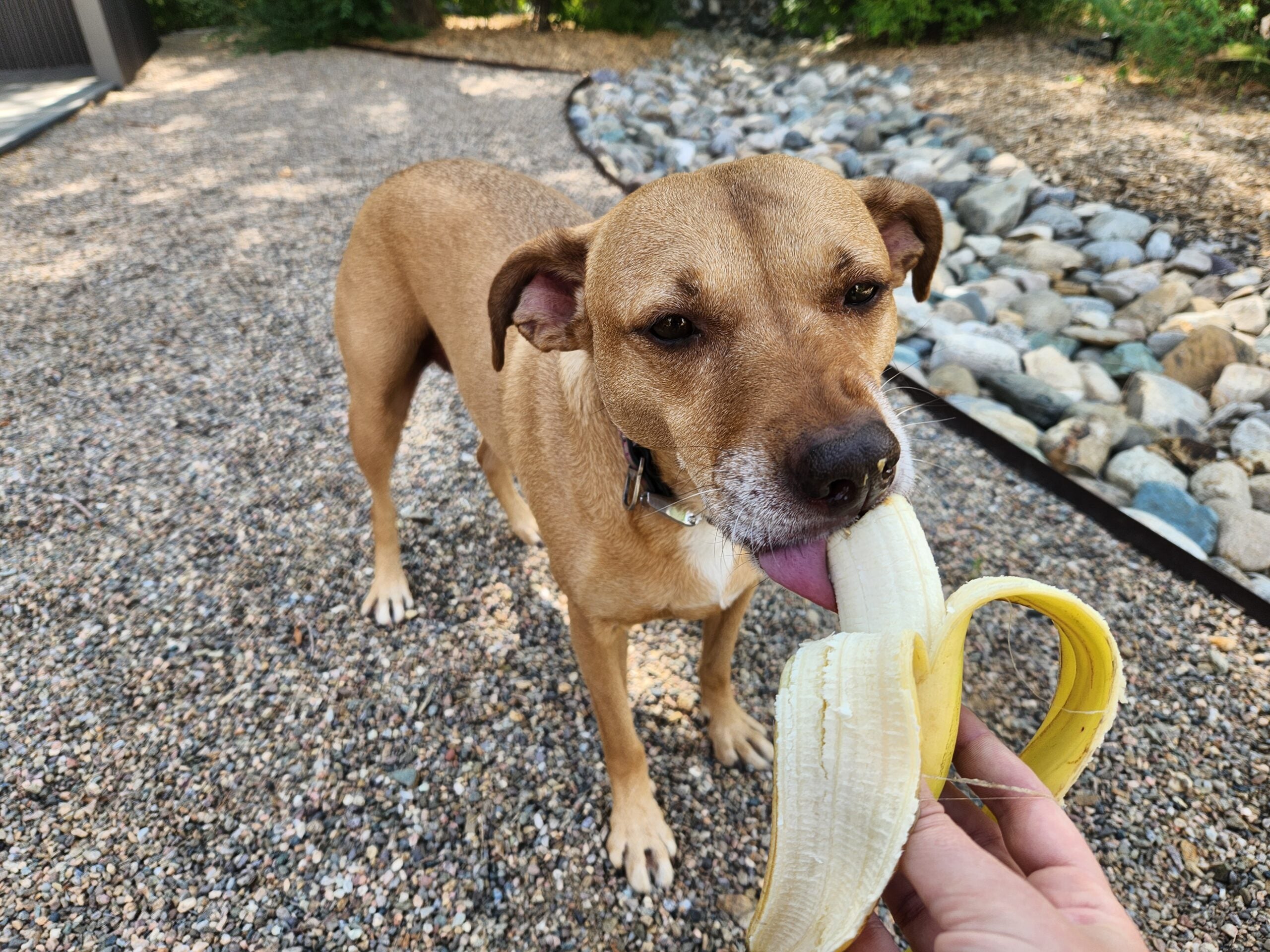
Yes, dogs can eat bananas, and many enjoy the taste, says Dr. Berst. Bananas are high in sugar, so limit this snack to a few bites, but go ahead and let your dog indulge in a little tropical sweetness from time to time.
One caveat: Be sure that any fruit you share with your dog is just the raw fruit itself. Dried fruit, like the kind sold in many snack mixes, is too high in sugar. Stick with fresh fruit and in moderation. Trust us, you don’t want your dog getting diarrhea on a long hike.
Here are some other dog-safe fruits and veggies that are good options if your pup likes the taste:
- Blueberries: Frozen or thawed
- Strawberries: Share these in moderation, as they have a lot of sugar
- Cucumbers: A crunchy, watery snack that some dogs absolutely love
- Snap Peas: Another crispy delight that has low caloric content
- Carrots: A classic pup favorite, especially cut into smaller pieces
When hiking with her dog, an indefatigable Chinese Crested dog named Dottie, Dr. Berst says, “I like snap peas and baby carrots as dog treats that they love, and that will not add a lot of calories. Apple pieces without seeds are also great dog treats.”
ADVERTISEMENT
Be Careful of These Human Foods
While some veggies and fruits are not outright harmful to dogs, they may contain sugars or other ingredients that should be limited. These include:
- Oranges: Most dogs dislike the taste, so don’t be surprised if your pooch politely declines. But a small wedge now and then is fine if your dog wants to opt for it.
- Pineapple: Like oranges, these are often too sweet to be yummy for pups. Do not feed your dog canned or dried pineapples due to the sugar content.
- Tomatoes: The red part of tomatoes is fine for dogs, but be extra careful not to let your pup eat any of the green parts of the tomato plant. These stems and leaves can cause stomach issues.
- Avocado: Small amounts are ok, but avoid the pits at all costs. Also, be aware that avocados can be toxic to some birds and horses, so be certain you don’t leave any uneaten bits lying around.
The Absolute No-Nos: Foods to Avoid Giving Dogs
Some human foods can be catastrophically toxic to dogs. Others can be too hard to digest. Avoid giving these food items to your dogs, no exceptions.
- Grapes/raisins: Dr. Berst is firm on these fruits. “There are still things that we do not know about grape toxicity in dogs, but one thing we do know is to avoid grapes and raisins both,” she says. “If your dog eats even one grape or raisin, you should call your veterinarian.”
- Chocolate: Chocolate contains a chemical called theobromine that is toxic to dogs and can result in serious illness.
- Alcohol: For obvious reasons
- Fruit pits: Including apple seeds
- Corn cobs: While not toxic, they present a dangerous choking hazard and cannot be digested.
- Caffeine: Including energy gels. Caffeine is toxic to dogs, so be sure to avoid any food that may contain it.
- Macadamia nuts: Nuts, in general, are bad for dogs. They are a food category that is best avoided. Besides being toxic to differing degrees, nuts present a choking hazard.
- Walnuts
- Onions
- Garlic
- Peanut Butter (and other foods): Anything containing the chemical compound xylitol.
A Special Warning: Xylitol, Found in Some Peanut Butter and Sugar-Free Ice Cream, Is Toxic to Dogs
Peanut butter is usually among dogs’ favorite snacks. Normally-processed or natural peanut butter is fine for dogs, but be extra careful if you use peanut butter that uses xylitol as a sweetener. Most major grocery store brands do not use xylitol, but always triple-check the ingredients. Xylitol brands are usually sold in health food stores.
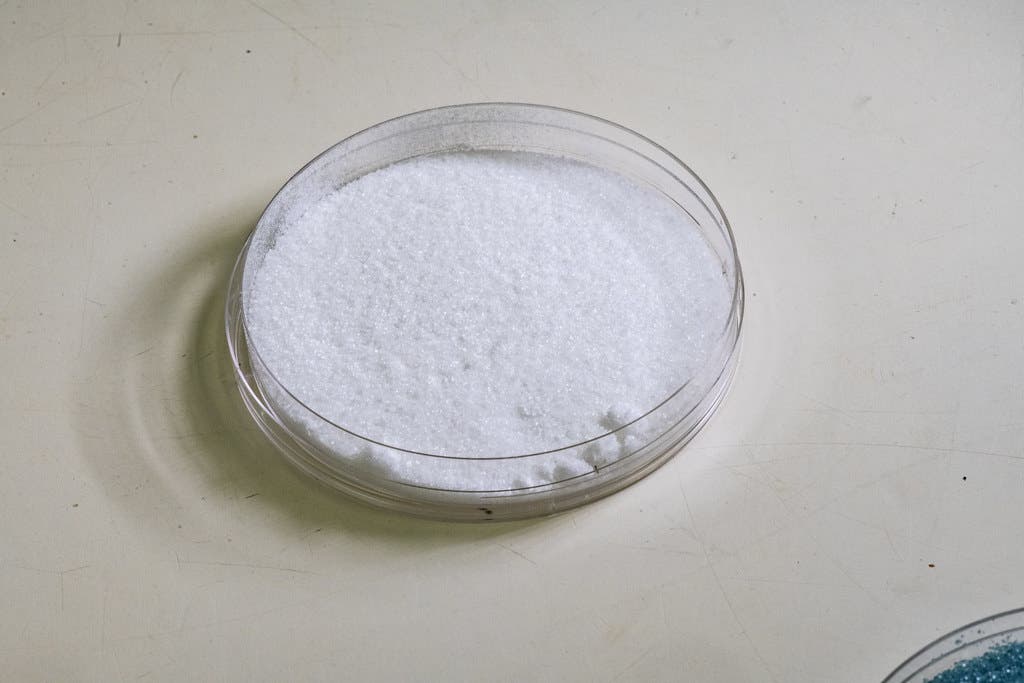
Xylitol is a type of sugar alcohol found in many human foods, though most notably in chewing gum, mints, and candy. It’s also found in some baked goods and “skinny” versions of low-calorie, sugar-free ice cream. Bottom line: Never feed your dog anything containing xylitol.
ADVERTISEMENT
Further Resources
Zoetis Petcare: Dangerous Food for Dogs
Outside’s Recommended Dog First Aid Kit
ASPCA: Animal Poison Control (for food, plants, and more)
ASPCA Animal Poison Control Center Phone Number: (888) 426-4435
Pet Poison Helpline 24/7 Animal Poison Control Center (855) 764-7661*
*$85 incident fee applies
