Updated December 18, 2025 09:58AM
If you buy through our links, we may earn an affiliate commission. This supports our mission to get more people active and outside.Learn about Outside Online's affiliate link policy
Best Men's Long-Sleeve Running Shirts for Cold Weather (2026)
Run outside comfortably all winter in these top-performing long-sleeved running tops.

(Photo: 101 Degrees West)
Table of Contents
It wasn’t long ago that long-sleeve running baselayers tended to resemble the cheap superhero outfits made for kids. They often fit much too tight, their shiny fabrics felt like plastic, and you couldn’t wait to peel them off after a run, even if they kept you warm. Today, the best men’s long-sleeve running shirts have improved considerably. The winter running tops in this review look and feel good; many of them incorporate soft, wicking natural fibers, and the fully synthetic blends offer impressive breathability and comfort.
We tested men’s running tops in conditions ranging from windy winter afternoons on the plains to frigid pre-dawn mountain mornings. We’re confident that all of our picks will serve you well this winter.
Best Men’s Long-Sleeve Running Shirts: At a Glance
- Best Men’s Long-Sleeve Running Shirt All-Around: Tracksmith Harrier Long Sleeve ($110)
- Best Value: Janji Waffleloft Long Sleeve ($88)
- Best for Cold and Dry Conditions: Rab Ascender Light Pull-On ($120)
- Best for Cold and Humid Conditions: Icebreaker Merino 200 ZoneKnit ($160)
- Best for High-Output Efforts: Le Bent Ultralight Long-Sleeve Tee ($100)
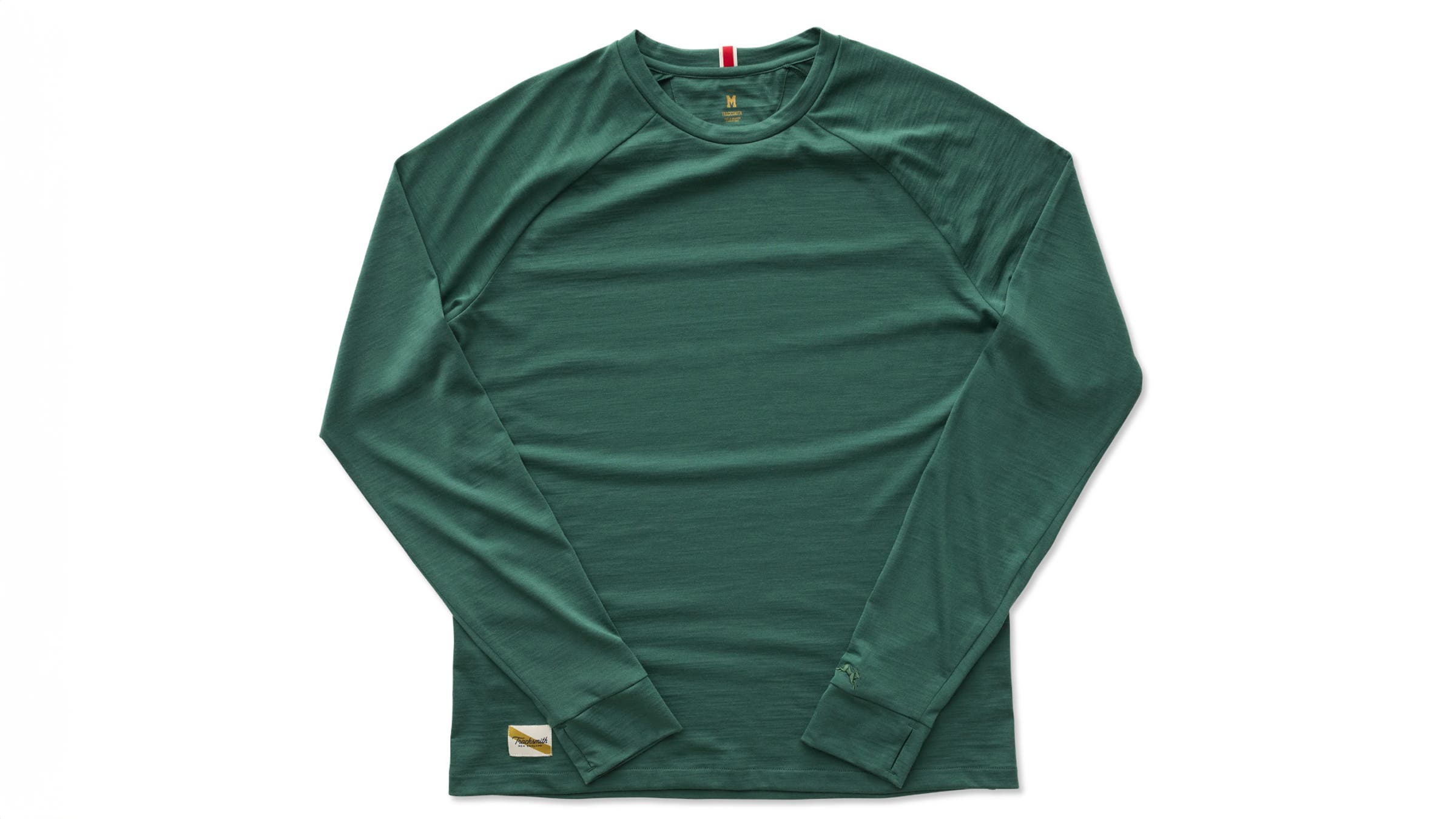
Best Men’s Long-Sleeve Running Shirt All-Around
Harrier Long Sleeve
Sizing: XS-XXL
Pros and Cons
+ Soft, odor-resistant fabric
+ Tailored fit
– No pockets or frills
The Harrier top is mostly (89 percent) soft merino wool, combined with just enough nylon to provide a welcome touch of stretch and add durability. Details like thumbholes on the sleeves are nice touches, but it’s the hearty, stink-proof wool that sets this long-sleeve running shirt apart. The weave is thick and tight enough that our testers stayed comfortable in misty rain or light snow, even without a shell. When temps dropped below freezing, the top also performed well as a midlayer, with a cut that’s roomy enough to accommodate a thin shirt underneath while sufficiently close-fitting to wear with outerwear. We appreciated the wide range of colors and often wore the good-looking Tracksmith top casually after workouts and on rest days.
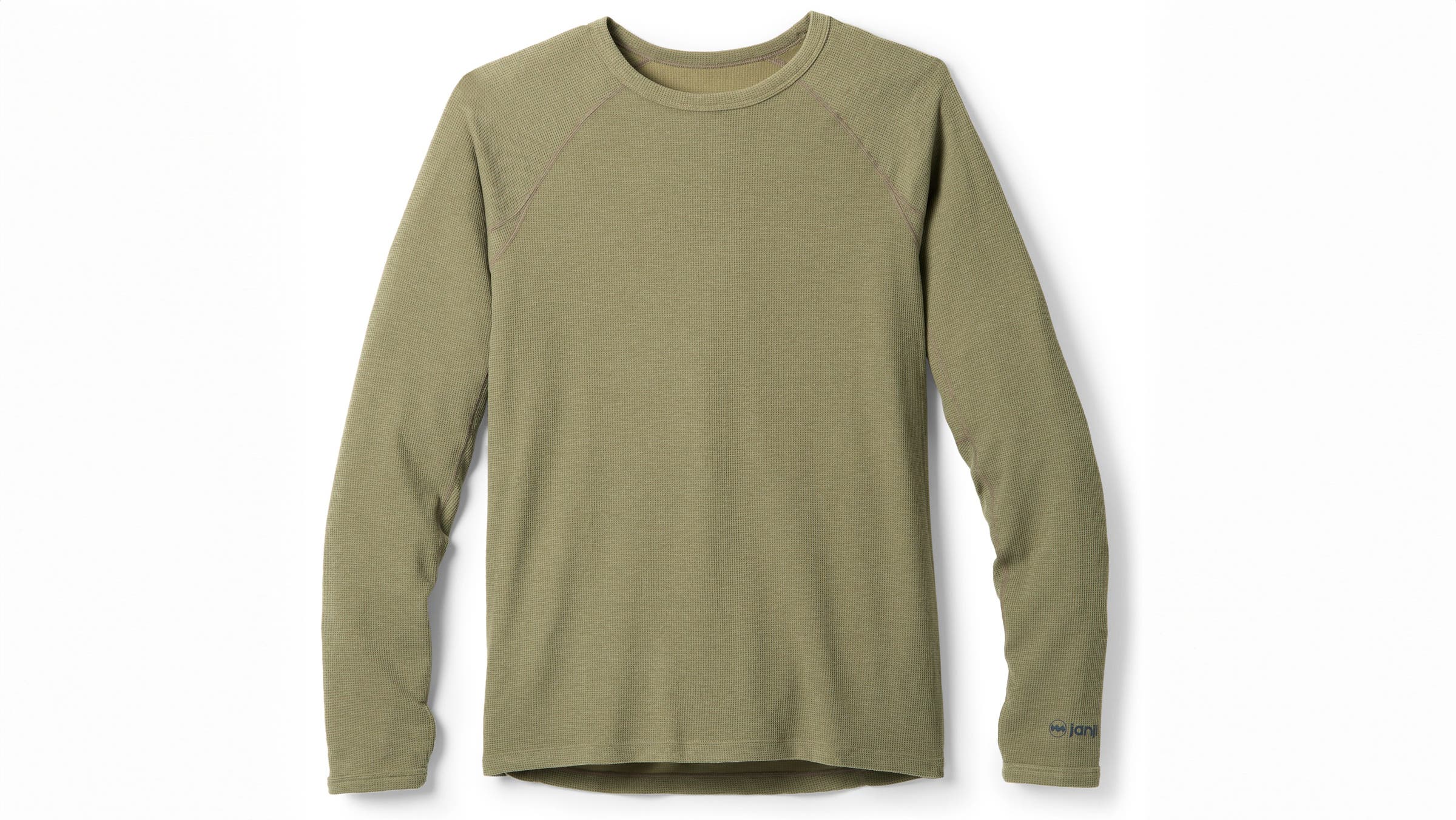
Best Value Long-Sleeve Running Shirt
Janji Waffleloft Long Sleeve
Sizing: S-XL
Pros and Cons
+ Versatile temperature range
+ Cozy waffle-knit fabric
– Lacks pockets and vents
With a relaxed but not overly baggy fit, the Janji Waffleloft impressed our testers, earning particularly high marks for soft-against-skin feel. The polyester blend breathed well when running in temperatures between 35 and 50 degrees, and it handled freezing weather when combined with additional layers. On the downside, the only way to control overheating was to pull the running shirt off and tie it around the waist, since the Waffleloft Long Sleeve lacks zippers or vents.
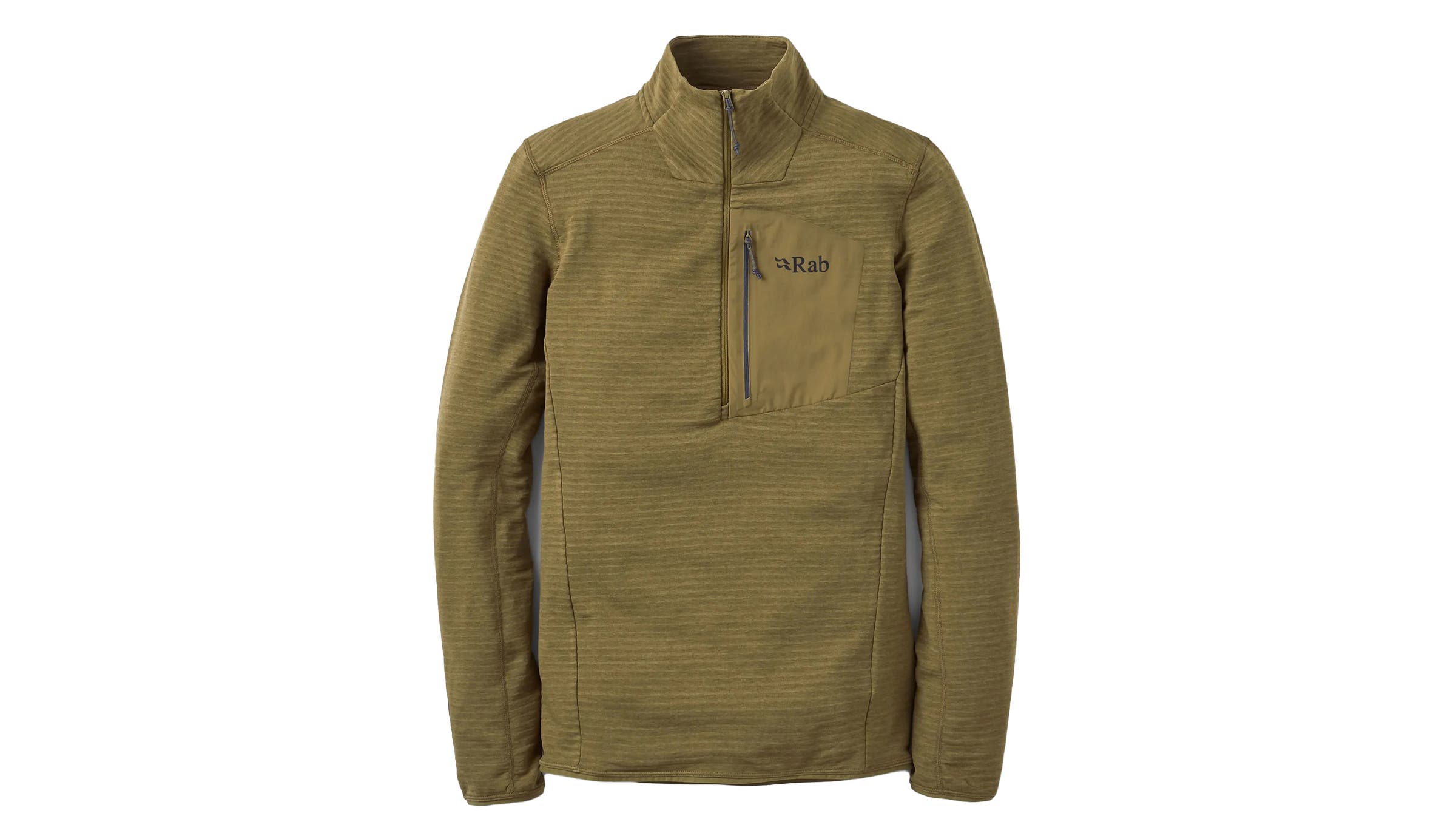
Best Running Shirt for Cold and Dry Conditions
Rab Ascender Light Pull-On
Sizing: S-XXL
Pros and Cons
+ Warm and slim-fitting
+ Slightly longer cut adds warmth
– Just one pocket
“I usually don’t wear fleece tops without a layer underneath, but this one was super comfortable on bare skin and kept me toasty warm, even in freezing weather,” said one tester. Made with 89 percent PFAS-free recycled materials, this synthetic running top is a good choice for sustainability-minded athletes. It offers three-season versatility, functioning like a lightweight jacket in spring and summer, or a solid insulation piece in the winter when worn under a shell, with or without additional layers. A deep zipper quickly vents excess heat, and a roomy chest pocket fits a full-sized phone with space to spare.
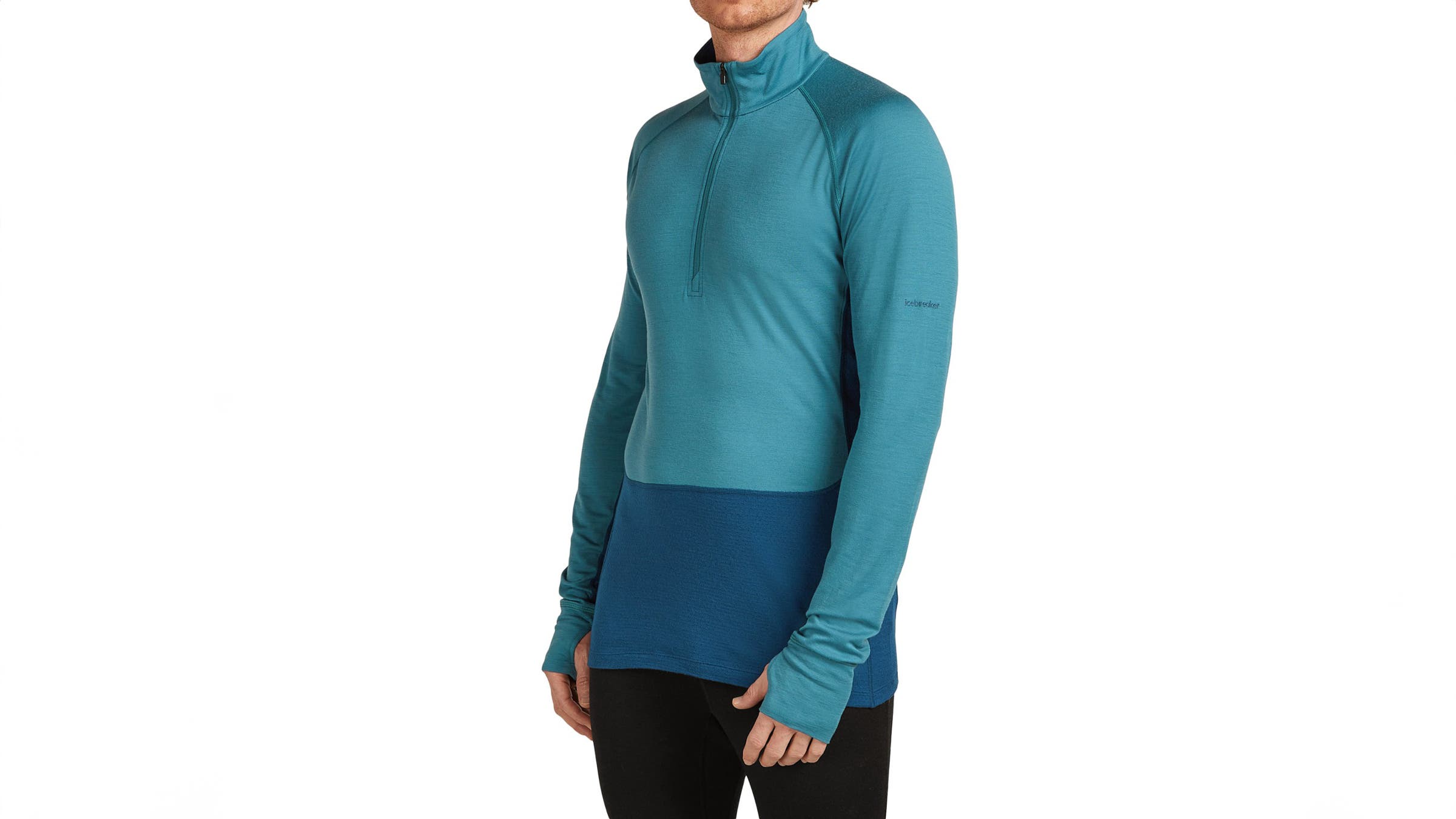
Best Running Top for Cold and Humid Conditions
Icebreaker Merino 260 ZoneKnit Top
Sizing: S-XXL
Pros and Cons
+ Body-mapped fabric knit wicks away moisture
+ Close fit works well for layering
– Doesn’t block wind
– Inadequate below freezing
This lightweight wool-and-synthetic running shirt features three distinct patterns—mesh, rib, and pique—deployed in different body zones to enhance venting or insulation as required. Wicking is exceptional: During an hour-long winter run, the moisture dispersion was noticeable. We could actually see sweat that had been pulled to the exterior of the shirt’s mesh-knit areas. The close fit and relatively thin fabric made this a superb baselayer, but this long-sleeve running shirt wasn’t adequate on its own in temperatures below freezing.
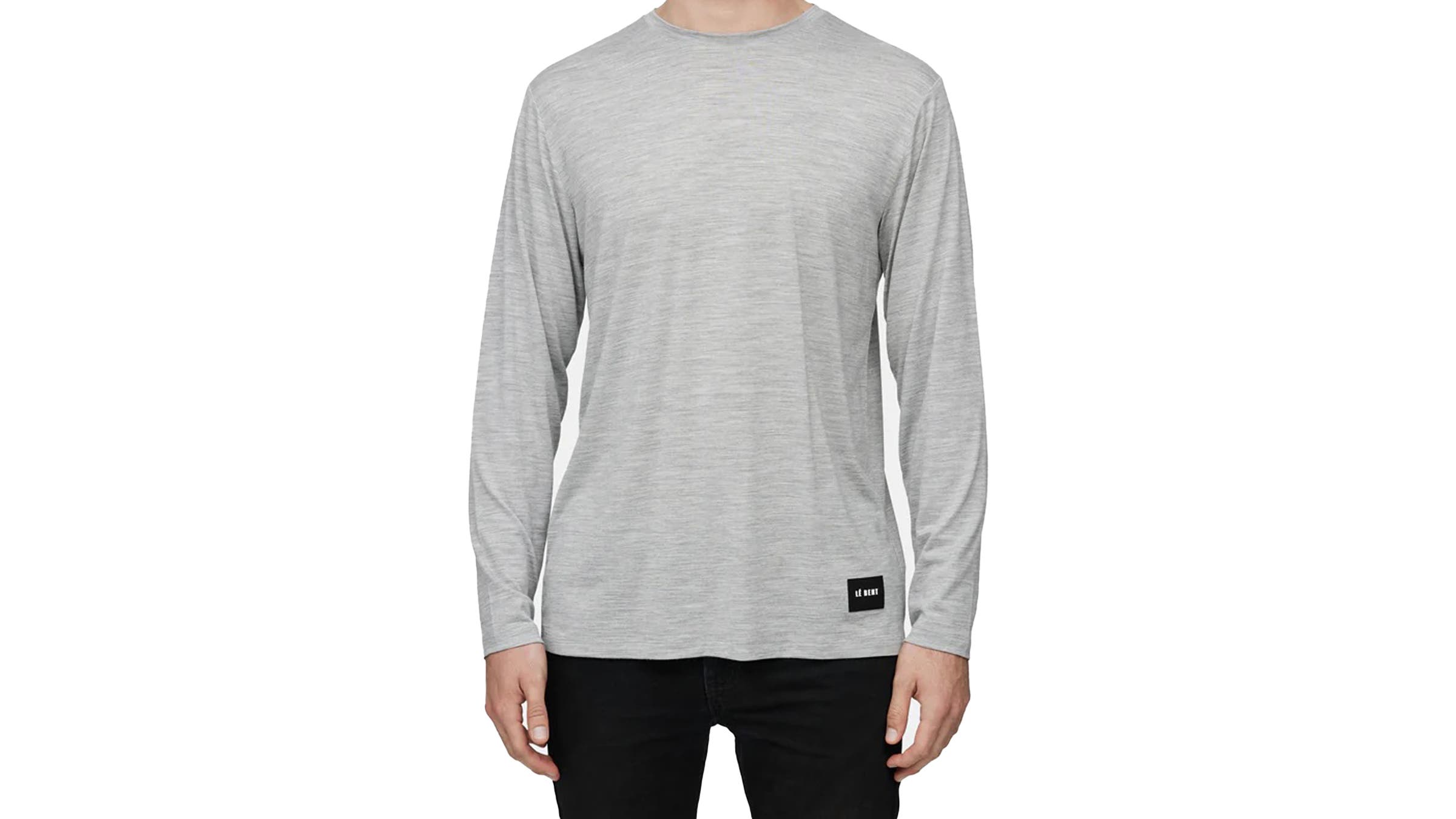
Best for High-Output Efforts
Le Bent Ultralight Longsleeve Tee
Sizing: S-L
Pros and Cons
+ Lightweight and breathable
+ Comfortably loose cut
– Somewhat floppy when running
The lightweight blend of merino wool felt smooth and soft. When worn over a technical T-shirt, the Ultralight Longsleeve Tee provided effective insulation for running in temperatures from slightly above freezing up to the high 40s and low 50s. It’s also a solid choice for wearing alone in even warmer temps, with a SPF rating of 20 and enough breathability to push the pace without fear of overheating. It’s cut long and loose, making it a favorite for warming up on mild days or hitting the gym for strength or flexibility work. Plus, testers found the relaxed fit and clean design made this long-sleeve running top fit in just about everywhere when worn casually.
How to Choose Men’s Long-Sleeve Running Shirts
Most runners have a go-to top for winter running. Sadly, all good things come to an end. If your favorite piece has become too threadbare, pilled, or stinky (it happens to the best of us) to endure for another season, take stock of its best qualities before ditching it. Was it silky soft? Remarkably warm? Exceptionally breathable? Look for similar qualities in reviews. While a new long-sleeve running shirt, no matter how highly rated it might be, is unlikely to feel exactly like your old standby, you should be able to find one that matches or improves upon its performance. Be open to new fabrics and styles.
ADVERTISEMENT
Also, consider your tendencies when it comes to heat regulation. Some runners hate pausing in the middle of workouts to add or remove a layer, so tops with deep zippers, arm vents, or other mechanisms for reducing heat on the fly are valued features on a men’s long-sleeved running shirt. If you don’t mind stopping to tie a shirt around your waist, however, a couple of lightweight or midweight tops might work better in combination than a single heavyweight top.
How We Test
Mark Eller led the test crew for this review. Based in Boulder, Colorado, he pursues running, cross-country skiing, snowshoeing, and other outdoor activities that keep him away from treadmills when the snow flies. He coordinated getting dozens of winter running items to additional testers in New England, the high plains, and the Rocky Mountains who wore the gear in this review in a variety of cold conditions for many months before making their picks and writing their comments.
Meet Our Testers
Lead reviewer Mark Eller trains through the winter on the roads and trails near his hometown of Boulder, Colorado. He’s a three-time Boston Marathon veteran, a hack Nordic skier, and a competitive racer in on-water rowing events.
Brian Metzler is a freelance writer and the founding editor of Trail Runner. A former walk-on Division I track athlete, he mostly runs on mountainous trails nowadays in Boulder and Leadville, Colorado.
Kurt Actenhagen enjoys trail running, mountain biking, and exploring mountain ranges from the High Sierra to Colorado’s most remote peaks. He’s set Fastest Known Times and achieved ultra-distance milestones, but he also enjoys a leisurely hike.
Jonathan Beverly is no stranger to winter weather. He began running in high school on the Maine coast, trained for marathons for years in New York, and now can be found chasing windmills in the western Nebraska Sandhills, accompanied by his two dogs. He is the senior running gear editor for Outside.
