Published November 12, 2025 01:34PM
If you buy through our links, we may earn an affiliate commission. This supports our mission to get more people active and outside.Learn about Outside Online's affiliate link policy
The 5 Best Do-It-All Running Shoes for Every Pace, Distance, Workout, and Terrain
These versatile trainers can handle everything from speed work to recovery jogs, on road, track, and trail
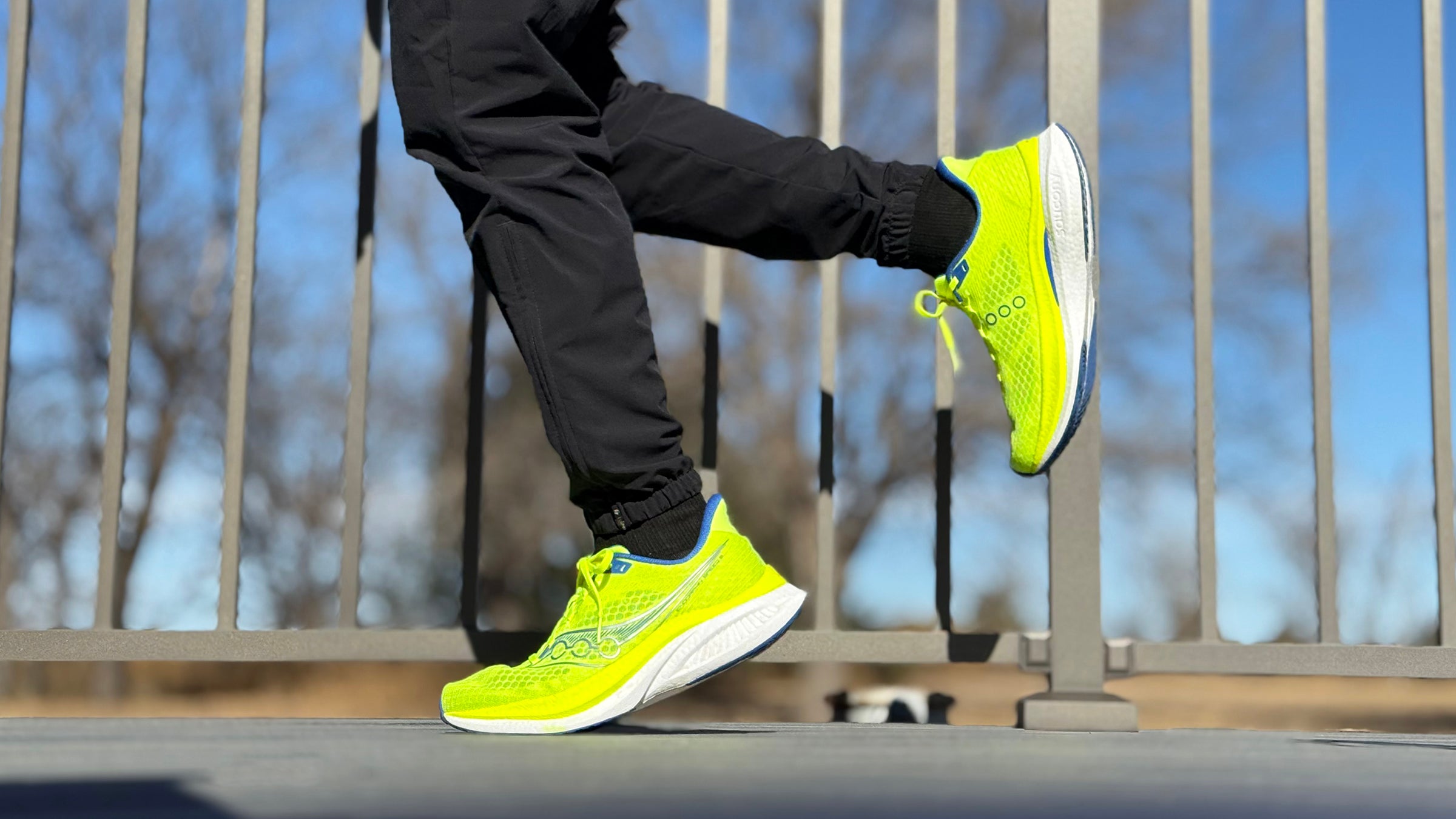
These do-it-all running shoes are what you want when you head out not knowing what the day's workout will be. (Photo: 101 Degrees West)
Best Do-It-All Running Shoes: At a Glance
• Best Overall: Saucony Endorphin Speed 5 ($175)
• Best Trainer/Racer: Adidas SL Evo ($150)
• Best Max Cushion: Asics Superblast 2 ($200)
• Most Durable: Mount to Coast R1 ($160)
• Best Bargain: Puma Velocity Nitro 4 ($140)
We like to say that running shoes are specialized tools. The best running shoes for racing a 5K probably aren’t also great for exploring trails or doing an easy long run on the roads. “The right tool for the job” has certainly been my shoe-selection method for the 130,000 miles I’ve run over the last 45-plus years.
ADVERTISEMENT
However, even those of us who own a variety of models value a shoe that feels good on several surfaces and at different paces. After all, most of us don’t regularly drive to parks to run, or have trails out our back door. Similarly, as access to tracks gets increasingly scarce, we appreciate a shoe that’s both responsive and protective enough to wear for hard workouts on roads or bike paths, and the warm-ups and cooldowns that sandwich those workouts.
There’s something to be said for do-it-all running shoes—ones that work well at nearly all paces and on nearly all surfaces. Maybe you can’t afford to buy three pairs of shoes at once. Maybe you’re a minimalist who wants to keep your gear shed simple. Or maybe you’re about to go on vacation and don’t want to pack four pairs of running shoes.
How I Tested and Selected the Best Do-It-All Shoes
Over the past year, I tested 20 shoes with potential as standout do-it-all models. These shoes aren’t marketed as one-stop-shopping, crossover models; their versatility is a bonus. Most are what five years ago would have been called lightweight trainers and are now more commonly classified as “training companions” to a brand’s super shoe racers. I wound up gravitating toward this type of shoe because, probably like most runners, I’m less willing to compromise the quality of my hard workouts than, say, the degree of forgiving comfort on short recovery runs.
ADVERTISEMENT
For the 20 shoes I tested, I started with one or two workaday runs of around an hour long at a conversational pace. If I didn’t like them for these standard outings, I stopped testing them. I kept trying each shoe on different types of runs—recovery jogs, tempos or intervals, and long runs—and on every type of surface available to me: asphalt, dirt roads, New England forest trails full of roots and rocks, crushed gravel paths, packed snow, and outdoor tracks. If on any of those runs I felt like they weren’t working for the combo of pace and surface, I stopped testing them. Ten showed enough promise that I put in at least 100 miles in them; I eventually whittled that list to five. Here are my picks for the best do-it-all shoes you can buy now.
Overall Best Do-It-All Shoe
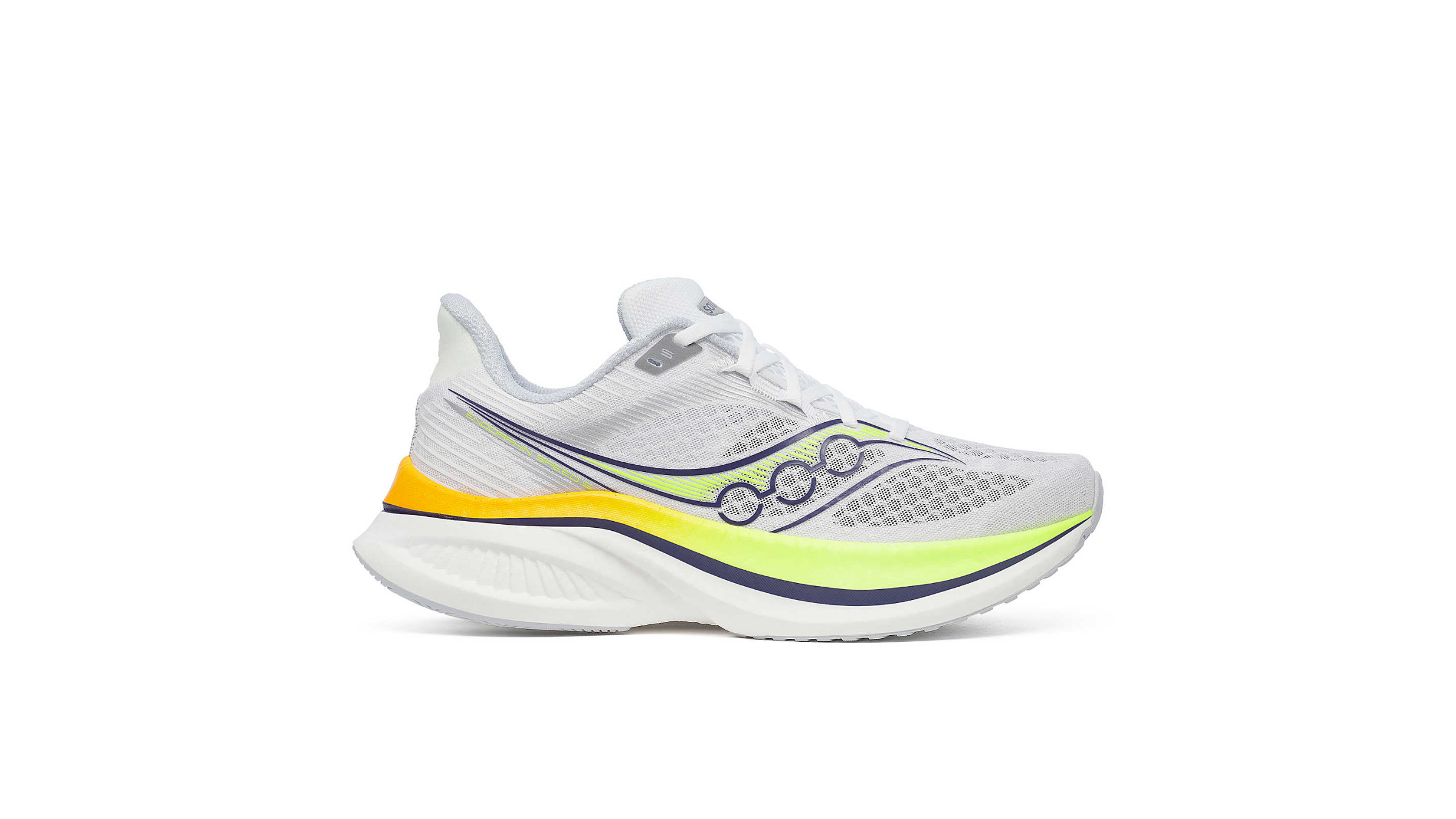
Saucony Endorphin Speed 5
Weight: 8.4 oz (men’s 9) | 7.2 oz (women’s 8)
Stack Heights: 36–28 mm
Heel-to-toe Drop: 8 mm
Pros and Cons:
+ Feels and performs great at all speeds
+ Guidance of a plate without rigidity
+ Improved outsole durability over previous versions
– A midsole plate (even a nylon one) might not be best for daily use
The Saucony Endorphin Speed 5 is the running shoe I recommended to a friend eager to get her first modern-midsole model to use on faster days and races, since it also works well for all other types of runs. I’ve put more than 300 miles on my pair and have yet to find a use where the Speed 5s don’t excel. They’ve become my primary long-run shoe, especially when I start the run with 90 minutes to two hours on trails and then finish with 30 to 40 minutes hard on roads. They were the only shoes I took on a five-day trip where my runs included steady hour-long outings on asphalt, a hilly 19-miler on gravel, a long tempo run on dirt, and short recovery jogs as the second run of the day.
What makes the shoe so special is that it hits a Goldilocks just-right mark on all key concerns. The midsole is cushy enough to feel forgiving, but responsive enough to handle faster paces. There’s enough structure to provide support, but the fit doesn’t feel constraining. The stack height is neither so high that you lose ground feel, nor so low that you wish there were more underneath. As for handling a variety of surfaces, the traction is surprisingly good wherever I take them. I wore them on a rainy, nearly four-hour trail run and never felt at risk of slipsliding away.
ADVERTISEMENT
Worth noting: The Endorphin Speed 5 has a nylon plate, which is the only reason that I’m not screaming from rooftops that everyone should wear this shoe every day. Nearly all sports medicine experts I’ve talked with on the topic advise against daily use of shoes with plates; over time, they say, your body’s natural running mechanics will deteriorate. The Endorphin Speed’s plate strikes a good compromise—it’s not as firm and controlling as a carbon-fiber plate, but you still get some of that stability and forward-motion encouragement. Still, seriously consider also having a non-plated shoe if you’re going to do most of your runs in this or any other plated model.
I also really liked previous versions of the Endorphin Speed, but was disappointed by how quickly the lateral heel outsole got chewed up. I wound up retiring versions 3 and 4 long before their midsole started to decline. Version 5 has solved this problem. That area where most of us strike has been reinforced with thicker and sturdier rubber, making version 5 a better bargain than its predecessors.
If You Want a Do-It-All Shoe You Can Race In

Adidas SL Evo
Weight: 8.1 oz (men’s 9) | 7.2 oz (women’s 8)
Stack Heights: 37–30.5 mm
Heel-to-toe Drop: 6.5 mm
Pros and Cons:
+ Premium midsole foam at an everyday price
+ Legit shorter-race choice for many middle-of-the-pack runners
– Relatively narrow midfoot can lead to instability
– Outsole traction sub-par on wet surfaces
The SL Evo is one of the most popular running shoes of 2025, and for good reason. It has elements of a super shoe, including a full slab of gas-infused TPEE midsole foam and a plastic “shank” that’s functionally similar to the Saucony Endorphin Speed 5’s nylon plate. Those details, plus its light weight and early forefoot rocker, make running fast in it easy and enjoyable. It could well work as a racer for people who don’t want to spend $275 for a race-day shoe and/or don’t like the unnatural feel of many super shoes. But the SL Evo also runs well at normal paces. All that for $150 is one of the best bargains on the market.
As a do-it-all shoe, however, the SL Evo has two major demerits. First, the combination of the relatively high stack height and narrow midfoot make the shoe a little too unstable for many runners. I’m one of them.
Second, the nearly flat outsole can make for iffy footing. I had occasional slipping sensations during two workouts on wet roads, which isn’t the sort of thing I want to worry about when trying to run fast. It’s also the worst of the five shoes in this roundup on trails. (The midfoot instability doesn’t help in that regard.)
ADVERTISEMENT
If You Want a Max-Cushion Do-It-All Shoe

Asics Superblast 2
Weight: 8.8 oz (men’s 9) | 8.0 oz (women’s 8)
Stack Heights: 46–38 mm
Heel-to-toe Drop: 8 mm
Pros and Cons:
+ Workhorse mileage model
+ Lots of cushioning without sacrificing responsiveness
– Some will want more ground feel
– Feels like a lot of shoe at 10K pace or faster
The Superblast is the tallest running shoe in my current rotation. I often have to remind myself of that fact, because the smooth ride feels like I’m closer to the ground. The shoe’s versatility is exemplified by Olympic marathoner Clayton Young wearing it on many of his long runs. Those runs tend to start at a stumble, progress to easy to steady pace, and often finish with three to five miles at marathon pace or faster. I’ve used the Superblast on similar runs (similar efforts, not paces!) and, most frequently, for standard get-in-the-miles workaday outings.
Like most of the running shoes in this review, the Superblast’s workout sweet spot is half marathon to marathon pace. It also does well with end-of-run short pickups or strides. For longer reps between mile and 10K pace, however, it can take a little extra effort to get over the large amount of midsole foam quickly.
The Superblast’s wide platform and non-squishy midsole provide plenty of stability on trails. The rubber outsole strips give adequate grip, while the high stack means that stepping on rocks and roots doesn’t hurt my feet.
A Superblast sibling, the Megablast, is also an excellent multi-pace shoe. But its softer A-TPU midsole makes it a little too unstable on trails. If you don’t run trails and can afford another $25, consider the lighter, bouncier Megablast instead of the Superblast.
ADVERTISEMENT
If You Want an Exceptionally Durable Do-It-All Shoe
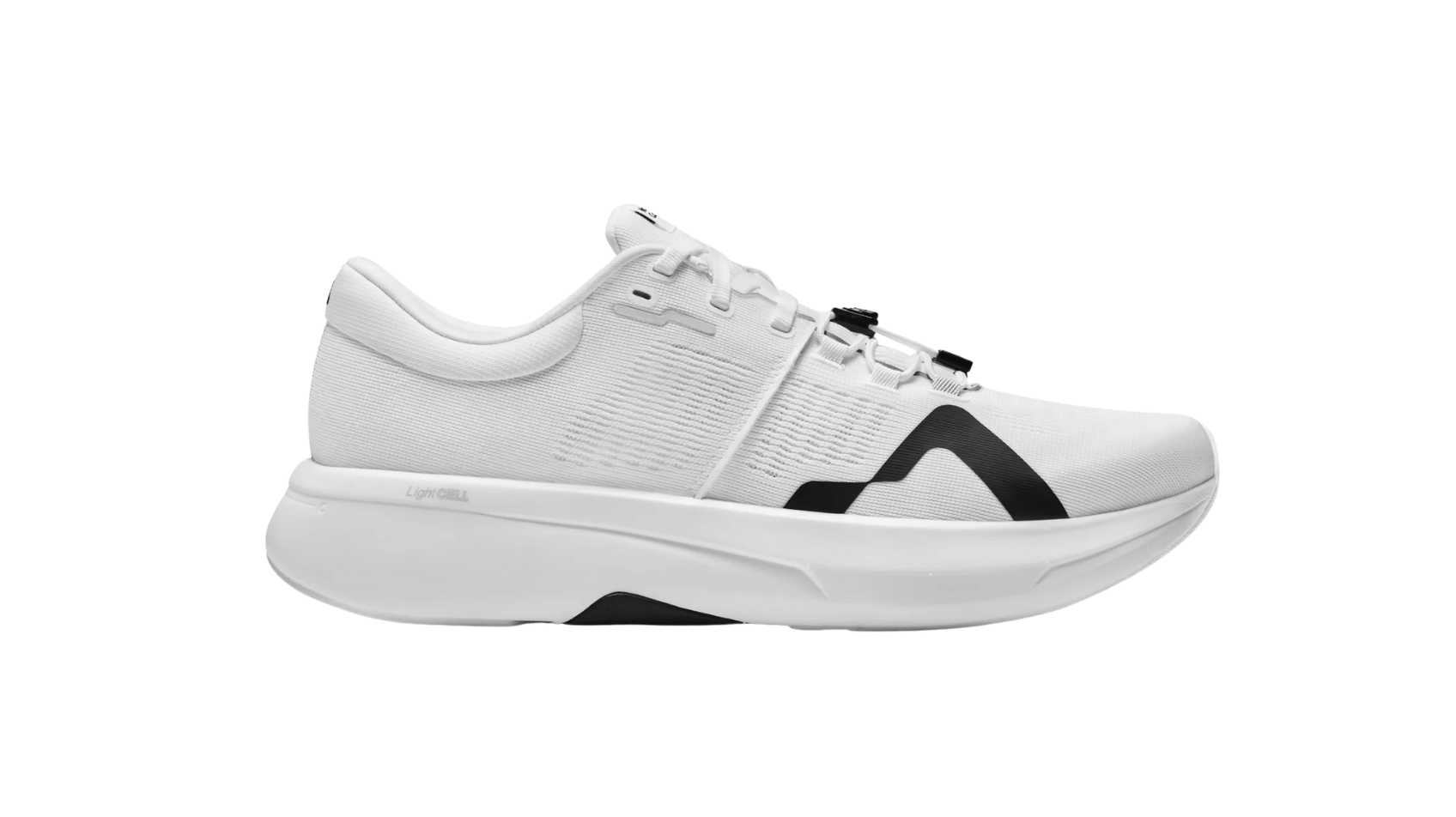
Mount to Coast R1
Weight: 8.5 oz. (men’s 9) | 7.5 (women’s 8)
Stack Heights: 35–27 mm
Heel-to-toe Drop: 8 mm
Pros and Cons:
+ Dependable comfort and performance
+ Best-in-class durability
– Some will want softer cushioning on recovery days
Mount to Coast launched last year as a brand for ultramarathoners. They’re selling themselves short by emphasizing that they’re made for going long. After all, to complete a 50-miler, you’ll run five miles, ten miles, and other shorter distances en route, and you’ll want your shoes to work well and feel good throughout, not just beyond 26.2 miles.
The R1 delivers that performance, regardless of distance, pace, or surface. The PEBA-blend midsole provides slightly firm, comfortable cushioning that remains dependable throughout any duration of run. (My longest run in them to date is 20 miles.) The forefoot area is wide enough to accommodate toe splay—and, via the adjustable dual lacing system, foot swelling—but not so voluminous that I felt like I was sliding around. The outsole is outstanding on wet and wintry asphalt, and has just enough grip to make trail detours enjoyable. The shoe is stable without being controlling. While the R1 is best on easy to moderate-pace runs, it handily accommodates one-minute repeats at mile race pace and tempo runs at half marathon pace.
The R1 reminds me of songs that don’t blow you away on first listen, but that you find yourself returning to again and again. Good thing, then, that it holds up to repeated use. I have more than 300 miles on mine. The only visible sign of wear is slight abrasion on the lateral heels where I land. The midsole and the ride feel the same as they did 30 miles in. Mount to Coast’s marketing highlights ultrarunners who have gotten more than 900 miles out of a pair of R1s. I would probably be nearing that usage in mine if I hadn’t been testing so many other shoes over the past year.
ADVERTISEMENT
If You Want a Bargain Do-It-All Shoe
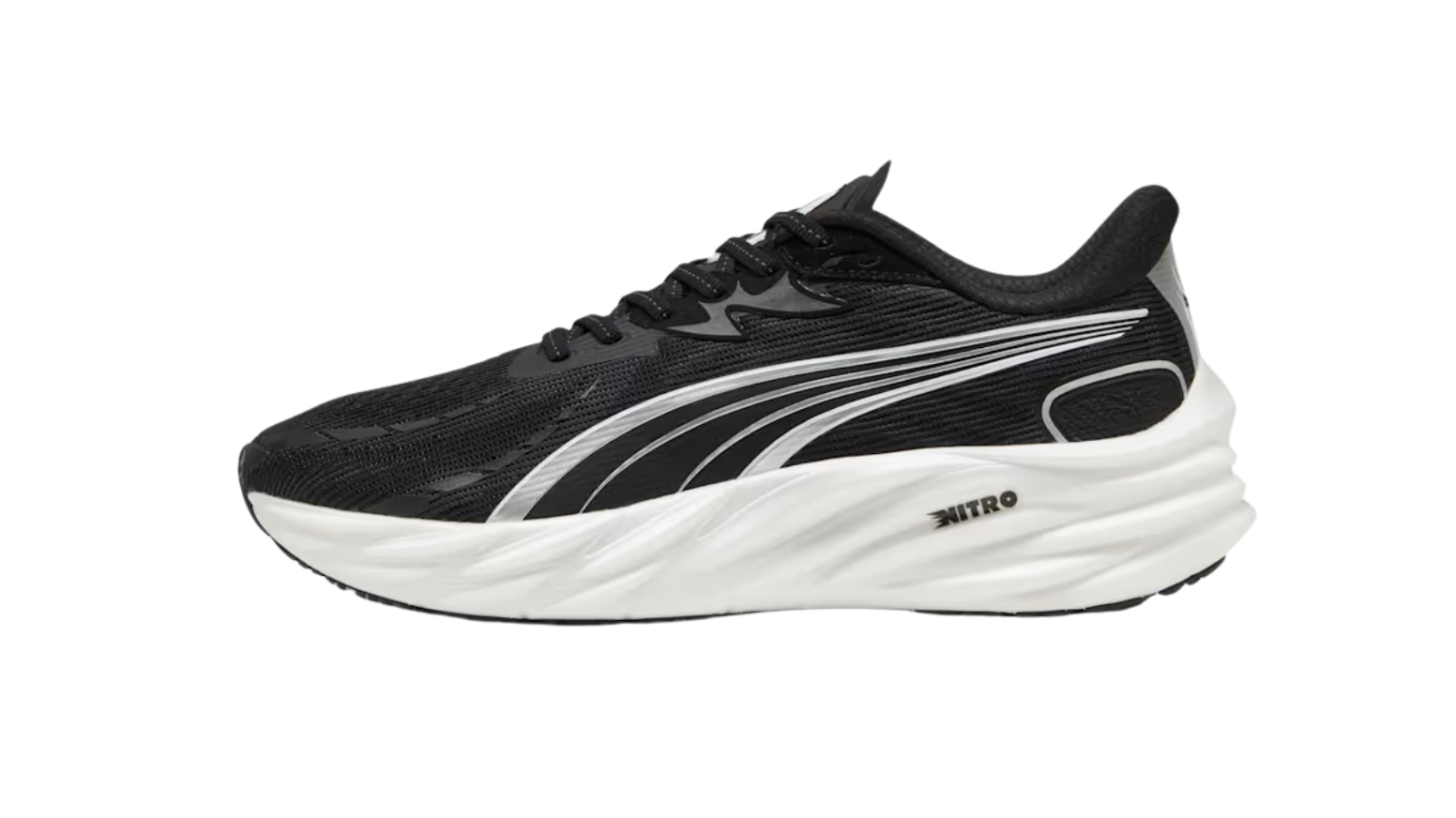
Puma Velocity Nitro 4
Weight: 8.0 oz (men’s 9) | 6.8 oz (women’s 8)
Stack Heights: 34–24 mm
Heel-to-toe Drop: 10 mm
Pros and Cons:
+ Durable, grippy outsole
+ Versatile supercritical midsole
+ Competitive price
– Slightly long, tapered fit can constrain toes while leaving excess material up front
– Soft foam might introduce instability for some
Version 2 of this shoe made the list in my previous round-up of the best do-it-all shoes nearly two years ago. Version 4 shows how quickly shoes have evolved since then. The supercritical nitrogen-infused midsole is akin to what was in top-flight Puma racers two years ago, and the shoe weighs almost an ounce less. The highly durable rubber outsole, with exceptional grip on all surfaces, is also better than it used to be. Version 4 of the Velocity Nitro costs only $10 more than version 2; at a time of rapidly increasing shoe prices, that’s an excellent bargain.
The 10-millimeter heel-to-drop feels lower because the midsole foam is so compliant, without feeling marshmallow soft. The ride is smooth and cushy at easy paces and becomes more responsive when you start pushing it. I appreciated the flexible, lower-than-average forefoot stack height on faster runs as a contrast to thick, rockered shoes. On trails, the excellent outsole provides enough traction to offset what could be wobbly landings in the soft foam. Overall, the Velocity Nitro 4 is easily as good as many other brands’ daily trainers in the $170 range.
ADVERTISEMENT
The shoe’s main drawback is its fit. I’m not alone in finding the upper a little too narrow, low-volume, tapered, and long. These qualities can cause a conundrum—you wouldn’t want to go half a size down from your norm, because then your toes might be constrained. This is a shoe that merits in-store try-on if possible; if not, order from somewhere with a good return policy.
