

Published

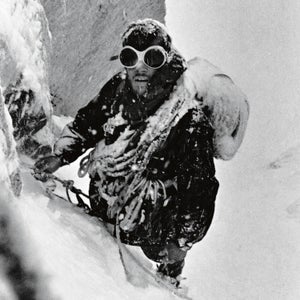
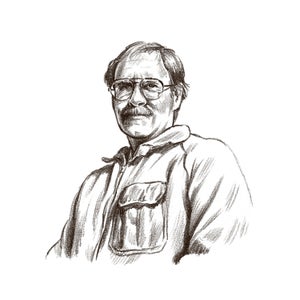
Royal Robbins: Climber, businessman, and archetype for the modern clean-climbing ethic, which espouses the use of removable protection instead of pounding pitons into rock.
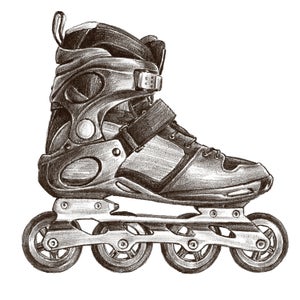
Rollerblade: A roller skate with soft, linearly arranged wheels offering fast, smooth glide.

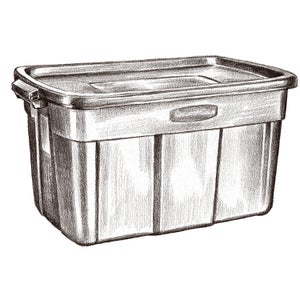

Chip timing: The practice of using a small wearable transmitter to track race participants’ times at regular checkpoints along a course.
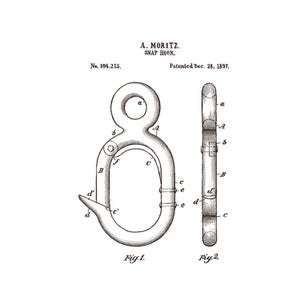
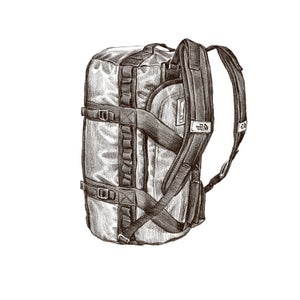
Base-Camp Duffel: A large, 155-liter bag often seen loaded on yaks in Nepal’s Khumbu region for a few simple reasons: it can take a beating, it has straps that convert it into a backpack, and mountaineers know that it can carry all their gear.
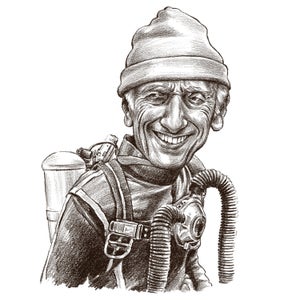
Jacques Cousteau: A French explorer and arguably the most prolific marine scientist and ocean conservationist of the 20th century.
Crowdfunding: A method of raising capital to launch commercial ventures in which small individual donations are made through an online platform.
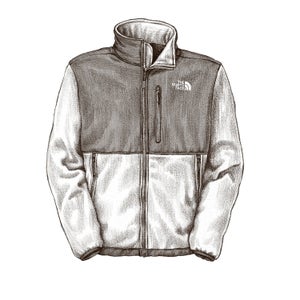
Denali Jacket: A popular performance fleece garment made by the North Face and commonly seen on mountaineers and college students.
Direct to Consumer: A business model in which a company sells its products via its own website, catalog, or store, reducing retail markup and passing the savings along to the consumer.
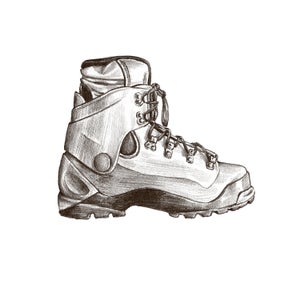
Double Plastic Mountaineering Boot: A highly reliable style of footwear that prevents frostbite in alpine environments.

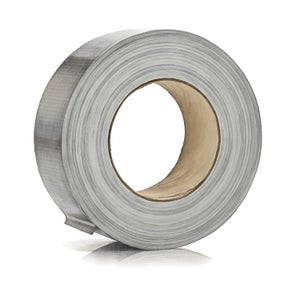
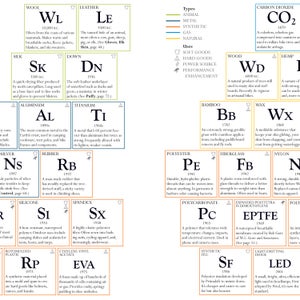
The raw materials that make up the tools for hiking, running, paddling, skiing, and cycling. These 36 building blocks are indispensable to the design and function of gear, from mankind’s first wool layer to the latest lab-born membranes. (Some things just look better in print. To see this in all…

Dropper Post: A mountain-bike component that can be raised or lowered with a button mounted on the handlebars.
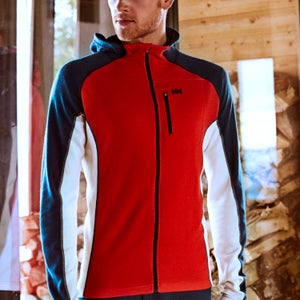
Lifa Shirt: The first commercially available base layer made from polypropylene, released in 1970 by Helly Hansen.
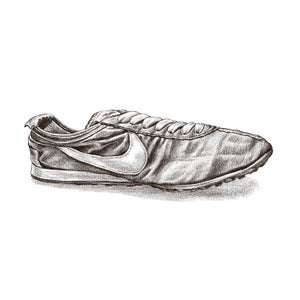
Bill Bowerman: A legendary Oregon track coach who cofounded the shoe company Blue Ribbon Sports in 1964; 14 years later, it became Nike.
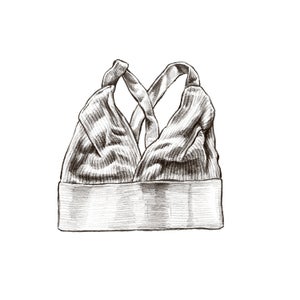
Sports Bra: A groundbreaking invention that lets women participate comfortably in a range of vigorous athletic activities.

Fourth American ever with first-place finish
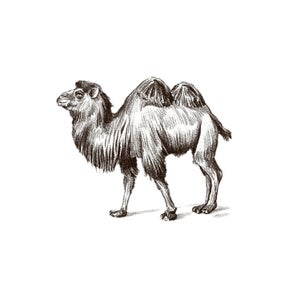
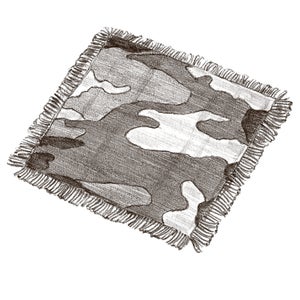
Camouflage: A varying pattern of earth-colored prints designed to obscure the wearer from view, worn by hunters and members of the U.S. military

Blake Mycoskie: A 38-year-old philanthropist and entrepreneur who founded Toms Shoes (originally Shoes for a Better Tomorrow) in 2006.
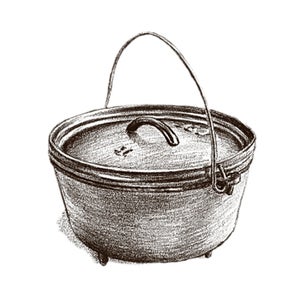
Dutch Oven: A large cast-iron pot and the campfire cooking vessel of choice for pioneers, cowboys, and river guides.
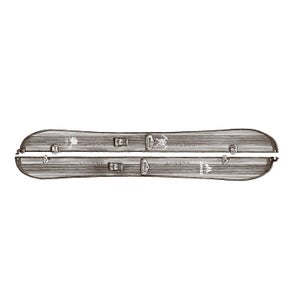
Jeremy Jones: A pioneering big-mountain snowboarder and snowboard designer.
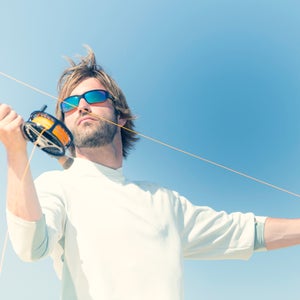
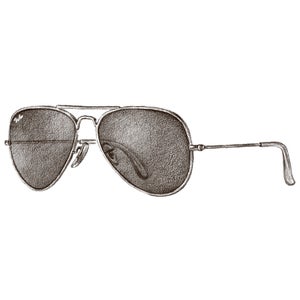
Polarization: A lens technology that cuts glare created when light reflects off materials like plastic and glass.
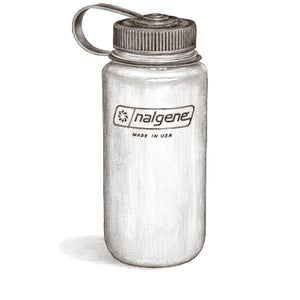
Nalgene bottle: A durable, wide-mouthed vessel originally designed to hold chemicals.
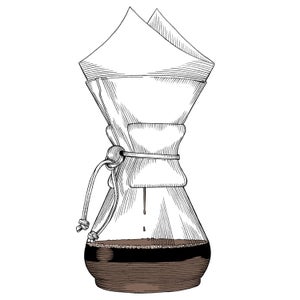
Pour-Over Coffee: A method of brewing coffee by passing near boiling water through grounds held in a paper filter.
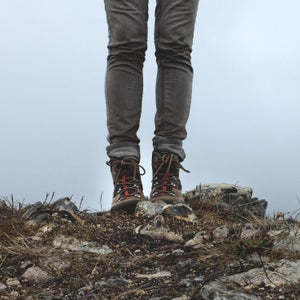
Lifetime Warranty: A company’s promise to repair or replace an item that breaks.

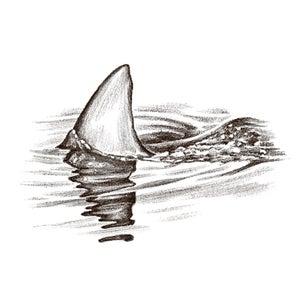
Surfboard Fin: A structural element, usually made of wood or fiberglass, attached to the bottom of a surfboard to aid maneuverability.
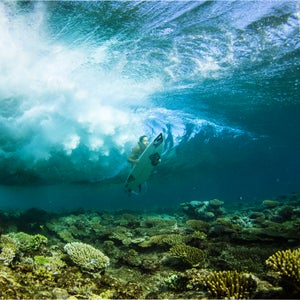
Wetsuit: An insulating garment that allows individuals to spend more time in cold water.

Mountain House: Maker of 33 varieties of tasty freeze-dried meals packaged in polyester, aluminum, and nylon pouches.

Two towns bonded over their Best Towns rivalry
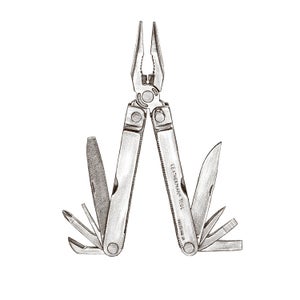
Leatherman: A multitool invented by Tim Leatherman after wishing he had a pair of pliers while working on a rust-bucket Fiat with a pocket knife during a 1975 European road trip.

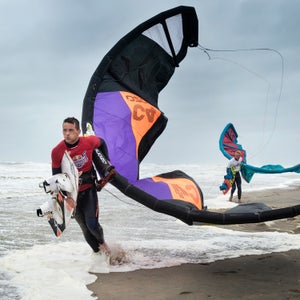
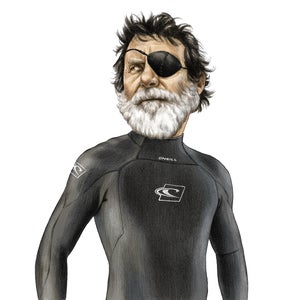
Jack O’Neill: A former commercial fisherman widely credited with inventing the neoprene wetsuit.
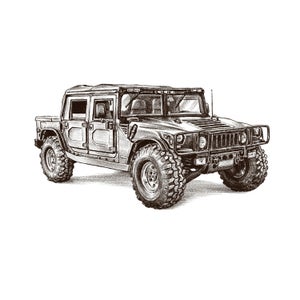
Hummer: The civilian version of the military’s Humvee off-road vehicle, which was produced by AM General from 1992 to 2006.
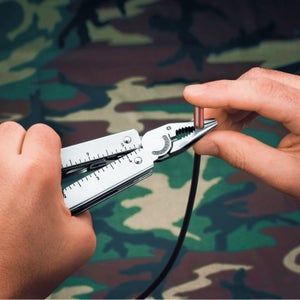
Swiss Army Knife: The world’s first consumer multitool, designed by cutler Karl Elsener with two blades, a screwdriver, and a can opener.
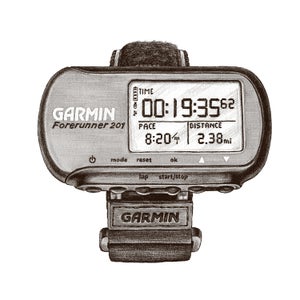
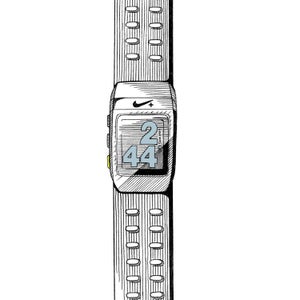
Garmin Forerunner 201: The world’s first all-in-one GPS-enabled running watch, released in 2003 by Kansas navigation company Garmin.
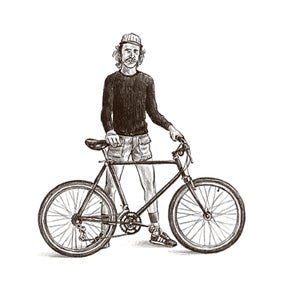

Founders of the Recreational Equipment Co-op (REI), which the couple started in their West Seattle home in 1938 as a way to help climber friends gain access to cheaper ice axes and harnesses by ordering bulk gear from Europe.

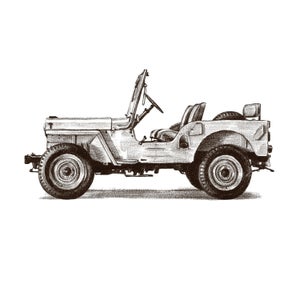
Jeep: A four-wheel-drive vehicle first produced for the U.S. Army during World War II.

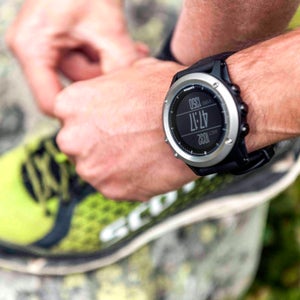
Heart-Rate Monitor: A device that measures a wearer’s heart rate; particularly useful for monitoring exertion in athletes.
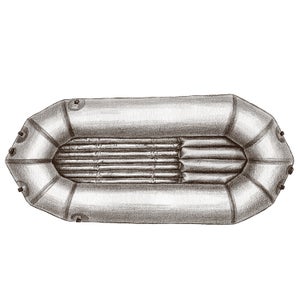
Pack Raft: A small inflatable raft that can be rolled up to fit in a backpack.
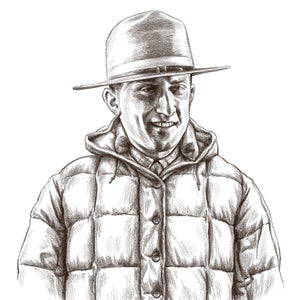
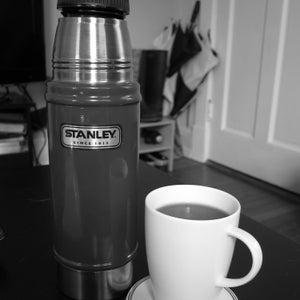
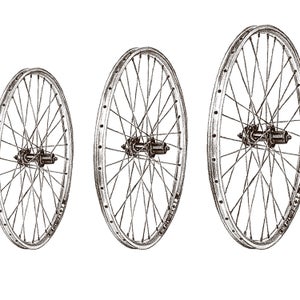
The Perfect Size Wheel: An elusive and controversial hoop that allows mountain bikers the ability to optimize progress over rocky terrain.
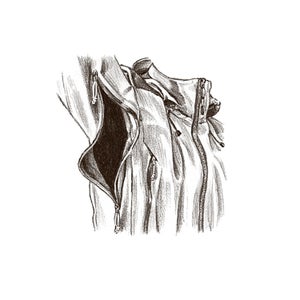
Little Things: Those items that mark the difference between a miserable experience and a joyous one—pit zips on jackets being a prime example.

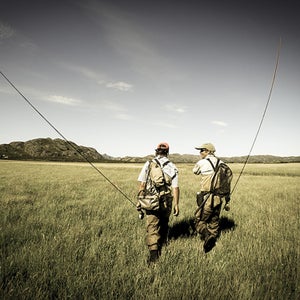
Fly rod: A skinny stick, usually 6 to 13 feet long, used in conjunction with a reel, a line, and hand-tied simulations of in-sects to catch fish.
A category of gear that came into being in the late 1960s as more and more skiers ventured beyond resort boundaries.
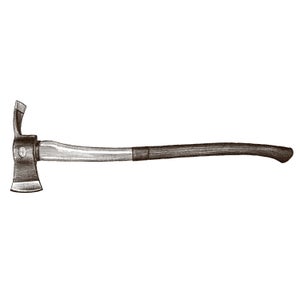
Pulaski: A wildland-firefighting tool that combines an ax and an adze and is used to clear brush and small trees.
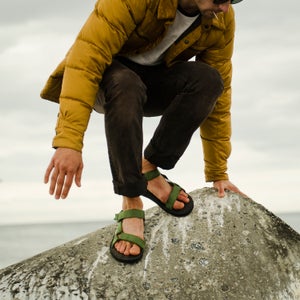
The surprising tendency for technical products and trends from the outdoor world to find their way into mass culture.
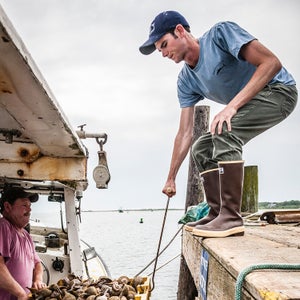
A sturdy, purpose-made fishing boot that has become the gold standard of footwear in the 49th state.
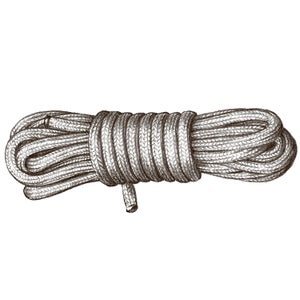
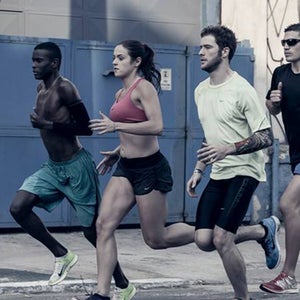

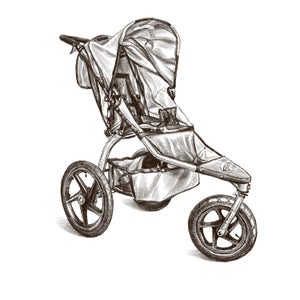
Jogging Stroller: A stroller that allows parents to run and, theoretically, get their toddlers to nap.