Gear
Archive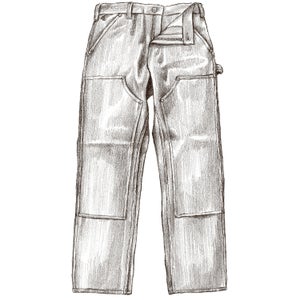
Tough-ass pants: A term for rugged work trousers that are particularly good at handling abuse.
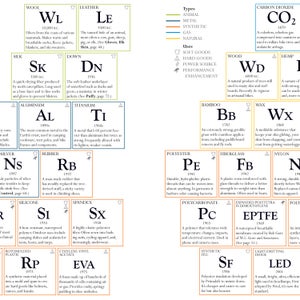
The raw materials that make up the tools for hiking, running, paddling, skiing, and cycling. These 36 building blocks are indispensable to the design and function of gear, from mankind’s first wool layer to the latest lab-born membranes. (Some things just look better in print. To see this in all…
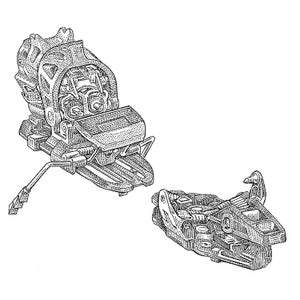
Tech binding: A lightweight binding system that transformed backcountry skiing and put telemarking on the path to obsolescence.

Founders of the Recreational Equipment Co-op (REI), which the couple started in their West Seattle home in 1938 as a way to help climber friends gain access to cheaper ice axes and harnesses by ordering bulk gear from Europe.
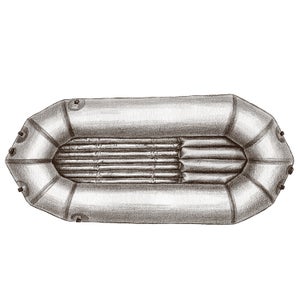
Pack Raft: A small inflatable raft that can be rolled up to fit in a backpack.

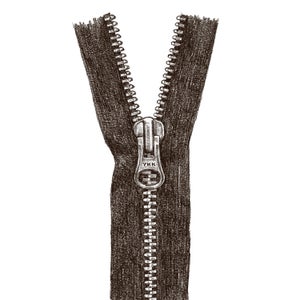
The brand of zipper that is likely keeping your britches up at this very moment. Headquartered in Tokyo, 81-year-old YKK (short for Yoshida Kogyo Kabushikikaisha, which translates as Yoshida Company Limited) was founded by Tadao Yoshida, who started making custom zippers to take advantage of breaks and…
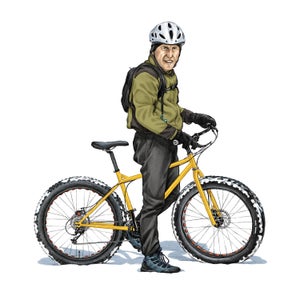
Blimp-tired bicycles were developed for one of the most grueling endurance races in the world. But then everyone else realized how much fun they were.
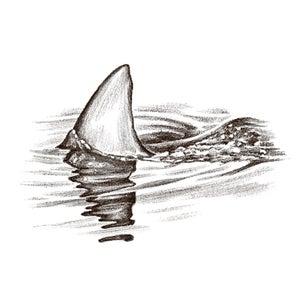
Surfboard Fin: A structural element, usually made of wood or fiberglass, attached to the bottom of a surfboard to aid maneuverability.
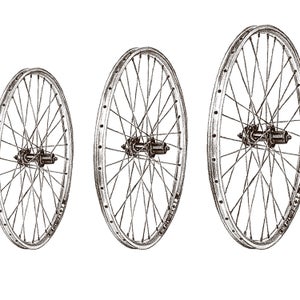
The Perfect Size Wheel: An elusive and controversial hoop that allows mountain bikers the ability to optimize progress over rocky terrain.
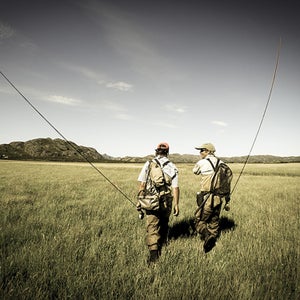
Fly rod: A skinny stick, usually 6 to 13 feet long, used in conjunction with a reel, a line, and hand-tied simulations of in-sects to catch fish.
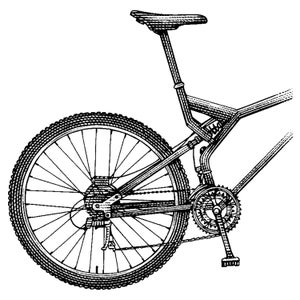
Telescoping front forks and articulating rear frame triangles that absorb bumps and shocks.
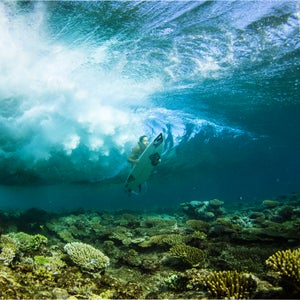
Wetsuit: An insulating garment that allows individuals to spend more time in cold water.
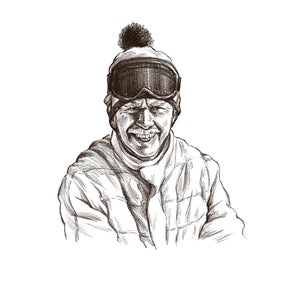
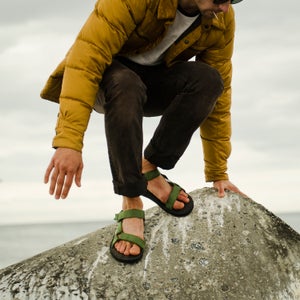
The surprising tendency for technical products and trends from the outdoor world to find their way into mass culture.
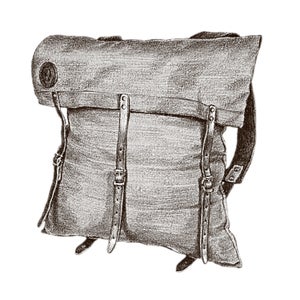
Duluth pack: A heavy canvas rucksack, patented in 1882 by French Canadian Camille Poirier in Duluth, Minnesota, along the shores of Lake Superior.
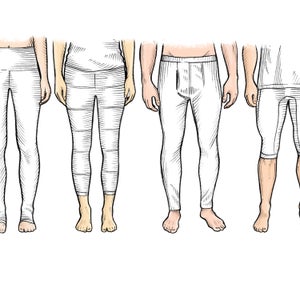
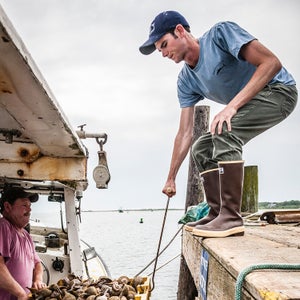
A sturdy, purpose-made fishing boot that has become the gold standard of footwear in the 49th state.
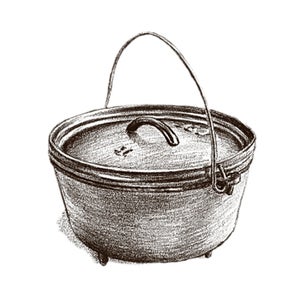
Dutch Oven: A large cast-iron pot and the campfire cooking vessel of choice for pioneers, cowboys, and river guides.
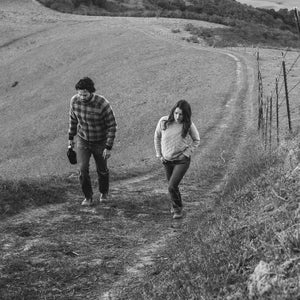
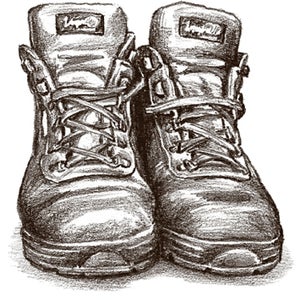
Vasque Sundowner: A svelte hiking boot that serves as a testament to how well-made products can endure despite evolving design trends.
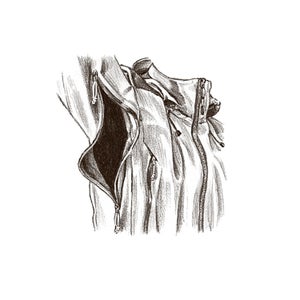
Little Things: Those items that mark the difference between a miserable experience and a joyous one—pit zips on jackets being a prime example.
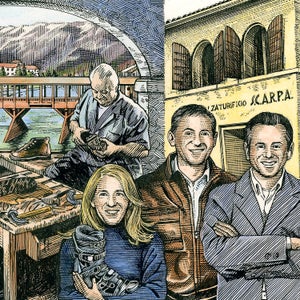
The world's leading design center for outdoor footwear—everything from featherweight climbing shoes to hard-shelled mountaineering stompers—is a small city in northern Italy where craftsmanship reigns.
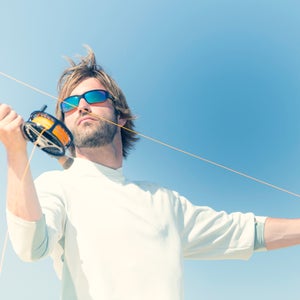
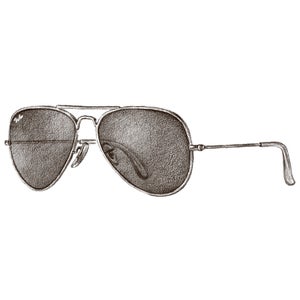
Polarization: A lens technology that cuts glare created when light reflects off materials like plastic and glass.

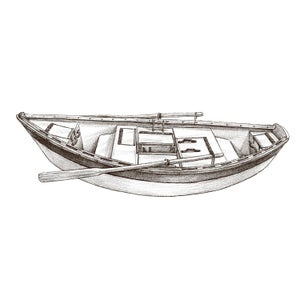
How a humble wooden fishing craft became the quintessential Grand Canyon ride
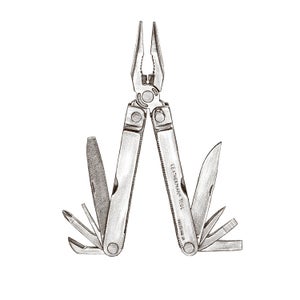
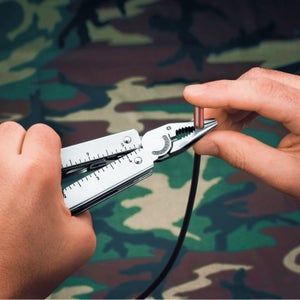
Leatherman: A multitool invented by Tim Leatherman after wishing he had a pair of pliers while working on a rust-bucket Fiat with a pocket knife during a 1975 European road trip.

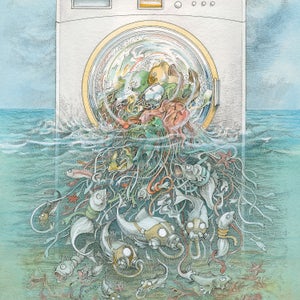
And how it's going to change the way you see all of your stuff
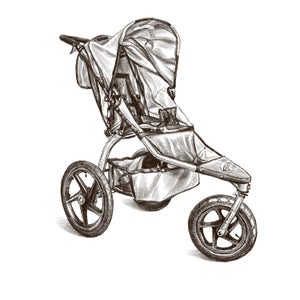
Jogging Stroller: A stroller that allows parents to run and, theoretically, get their toddlers to nap.

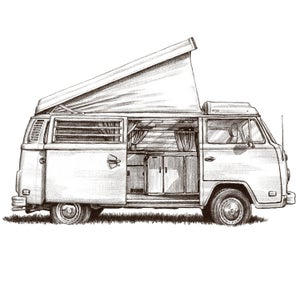
Westfalia: A breed of Volkswagen camper van prone to expensive repairs, yet beloved by those who own them and coveted by road-trip dreamers everywhere.
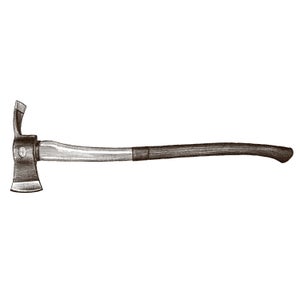
Pulaski: A wildland-firefighting tool that combines an ax and an adze and is used to clear brush and small trees.

Blake Mycoskie: A 38-year-old philanthropist and entrepreneur who founded Toms Shoes (originally Shoes for a Better Tomorrow) in 2006.
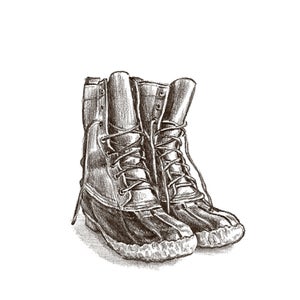
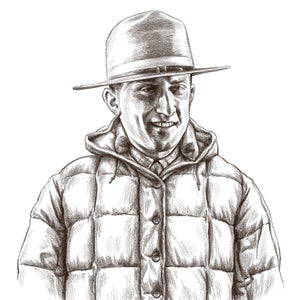
Lumbersexual: A fashion-conscious male urbanite whose clothing and accessories project an aura of rugged manliness.
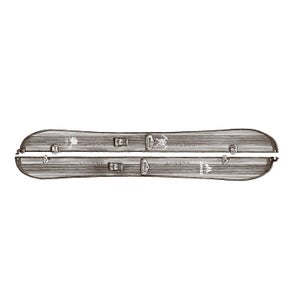
Jeremy Jones: A pioneering big-mountain snowboarder and snowboard designer.
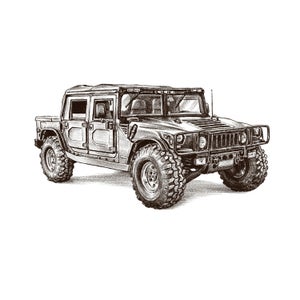
Hummer: The civilian version of the military’s Humvee off-road vehicle, which was produced by AM General from 1992 to 2006.
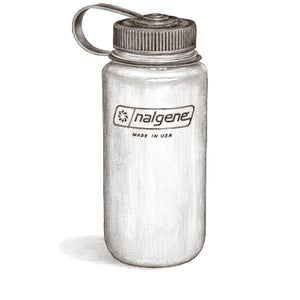
Nalgene bottle: A durable, wide-mouthed vessel originally designed to hold chemicals.

Doug Tompkins: Businessman and crusading conservationist who cofounded the North Face and Esprit.
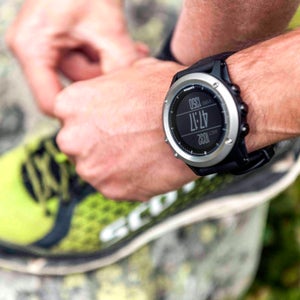
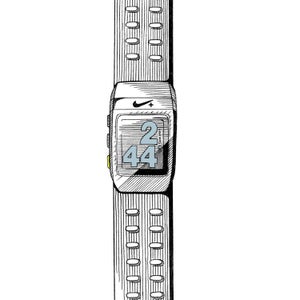
Heart-Rate Monitor: A device that measures a wearer’s heart rate; particularly useful for monitoring exertion in athletes.
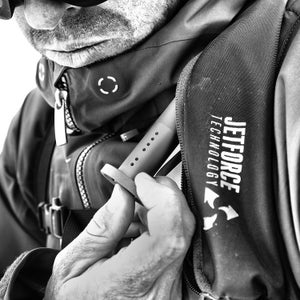
A category of gear that came into being in the late 1960s as more and more skiers ventured beyond resort boundaries.
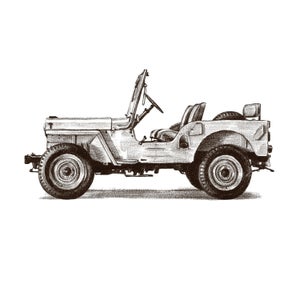
Jeep: A four-wheel-drive vehicle first produced for the U.S. Army during World War II.
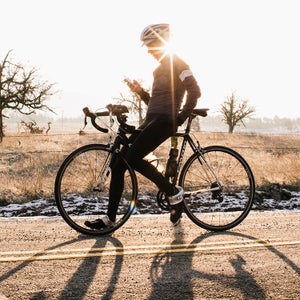
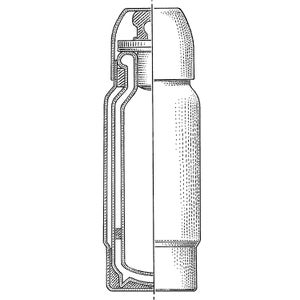
Double Vacuum: A technology dating back to 1892 that suspends one container inside another, leaving a small amount of air between the two to insulate the inner contents from external temperature changes.

Lifetime Warranty: A company’s promise to repair or replace an item that breaks.
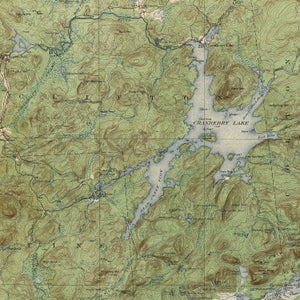
USGS Topographical Map: A detailed representation of a landscape, created by the United States Geological Survey, and a rare example of something every bit as beautiful as it is useful.
Swiss Army Knife: The world’s first consumer multitool, designed by cutler Karl Elsener with two blades, a screwdriver, and a can opener.


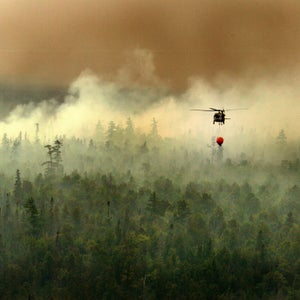
Gone are the days of rangers in fire lookout towers. Now, mountain-top cameras are being used to spot smoke and flames.
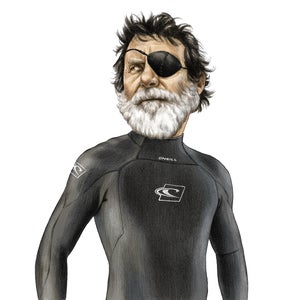
Jack O’Neill: A former commercial fisherman widely credited with inventing the neoprene wetsuit.
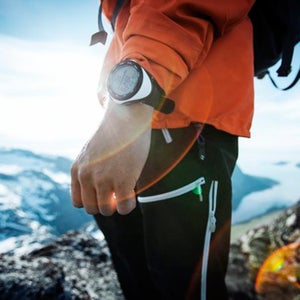

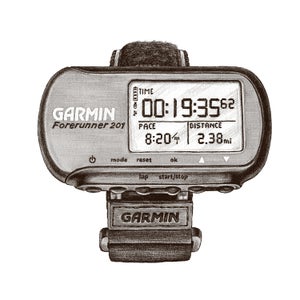
Garmin Forerunner 201: The world’s first all-in-one GPS-enabled running watch, released in 2003 by Kansas navigation company Garmin.